Ways to Increase Your Energy Levels Without Relying on Caffeine

I’m so tired of seeing “wellness influencers” claim that the secret to beating burnout is a $15 adaptogenic latte or a complicated seven-step morning ritual involving ice baths and sunrise meditation. Honestly, if I had the mental bandwidth to follow a twelve-step supplement regimen every morning, I probably wouldn’t be feeling this depleted in the first place. Most of these expensive hacks are just more noise in an already loud world, and frankly, they’re exhausting to even think about. We need to stop looking for magic potions and start looking at actual, sustainable natural ways to boost energy that don’t require a PhD in nutrition or a second mortgage.
I’m not here to sell you a lifestyle overhaul or a product you don’t need. Instead, I want to share the small, low-friction shifts I’ve integrated into my own life to keep me moving when my brain wants to shut down. We’re going to focus on realistic, science-backed adjustments—the kind of things you can actually do when you’re running on four hours of sleep and a looming deadline. No hype, no fluff; just a few reliable systems to help you reclaim your focus without making your life more complicated.
Small Dietary Habits for Sustained Energy That Actually Stick

I used to think “eating for energy” meant slamming a massive smoothie or a protein bar every time I felt a crash coming on. In reality, that just led to more spikes and drops. If you want to combat afternoon slump naturally, the trick isn’t about adding more caffeine; it’s about stabilizing your blood sugar so you aren’t fighting your own biology by 3:00 PM. I’ve found that pairing a complex carb with a fat or protein—like an apple with almond butter instead of just the apple—makes a massive difference in how steady I feel.
It’s also about being realistic about what you can actually prep. I don’t have the bandwidth for elaborate meal prepping every Sunday. Instead, I focus on keeping low-friction staples on hand, like Greek yogurt or pre-washed nuts. These are simple dietary habits for sustained energy that don’t require a burst of motivation to execute. When I’m exhausted, I don’t need a gourmet salad; I just need something that won’t leave me feeling like I need a nap twenty minutes later.
Nutrients That Increase Alertness When Youre Running on Empty
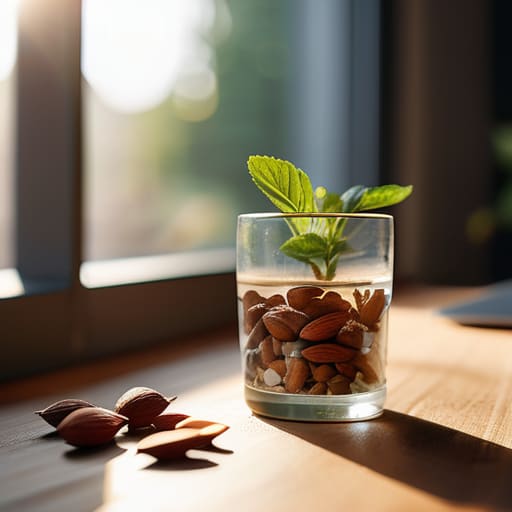
When I’m staring at my screen at 3:00 PM and my brain feels like it’s made of cotton wool, I try to avoid the immediate reflex of reaching for a third espresso. Caffeine is a quick fix, but it usually leads to a crash that makes the evening even harder. Instead, I’ve started looking at nutrients that increase alertness through more stable sources. Magnesium is a huge one for me; I’ve noticed that keeping my levels up helps with that jittery, wired-but-tired feeling. It’s less about a sudden jolt and more about supporting the body’s ability to function without constant external stimulation.
I also lean heavily on B vitamins when I know I have a long afternoon of meetings ahead. These aren’t “energy” in the way a sugar hit is, but they act more like the essential grease for your internal gears, helping your cells actually convert food into fuel. It’s a subtle shift, but focusing on these specific micronutrients is one of those small, effective ways to combat afternoon slump naturally without the inevitable caffeine-induced anxiety.
Low-Friction Habits for When You Can't Rely on Caffeine Alone
- Stop treating light like an afterthought. If you’re feeling that mid-afternoon slump, don’t just reach for another espresso; open the blinds or, better yet, step outside for five minutes. Getting actual sunlight in your eyes helps reset your circadian rhythm and tells your brain it’s not time to hibernate yet.
- Hydration isn’t just a wellness cliché; it’s a survival tactic. Most of the time when I feel “brain fog,” I’m actually just dehydrated. Keep a dedicated water bottle on your desk—not because you want to, but because it’s easier to sip mindlessly while you work than it is to remember to drink a full glass every hour.
- Try the “movement snack” approach. I don’t have the mental bandwidth for a 45-minute gym session when I’m already exhausted, so I do three minutes of stretching or a quick lap around the apartment. It’s not about fitness; it’s about getting blood moving to your brain so you stop feeling like a zombie.
- Audit your “decision fatigue.” If you find yourself crashing every afternoon, look at how much mental energy you’re wasting on tiny, useless choices. Pre-planning your outfit or your lunch the night before saves that precious cognitive energy for the things that actually require your focus.
- Implement a “digital sunset” for your nervous system. If you’re scrolling through high-stimulation content right up until you sleep, you aren’t actually resting. Even if you can’t do a full hour of reading, just putting the phone in another room 20 minutes before bed can make the difference between waking up refreshed or waking up groggy.
The Low-Effort Summary
Stop aiming for a perfect diet and just focus on steady blood sugar; it’s much easier to manage a snack habit than a complete pantry overhaul.
Treat nutrients like tools in a toolkit—when you feel that specific afternoon slump, use targeted things like magnesium or B vitamins rather than relying on another shot of espresso.
Build systems that work for your “tired self,” not your “motivated self,” by prepping the easy stuff before the exhaustion actually hits.
Finding Your Own Rhythm

At the end of the day, boosting your energy isn’t about a radical lifestyle overhaul or forcing yourself into a rigid, perfect routine. It’s really just about the small, cumulative shifts—like choosing a more stable snack to avoid that 3 PM crash or making sure you’re actually getting the micronutrients your brain needs to stay sharp. We’ve looked at how subtle dietary tweaks and specific nutrients can act as a safety net for those days when your willpower is low. The goal isn’t to become a high-performance machine; it’s to build a sustainable foundation so that you aren’t constantly fighting against your own biology just to get through your to-do list.
If you’re feeling overwhelmed by all of this, please don’t try to implement everything at once. Pick just one thing—maybe it’s a better breakfast or a consistent water intake—and see how it feels for a week. Real progress is messy, and some days you’re going to rely on caffeine more than you’d like to admit, and that’s okay. Focus on small, repeatable wins that make your life feel slightly more manageable. You don’t need to optimize every second of your existence; you just need enough fuel to show up for the parts of your life that actually matter.
Frequently Asked Questions
How do I tell the difference between being genuinely hungry and just experiencing a mid-afternoon energy slump?
I used to mistake every 3:00 PM brain fog for a craving for something sweet. Now, I use a quick two-step check. First, I drink a full glass of water and wait ten minutes; dehydration often masquerades as hunger. If that doesn’t work, I ask myself if I’d eat a plain apple or some Greek yogurt. If the answer is “no, I just want chips,” it’s a slump, not hunger.
Are there specific times of day when I should avoid certain foods to prevent that heavy, post-lunch crash?
Honestly, the timing is just as important as the food itself. I used to hit that 2:00 PM wall hard because I’d grab a heavy, carb-loaded lunch right in the middle of my workday. Now, I try to avoid heavy pastas or sugary treats during my peak focus hours. If you’re eating a bigger meal, try to do it later in the evening or during a slower part of your day when you don’t need to be “on.”
If I'm already drinking a lot of coffee, will adding more nutrients actually help, or am I just masking the problem?
Honestly? If you’re already leaning heavily on caffeine, adding more nutrients isn’t a magic fix, but it is the difference between a temporary spike and actual stability. Caffeine is basically a high-interest loan on your energy; it borrows from later in the day. Nutrients like B vitamins or magnesium are more like a steady savings account. They won’t give you that jittery rush, but they stop the inevitable crash from hitting quite so hard.


I believe that life doesn't need to be optimized to perfection, just made slightly more manageable. My goal is to help you find systems that actually work when you're tired, not just when you're motivated. Let's focus on small, repeatable wins that clear the path for what actually matters.