Your Essential Seasonal Home Maintenance Guide

I used to think that seasonal home maintenance meant spending every long weekend at a big-box hardware store, staring blankly at a wall of expensive tools I didn’t know how to use. I’d see those massive, twenty-page checklists online and immediately feel that familiar wave of decision paralysis—the kind that makes you want to just close the laptop and ignore the leaking faucet entirely. We’ve been sold this idea that keeping a home running requires a Herculean effort or a professional crew on speed dial, but honestly? That’s just a recipe for burnout.
I’m not here to give you a daunting manual or suggest you overhaul your entire life every time the leaves change. Instead, I want to share the low-friction systems I actually use to keep my place from falling apart without sacrificing my sanity. We’re going to focus on a few manageable, repeatable wins that tackle the essentials of seasonal home maintenance before they turn into expensive headaches. My goal is to help you keep your space functional and calm, even on the days when you have absolutely zero motivation to be a DIY expert.
Low Energy Preventative Home Care Tips for Busy Days

On those days when your brain feels like it has too many tabs open, don’t even think about tackling a full annual property inspection checklist. That’s a recipe for burnout. Instead, I focus on what I call “micro-maintenance”—tasks that take ten minutes but prevent massive headaches later. For me, this usually means a quick walk around the perimeter of the apartment or house just to check for anything obvious, like a loose screen or a damp patch near the foundation. These tiny exterior home maintenance tasks are much easier to handle when you aren’t staring down a massive, daunting project.
If you’re feeling particularly drained, just focus on your immediate environment. Sometimes, improving indoor air quality seasonal upkeep is as simple as swapping out a dusty HVAC filter or cleaning a single vent. It’s not about a deep clean; it’s about removing the friction that makes your living space feel heavy. If you can only manage one thing, pick something that requires zero heavy lifting. The goal isn’t to be a DIY expert; it’s just to keep your space from feeling like it’s slowly working against you.
Small Wins for Your Annual Property Inspection Checklist
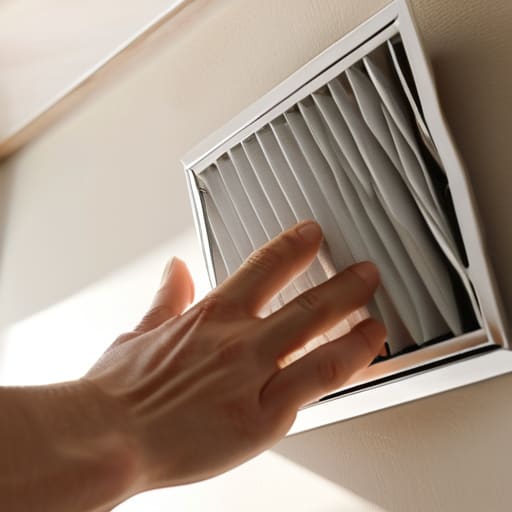
I know, “annual inspection” sounds like a massive, daunting project that requires a whole weekend and a clipboard. But if you treat it like a single, overwhelming event, you’ll probably just avoid it until something actually breaks. Instead, I like to break my annual property inspection checklist down into bite-sized chunks that I can tackle over a few different Saturdays. It’s much easier to check the HVAC filters or test the smoke detectors when you aren’t also trying to figure out why the gutters are overflowing.
When I’m looking at my list, I prioritize the stuff that prevents expensive disasters later. For me, that means checking the seals around windows for drafts or looking for any signs of moisture in the basement. These little exterior home maintenance tasks might seem tedious, but they are the difference between a quick fix and a massive repair bill. If you can just commit to one small area of the house each month, you’ll realize that keeping things running smoothly doesn’t have to be a full-time job.
Five Low-Stakes Tasks to Keep Your Space from Falling Apart
- Check your filters before you forget. Whether it’s the HVAC or the range hood, swapping out a dirty filter takes three minutes and prevents that weird, dusty smell from taking over your living room.
- Do a quick walk-around of your exterior. You don’t need a full inspection; just look for anything that looks “off”—a loose gutter, a cracked tile, or a weirdly damp patch near the foundation. Catching it now is way easier than dealing with a leak in November.
- Test your smoke and carbon monoxide detectors. I keep a small reminder in my physical planner for this every time the clocks change. It’s one of those “set it and forget it” tasks that actually matters.
- Clear out the drains. If you notice water pooling a little slower than usual in the sink, don’t ignore it. A quick flush with some hot water and a drain cleaner now saves you from a literal headache (and a plumber’s bill) later.
- Inspect your seals. Take a second to run your hand along the windows and door frames. If you feel a draft, it’s time for some cheap weatherstripping. It’s a tiny fix that keeps your energy bills from spiking for no reason.
The Bottom Line
Stop aiming for a perfect “deep clean” or a total home overhaul; focus on the small, repetitive tasks that prevent expensive, high-stress emergencies later.
Build your maintenance schedule around your actual energy levels, not just your calendar, so you don’t abandon your systems the moment you have a busy week at work.
Think of home care as a way to reduce future friction, making your living space a place that supports your routine rather than adding to your mental load.
Keeping the Momentum Without the Burnout
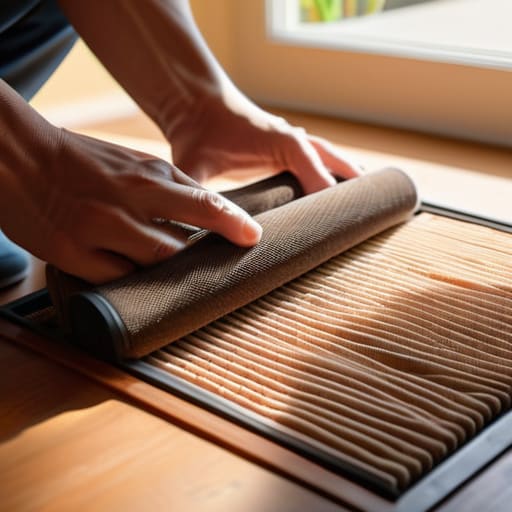
At the end of the day, seasonal maintenance isn’t about achieving some impossible standard of a “perfect” home; it’s about preventing those tiny, expensive headaches from snowballing into disasters. Whether you’re just checking your filters, clearing a single drain, or ticking off one item on your annual inspection list, you’re doing the work to keep your environment stable. Remember, the goal is to find those low-energy wins that fit into your actual life, not a hypothetical version of yourself that has endless free time. If you can only manage one small task this weekend, take that win and call it a day.
I know how easy it is to look at a long list of home repairs and feel immediately paralyzed, especially when you’re already drained from work or life. But your home should be a place that supports you, not another source of mental clutter. By building these small, repeatable habits, you’re essentially clearing the path so that when you finally sit down to relax, you aren’t distracted by the sound of a rattling vent or the stress of a looming task. Focus on making your space a little more manageable, one small step at a time, and let the rest go.
Frequently Asked Questions
How do I figure out which tasks are actually urgent versus just things I feel like I "should" do?
I use a simple “Cost of Inaction” filter. When a task pops up, I ask: If I ignore this for a month, will it cost me more money, more time, or more stress later?
I live in an apartment—are there any seasonal maintenance things I should still be keeping an eye on?
Even in an apartment, you aren’t off the hook—you just have different levers to pull. Since you don’t own the roof, focus on the stuff that affects your immediate space. Keep an eye on your HVAC filters (don’t let them get crusty), check your window seals for drafts when the seasons shift, and make sure your drains aren’t slowing down. It’s mostly about preventing those annoying, unexpected “emergency” calls to your landlord.
What’s the best way to track all these tasks without it becoming another overwhelming project on my to-do list?
Honestly, don’t overcomplicate it with a fancy project management tool. I used to try that, but it just felt like more work. Now, I stick to two things: my physical pocket planner for immediate “do it now” tasks and a simple, recurring calendar invite for the big stuff. Set a monthly alert on your phone for “Home Check-in” and keep it vague. If it’s on the calendar, it exists; if it’s not, let it go.


I believe that life doesn't need to be optimized to perfection, just made slightly more manageable. My goal is to help you find systems that actually work when you're tired, not just when you're motivated. Let's focus on small, repeatable wins that clear the path for what actually matters.