Ways to Cut Back on Sugar Without Feeling Restricted

I was sitting at my desk last Tuesday, staring at a half-eaten granola bar and feeling that familiar, aggressive afternoon slump, when it hit me: I’m not actually hungry, I’m just crashing. Most “wellness” influencers would tell you that the solution is a complete pantry purge or a grueling, expensive juice cleanse, but honestly? That sounds exhausting and, frankly, unsustainable. I don’t have the bandwidth for a lifestyle overhaul every time I feel a bit sluggish. If you’re looking for a radical, overnight transformation, you’re in the wrong place. I just want to figure out how to reduce sugar without making my entire life feel like a chore or a deprivation experiment.
I’m not here to preach perfection or sell you on some impossible standard of “clean eating.” Instead, I want to share the small, tactical shifts that actually stick when you’re tired, stressed, or running on four hours of sleep. We’re going to focus on low-stakes swaps and realistic systems that work in a real, messy life. My goal is to help you find a way to cut back that feels manageable, not like another massive project on your to-do list.
Spotting Hidden Sugars in Processed Foods Without the Stress

The biggest hurdle isn’t usually the obvious stuff—like the bowl of cereal or a pastry—it’s the stuff hiding in plain sight. I used to think I was being “good” because I wasn’t eating dessert, only to realize my “healthy” yogurt was basically a liquid candy bar. The trick to reading nutrition labels for sugar isn’t about memorizing every chemical compound; it’s about looking for the aliases. If you see words ending in “-ose”—like maltose or dextrose—or even just “syrup,” your internal alarm should go off.
You don’t need to become a chemist to get this right. I’ve found that if a label lists sugar in the first three ingredients, it’s probably not worth the energy. Instead of stressing over every single gram, just try to identify the consistent offenders in your pantry. Once you start noticing these patterns, you’ll realize how much easier managing blood sugar spikes becomes when you aren’t accidentally fueling them with “savory” pasta sauces or salad dressings that are secretly loaded with sweeteners. It’s less about policing yourself and more about just knowing what you’re actually putting in your cart.
Managing Blood Sugar Spikes When Youre Feeling Exhausted
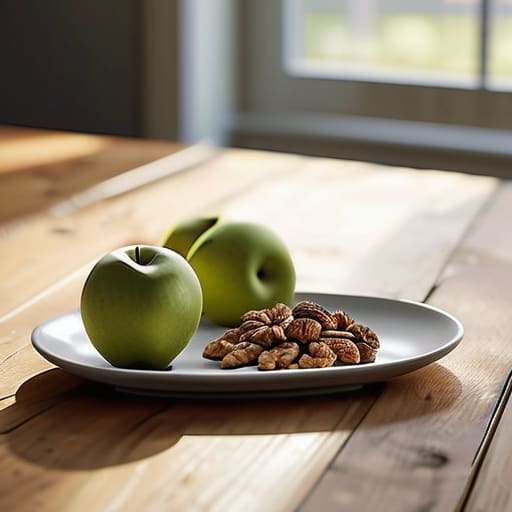
We’ve all been there: it’s 4:00 PM, your brain feels like it’s made of cotton wool, and that vending machine granola bar looks like a lifeline. When you’re running on empty, your instinct is to grab whatever provides an immediate hit of energy. The problem is that these quick fixes often lead to a massive crash an hour later, making the exhaustion even worse. Instead of fighting the craving with pure willpower—which rarely works when you’re drained—focus on managing blood sugar spikes by pairing your carbs with something substantial.
If you absolutely need something sweet, try to steer toward low glycemic index foods like berries or a handful of nuts. These take longer to digest, meaning you won’t get that jagged rollercoaster of energy. I’ve found that if I’m too tired to prep a real meal, even just adding a bit of protein or healthy fat to a snack can make a huge difference. It’s not about being perfect or following a rigid diet; it’s just about stabilizing your energy so you don’t end up completely wiped out by dinner time.
Low-Stakes Swaps for When You’re Too Tired to Be Perfect
- Don’t try to cut everything at once; just pick one thing, like your morning coffee or your afternoon soda, and try to find a lower-sugar alternative for that specific moment.
- Keep “emergency” snacks that aren’t pure sugar in your desk or bag—think almonds or a protein bar—so you don’t reach for the vending machine when your energy crashes at 3 PM.
- Instead of buying “low-fat” versions of yogurt or dressings (which are usually just sugar in disguise to make up for the lost flavor), stick to the full-fat versions and just eat smaller portions.
- If you’re craving something sweet after dinner, try a ritual that isn’t food-based, like a quick herbal tea or even just brushing your teeth, to signal to your brain that the eating window is closed.
- When you do have a sugary treat, don’t let it spiral into a “well, the day is ruined” mindset; just eat it, enjoy it, and move on to your next regular meal without the guilt trip.
The Low-Stress Summary
Don’t aim for a total pantry purge; just start by swapping one high-sugar snack for something more stable when you’re too tired to cook a real meal.
Focus on reading labels for the “hidden” stuff, but don’t let it turn into an obsession that ruins your grocery trip—just look for the obvious culprits.
Prioritize consistency over perfection by finding small, repeatable wins that keep your energy steady rather than trying to overhaul your entire diet overnight.
Making It Stick

At the end of the day, cutting back on sugar isn’t about achieving some impossible standard of dietary purity. It’s really just about being a little more intentional with what you put in your cart and how you handle those inevitable energy crashes. Whether you’re learning to spot the sneaky syrups in your favorite salad dressing or choosing a handful of nuts over a granola bar when your brain feels foggy, these small adjustments add up. You don’t need to overhaul your entire pantry overnight; you just need to find a few low-friction swaps that fit into your actual, messy, busy life. Focus on the wins you can actually maintain when you’re too tired to be perfect.
Please, be kind to yourself if you have a day where everything goes sideways and you end up eating a sleeve of cookies. I’ve been there more times than I care to admit, especially during high-stress work weeks. The goal isn’t to never eat sugar again; the goal is to stop sugar from being the thing that dictates your energy levels. If you can make even one better choice today, you’re winning. We’re just looking for sustainable progress, not perfection. Take it one meal at a time, and let the rest of the noise fade into the background.
Frequently Asked Questions
What do I do when the sugar cravings actually hit in the middle of the afternoon?
When that 3:00 PM crash hits and your brain is screaming for something sweet, don’t try to white-knuckle it with pure willpower. That’s how I end up eating a bag of gummy bears. Instead, try the “protein first” rule. Grab a handful of almonds or some Greek yogurt. If you absolutely need the sugar, pair it with something substantial—like an apple with peanut butter. It slows the spike and keeps you from crashing again in twenty minutes.
Is it worth trying to cut out fruit, or is that just adding unnecessary stress?
Honestly? Cutting out fruit feels like unnecessary stress to me. If I tried to eliminate everything that tasted good, I’d probably give up on my health goals within a week. Fruit has fiber and nutrients that actually help steady you. Instead of a total ban, I just try to be intentional. If I’m feeling a massive crash, I’ll grab a handful of berries instead of a juice. Keep the fruit; just ditch the added stuff.
How do I handle social situations, like dinners or drinks, without feeling like the "difficult" one?
Look, I get it. You don’t want to be the person making a scene or acting like a dietary martyr at a dinner party. My trick is to decide my plan before I arrive. If I’m going out, I eat a small, protein-heavy snack beforehand so I’m not ravenous. When ordering, I just look for the easiest swap—like soda with lime instead of a cocktail—and move on. No big announcement, no fuss, just low-stakes management.


I believe that life doesn't need to be optimized to perfection, just made slightly more manageable. My goal is to help you find systems that actually work when you're tired, not just when you're motivated. Let's focus on small, repeatable wins that clear the path for what actually matters.