The Science Behind Gratitude and How to Start Practicing It

I used to think that learning how to practice gratitude required these elaborate, aesthetic morning rituals—you know, the ones involving expensive linen journals, sunrise meditation, and writing three pages of profound revelations before your coffee even gets warm. Honestly? That kind of performative wellness felt like just another task on my already overflowing to-do list. When I was drowning in back-to-back Zoom calls and trying to keep my indoor jungle from dying, the idea of a “gratitude practice” felt less like a mental health hack and more like a chore I was failing at.
I’m not here to sell you on a lifestyle overhaul or a way to force positivity when life is actually being difficult. Instead, I want to share the low-friction, slightly messy systems I actually use to stay grounded when things get chaotic. We’re going to skip the fluff and focus on small, repeatable wins—the kind of practical methods that work even on the days when you’re too exhausted to care. This isn’t about toxic positivity; it’s about finding manageable ways to notice the good stuff without adding more stress to your plate.
Benefits of Gratitude Journaling When You Lack Energy

When you’re running on empty, the last thing you need is another “self-improvement” chore. But the real benefits of gratitude journaling aren’t about achieving some higher state of enlightenment; they’re about survival. When my brain feels like it has too many tabs open, focusing on one small win acts like a circuit breaker. It doesn’t fix the chaos, but it stops the downward spiral of “everything is going wrong” by forcing a tiny, momentary pivot toward something that actually worked.
Instead of trying to tackle complex daily mindfulness exercises that require sitting still for twenty minutes, think of this as a low-stakes mental reset. It’s about reducing the cognitive load of negativity. When you’re exhausted, your brain naturally gravitates toward every minor inconvenience—the broken coffee maker, the delayed email, the rain. Writing down one decent thing helps interrupt that loop. It’s not about toxic positivity; it’s just about proving to yourself that your entire day wasn’t a total wash.
Gratitude Meditation for Beginners Who Hate Sitting Still
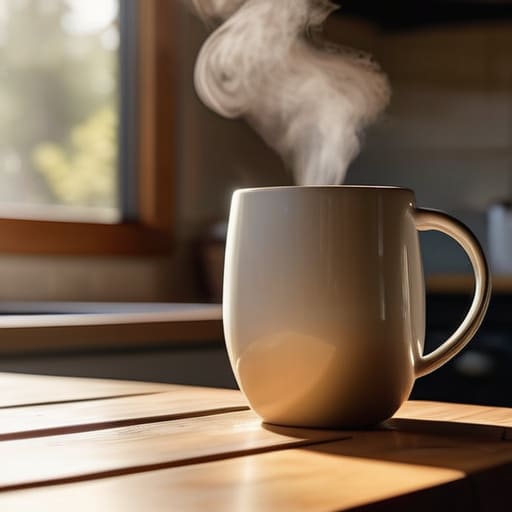
If the idea of sitting cross-legged on a floor for twenty minutes makes you want to scream, please know that I am right there with you. My brain doesn’t do “stillness” well, especially after a day of back-to-back Zoom calls. The good news is that gratitude meditation for beginners doesn’t have to look like a silent retreat. You can actually practice while you’re doing something else—like folding laundry, walking the dog, or even waiting for your coffee to brew.
Instead of trying to clear your mind, just try to anchor your attention to a single sensory detail you’re thankful for in that moment. It might be the warmth of your mug or the way the light is hitting your plants. This is one of those low-stakes daily mindfulness exercises that actually sticks because it doesn’t require extra time in your schedule. You aren’t trying to reach enlightenment; you’re just training your brain to notice the small, functional wins that happen throughout the day. It’s about cultivating a thankful mindset through movement, rather than forcing yourself into a seated position that just makes you feel restless.
Low-Stakes Ways to Actually Feel Grateful (Without the Effort)
- Keep a “one-line” list on your phone. Forget the long-form journaling that feels like homework; just open a blank note and jot down one thing that didn’t suck today—like a decent cup of coffee or catching all green lights.
- Use your existing habits as triggers. If you always check your physical planner in the morning, write one tiny win from yesterday in the margin. It connects the gratitude to a routine you’re already doing.
- Practice “micro-gratitude” during transitions. While your coffee is brewing or your computer is running an update, find one thing in your immediate surroundings that’s working well. It’s a 30-second mental reset that doesn’t require a meditation cushion.
- Curate your digital space. If scrolling through social media makes you feel like you’re failing at life, hit unfollow on the accounts that trigger comparison. Gratitude is a lot harder when you’re constantly measuring yourself against someone else’s highlight reel.
- Focus on sensory wins. When you’re too mentally drained to think about “big picture” blessings, just lean into the physical. The feeling of a clean keyboard, the smell of rain, or a soft blanket—these are small, tangible anchors that don’t require deep philosophical thought.
The Bottom Line: Making it Stick Without the Burnout
Forget the aesthetic journals and the hour-long sessions; if you can only manage a single sentence in your phone’s notes app, that counts as a win.
Aim for “low-friction” habits—pick a moment you’re already doing something, like waiting for your coffee to brew, to acknowledge one thing that went right.
Be kind to yourself on the bad days; gratitude isn’t about ignoring the chaos, it’s just about finding one tiny, manageable thing to hold onto when everything feels heavy.
Finding Your Own Rhythm
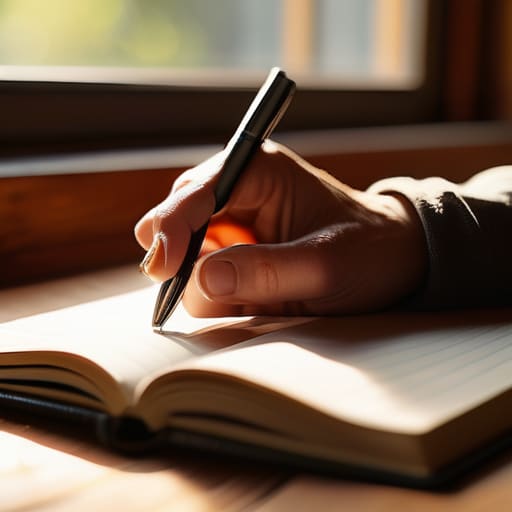
At the end of the day, gratitude doesn’t have to look like a curated, aesthetic spread in a leather-bound journal or a twenty-minute silent meditation. Whether you’re scribbling a single sentence in your pocket planner during a coffee break, or just acknowledging that your morning commute wasn’t a total disaster, the goal is the same: to build a low-friction habit that survives your worst days. We’ve looked at how journaling can help when your brain feels like mush and how movement-based meditation works for those of us who can’t sit still. The point isn’t to do these things perfectly; it’s to find the version that actually sticks when you’re too exhausted to care about self-improvement.
Please, don’t turn this into another chore on your never-ending to-do list. If you miss a day, or even a week, just start again whenever you remember. Life is messy, and some days are just about getting through the pile of laundry or the overflowing inbox. Gratitude is just a tool to help you navigate that mess, not another metric you have to master. Focus on the small, repeatable wins that make the heavy days feel just a little bit lighter. You don’t need to change your whole life; you just need to find a way to notice the good bits when they happen.
Frequently Asked Questions
What do I do when I'm having a genuinely terrible day and nothing feels worth being grateful for?
Look, I get it. Some days are just heavy, and trying to “find the silver lining” feels patronizing and exhausting. When everything sucks, don’t force a gratitude list. Instead, pivot to radical neutrality. Don’t look for things to love; just look for things that didn’t actively make the day worse. Maybe the coffee was hot, or your charger actually worked. If that’s all you’ve got, that’s enough. Just aim for “not terrible.”
Do I actually need to write things down, or does just thinking about them count?
Honestly? Thinking about it counts, but writing it down is the cheat code. When I’m just thinking, my brain tends to wander or skip over the good stuff as soon as the next stressor hits. Putting it on paper—or even just a quick note in my phone—forces a tiny bit of friction that actually makes the moment stick. It turns a fleeting thought into a tangible win you can actually look back on.
How do I make this a habit without it feeling like just another chore on my to-do list?
The trick is to stop treating it like a “task” and start treating it like a way to close a loop. Don’t aim for a grand ritual; just tie it to something you’re already doing. I do mine while my morning coffee is brewing or right after I close my laptop for the day. If you make it a tiny, mindless appendage to an existing habit, it stops feeling like work and starts feeling like a reset.


I believe that life doesn't need to be optimized to perfection, just made slightly more manageable. My goal is to help you find systems that actually work when you're tired, not just when you're motivated. Let's focus on small, repeatable wins that clear the path for what actually matters.