Unkillable Houseplants for the Absolute Black Thumb
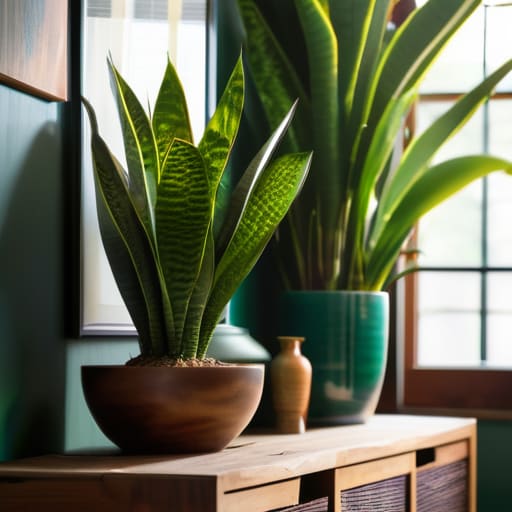
I used to think that having a “green thumb” was some sort of mystical, innate talent you were either born with or you weren’t. I spent way too much money on these gorgeous, temperamental Fiddle Leaf Figs that basically staged a protest death the second I looked at them wrong, leaving me with nothing but empty ceramic pots and a sense of failure. If you’re currently scrolling through endless Pinterest boards feeling like you’re fundamentally incapable of keeping something alive, stop. Most of the advice out there makes houseplants for beginners sound like a high-stakes science experiment, but honestly? It’s usually just a lot of unnecessary gatekeeping and expensive mistakes.
I’m not here to tell you how to build a tropical jungle or master the art of soil pH levels. My goal is much simpler: I want to help you pick a few resilient, low-maintenance plants that can survive your busiest weeks and your most forgetful moments. We’re going to focus on the greenery that actually fits into a real, slightly chaotic life, rather than the ones that require a PhD and a daily ritual to stay upright. Let’s find you some wins that don’t require extra work.
Hard to Kill Houseplants for Your Real Life
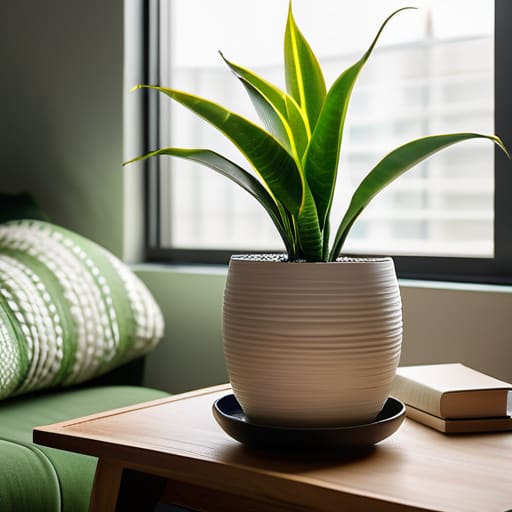
If you’re anything like me, your idea of a perfect weekend involves catching up on sleep or finally organizing that one junk drawer, not obsessively misting leaves with a spray bottle. You need hard to kill houseplants that can handle a little neglect. My absolute go-to is the Snake Plant. It’s practically indestructible; you can forget about it for two weeks, and it’ll still look perfectly fine. It’s also one of the best plants for low light, making it ideal if your apartment doesn’t get a ton of direct sun.
Then there’s the Pothos. I call this my “set it and forget it” vine. It grows quickly, looks great trailing off a bookshelf, and actually tells you when it’s thirsty by slightly wilting. It’s one of those low maintenance indoor plants that rewards you for just existing. If you follow a simple houseplant watering guide—basically just checking the soil once a week—you’ll realize that keeping things green doesn’t have to be another chore on your to-do list. Just pick one, put it in a pot, and let it do its thing.
Best Plants for Low Light and Lazy Days
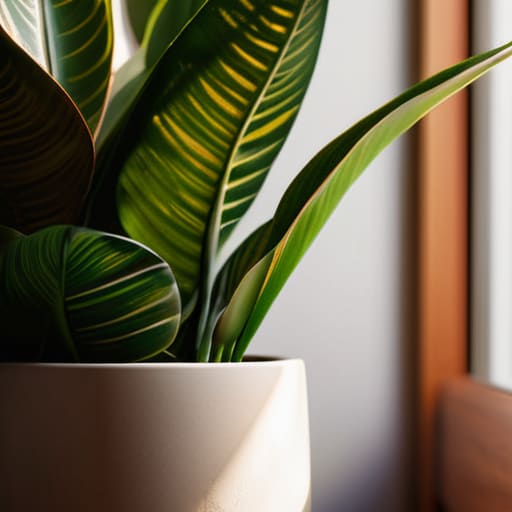
If your apartment feels more like a cave than a sunroom, don’t panic. I used to think I had a “black thumb” just because my succulents kept shriveling up in my dim studio, but I realized I was just giving them the wrong environment. The secret to finding the best plants for low light isn’t about forcing a sun-lover to survive in a corner; it’s about picking species that actually thrive in the shadows.
The ZZ plant is my absolute gold standard for these situations. It has these waxy, deep green leaves that look polished, but honestly, it’s one of those truly hard to kill houseplants that thrives on neglect. You can practically forget it exists for three weeks and it won’t even blink. If you want something with a bit more trailing movement, go for a Pothos. It’s the ultimate piece of beginner friendly greenery because it literally tells you when it’s thirsty by wilting slightly, then bounces right back once you give it a drink. It’s a low-stakes way to bring some life into those darker corners without adding more stress to your plate.
How to Not Kill Your New Green Friends
- Stop treating watering like a scheduled chore. Most people kill plants by overwatering them on a set day every week; instead, stick your finger in the soil first. If it’s still damp, walk away.
- Don’t go overboard with the fancy pots right away. Those decorative ceramic containers usually don’t have drainage holes, which is basically a death sentence for roots. Stick to the plastic nursery pots they came in and just drop them into a cute cover.
- Accept that some leaves are going to turn yellow. It’s not always a crisis. Plants are living things, and sometimes they just shed an old leaf to make room for new growth. Don’t panic and start dumping fertilizer on it immediately.
- Group your plants together if you can. It creates a little micro-climate that helps keep the humidity up, which is a massive help for tropical varieties without you having to buy a pricey humidifier.
- Buy the plant for your space, not for the aesthetic. If your apartment is a cave, don’t buy a sun-loving succulent just because it looks good on a desk. Match the plant to your actual lighting, or you’ll just end up with a very expensive pile of compost.
The Low-Stress Plant Cheat Sheet
Don’t overthink the “perfect” setup; just pick a plant that matches your actual lifestyle, not the lifestyle you wish you had.
When in doubt, go for low-light survivors like snake plants—they’re much more forgiving when you inevitably forget a watering session.
Focus on consistency over perfection; a little bit of regular care is better than a sudden, overwhelming attempt to become a master gardener.
Start Small, Grow Slowly
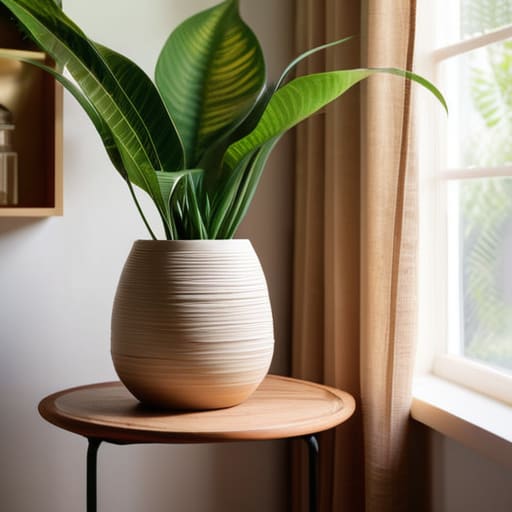
At the end of the day, don’t feel like you need to transform your entire apartment into a literal jungle overnight. Whether you’re opting for a sturdy snake plant that thrives on neglect or a low-light pothos that can handle a dim corner, the goal is simply to add a little bit of life to your space without adding a massive amount of unnecessary mental load. Stick to the low-maintenance options we talked about, find a rhythm that works for your schedule, and remember that perfection isn’t the point. If you forget to water something once or twice, it’s not a failure; it’s just part of the learning curve.
I used to think that having plants meant I had to be this incredibly disciplined, “green-thumbed” person, but I’ve realized that plants actually thrive when we stop overthinking them. They are just living things, much like us, that need a little bit of consistency and a lot of grace. Focus on those small, repeatable wins—like noticing a new leaf or finally remembering your watering schedule—and let the rest take care of itself. You don’t need to be a master gardener to enjoy a bit of greenery; you just need to start where you are and let your space grow along with you.
Frequently Asked Questions
How do I actually know if I'm overwatering or if the plant just needs more light?
Honestly, the guesswork is the worst part. If you’re staring at a yellowing leaf, check the soil first. Stick your finger an inch deep; if it’s soggy, stop watering—you’re likely drowning it. If the soil is bone-dry but the plant looks limp, it needs a drink. But if the leaves are stretching out or looking pale and “leggy,” that’s your plant begging for more sunlight. Trust the soil, not the schedule.
Do I really need to buy all those fancy pots and specialized soil right away?
Honestly? No. Please don’t. I see people drop fifty bucks on a designer ceramic pot and “premium” soil before they’ve even kept a succulent alive for a month. It’s a trap. Just use a cheap plastic nursery pot for now—they actually hold moisture better anyway. If you want to upgrade later, great. For now, focus on the plant, not the aesthetic. Save your money for more plants.
What's the easiest way to deal with those tiny annoying bugs that seem to show up out of nowhere?
Ugh, the tiny gnats. They always seem to appear right when you’ve finally settled in for the evening. Honestly, don’t go buying a dozen expensive chemical sprays; it’s usually just overwatering. The easiest fix is letting your soil dry out completely between waterings—it starves them. If they’re really driving you nuts, grab some yellow sticky traps. They’re cheap, they work, and they handle the adults so you can stop thinking about them.


I believe that life doesn't need to be optimized to perfection, just made slightly more manageable. My goal is to help you find systems that actually work when you're tired, not just when you're motivated. Let's focus on small, repeatable wins that clear the path for what actually matters.