Staying Productive and Mentally Healthy While Working Remotely
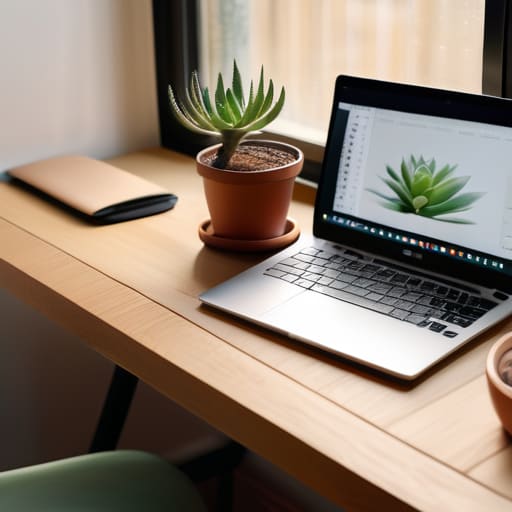
I’m so tired of seeing those “aesthetic” desk setups on social media—the ones with the perfectly curated succulents, $300 mechanical keyboards, and minimalist white desks that look like nobody actually works there. If you’re looking for high-level productivity hacks that require a complete life overhaul and a massive budget, you’re in the wrong place. Most of the remote work tips I see online feel like they were written by people who have never actually had to attend a Zoom call while their neighbor is running a leaf blower or their laundry is screaming to be folded. Real life is messy, and your workspace shouldn’t have to be a museum to be effective.
I’m not here to sell you on a “perfect” morning routine that takes three hours to complete. Instead, I want to share the low-friction systems I’ve actually used to keep my sanity while managing operations from my living room. We’re going to focus on small, repeatable wins—the kind of practical remote work tips that actually hold up when you’re exhausted, unmotivated, or just plain overwhelmed. Let’s find a way to make your workday feel slightly more manageable without the unnecessary fluff.
Low Energy Home Office Setup Ideas That Actually Work
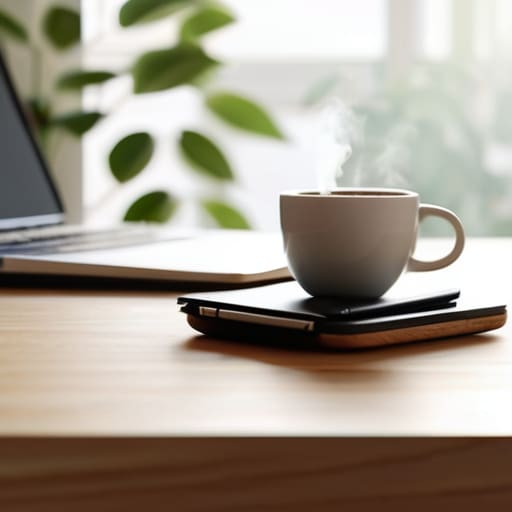
When I’m running on empty, the last thing I want to do is fight against a cluttered or uncomfortable desk. I’ve learned that my environment dictates my capacity for focus, so I’ve leaned into a few home office setup ideas that require zero mental effort to maintain. Instead of trying to curate a Pinterest-perfect workspace, I keep a “low-friction” station. This means having my charger, a coaster, and my physical planner exactly where they need to be so I don’t have to hunt for them when my brain feels foggy.
If you’re feeling the slump, don’t try to overhaul your entire room. Just focus on sensory comfort. I find that switching to a warmer lamp instead of the harsh overhead light or keeping a specific “work-only” candle nearby helps signal to my brain that it’s time to settle in, even if I’m exhausted. These small tweaks are essential for avoiding burnout while working remotely because they make the transition into “work mode” feel less like a chore and more like a gentle shift in atmosphere.
Small Wins Remote Work Productivity Hacks for Tired Days
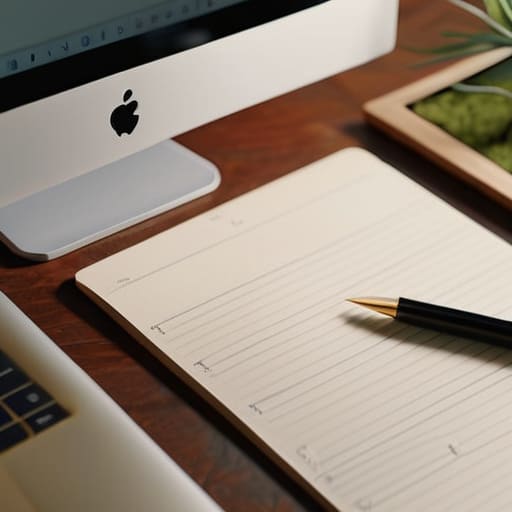
On the days when my brain feels like it’s running on a low battery, I stop trying to tackle the big, scary projects. Instead, I pivot to “micro-tasking.” This is one of my favorite remote work productivity hacks: I make a list of things that take ten minutes or less—answering a quick Slack thread, filing an expense report, or clearing my desktop icons. There is something deeply satisfying about checking off three or four tiny items when you don’t have the mental bandwidth for a deep dive. It builds just enough momentum to keep you from feeling like you’ve completely stalled out.
I also rely heavily on the “one-tab rule” when I’m struggling to focus. When I feel that familiar fog rolling in, I close every single browser tab except for the one I actually need for my current task. It reduces the visual noise and helps with avoiding burnout while working remotely by preventing that feeling of being constantly pulled in ten different directions. If I can’t do the big stuff, I’ll just do the small, necessary things. It’s not about being a superstar; it’s just about keeping the gears turning.
Five ways to stop your home office from draining your battery
- Stop trying to “dress up” for Zoom. If a full outfit feels like too much, just commit to one thing—like a clean shirt or even just putting on real shoes. It sounds silly, but it creates a mental boundary between “sleep mode” and “work mode” without the effort of a full wardrobe change.
- Use a “closing ceremony” to end your day. When I’m remote, the lines between my living room and my office get blurry. I spend five minutes clearing my desk and physically closing my laptop. It’s a signal to my brain that the workday is officially over and I’m allowed to relax.
- Don’t rely on your brain to remember everything. My physical planner is my lifeline. If a task pops into my head while I’m making coffee, I write it down immediately. If it’s not on paper, it’s just going to loop in my head and cause low-level anxiety all morning.
- Create a “low-stakes” notification rule. If you’re feeling overwhelmed, turn off every single non-essential ping. You don’t need to see every Slack message or email the second it hits your inbox. Check them on your own terms, in batches, so you aren’t constantly reacting to digital noise.
- Manage your lighting, not just your view. If you’re staring at a screen in a dark room, you’re going to feel sluggish by 2:00 PM. You don’t need a professional studio setup; just making sure there’s some natural light or a warm lamp nearby can stop that mid-afternoon brain fog from hitting quite so hard.
The Bottom Line
Stop aiming for a “perfect” workday; focus on building low-friction systems that still function when your energy levels hit zero.
Small, repeatable wins—like a clean desk or a single focused task—are more sustainable than trying to force high-intensity productivity every single day.
Your environment should work for you, not against you, so prioritize comfort and accessibility over a Pinterest-perfect aesthetic.
Finding Your Rhythm

At the end of the day, remote work isn’t about mastering a complex time-blocking system or having a Pinterest-perfect desk setup. It’s really just about building a collection of small, low-friction habits that support you when your energy dips. Whether it’s adjusting your lighting to save your eyes or giving yourself permission to use a “low-energy” task list when you’re feeling burnt out, these little shifts add up. You don’t need to overhaul your entire life to see a difference; you just need to make your environment work for you, rather than against you.
Please remember that some days are going to be productive, and some days are just about keeping your head above water. Both are okay. My goal isn’t to help you become a productivity robot, but to help you reclaim a little bit of peace in the middle of the digital noise. Don’t get discouraged if a new system fails after three days—just tweak it, simplify it, and try again. Focus on the small, repeatable wins that make your workday feel slightly more manageable, and let the rest fall into place. You’ve got this.
Frequently Asked Questions
How do I stop my work life from bleeding into my personal time when my desk is only a few feet from my bed?
The “visual cue” method is my lifesaver here. Since I can’t move my desk, I move my focus. When the clock hits 5:00, I physically cover my monitor with a decorative cloth or even just close my laptop and put it in a drawer. If I can see my workspace from my pillow, my brain stays in “work mode.” Hide the tools of the trade so your bedroom can actually feel like a sanctuary again.
What are some ways to stay connected with my team without feeling like I'm stuck in back-to-back Zoom calls all day?
I’ve learned the hard way that “connection” shouldn’t be synonymous with “video fatigue.” Instead of more meetings, I’ve started leaning into asynchronous check-ins. Try using a dedicated Slack channel for non-work wins or quick voice notes for updates—it keeps the human element alive without the screen glare. Even a quick, scheduled “coffee chat” via text can bridge the gap. It’s about meaningful touchpoints, not just more pixels on a screen.
How can I keep a consistent routine when my environment is constantly full of household distractions?
Honestly, stop trying to fight the chaos. If you’re working in a shared space, you can’t rely on silence to get things done. Instead, build “sensory boundaries.” Get a pair of decent noise-canceling headphones—even if you aren’t playing music—and use a physical signal, like a specific desk lamp, to tell your household you’re “in the zone.” It’s not about a perfect, quiet environment; it’s about creating a predictable bubble within the mess.


I believe that life doesn't need to be optimized to perfection, just made slightly more manageable. My goal is to help you find systems that actually work when you're tired, not just when you're motivated. Let's focus on small, repeatable wins that clear the path for what actually matters.