How to Design a Productive Home Office You’ll Enjoy Using
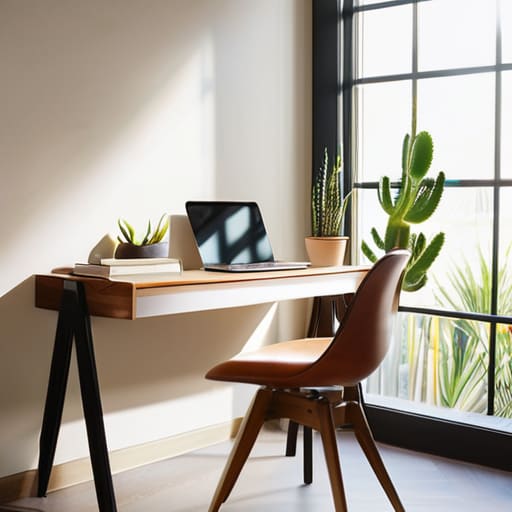
I’m so tired of seeing those “aesthetic” desk setups on social media that look like they belong in a museum rather than a real life. You know the ones—all white marble, zero cables in sight, and a single, tiny succulent that looks like it’s gasping for air. If you try to implement those hyper-curated home office setup ideas when you’re actually running a household and a career, you’re going to burn out by Tuesday. Real life is messy; you have coffee rings on your desk, a tangle of chargers in your drawer, and a pile of mail that refuses to be filed.
I’m not here to help you build a Pinterest board; I want to help you build a space that actually functions when you’re running on four hours of sleep. I’m going to share some practical, low-friction home office setup ideas that focus on ergonomics and organization without the unnecessary fluff. We aren’t aiming for perfection here—we’re aiming for sustainable systems that make your workday feel a little less like a climb and a little more like a flow.
Small Space Office Organization That Actually Sticks
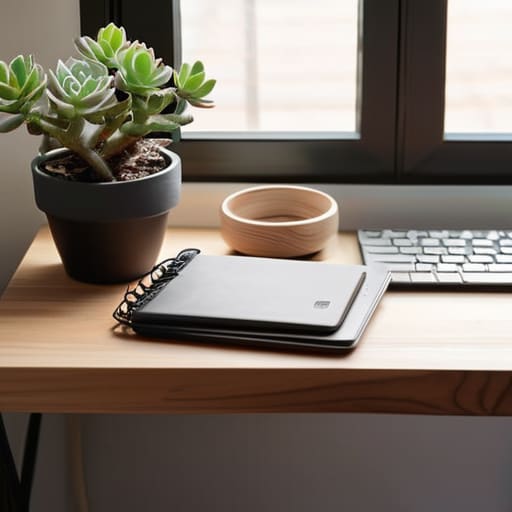
If you’re working out of a corner of your bedroom or a tiny nook in the living room, the biggest mistake is trying to cram everything onto the desk surface. I used to do that, and by 3:00 PM, my workspace felt like a junk drawer. The secret to small space office organization isn’t buying more bins; it’s about verticality. I started using a simple pegboard on the wall next to my desk to hang my headphones, cables, and even my planner. It gets the visual clutter off the desk and keeps things within reach without taking up an extra inch of floor space.
Another thing that helped me stop feeling claustrophobic is being ruthless about what actually stays on the desktop. I look for minimalist desk setup inspiration by focusing on just the essentials: my laptop, a lamp, and maybe one small plant. If I haven’t touched a piece of tech in two days, it goes in a drawer. When your physical environment is stripped back to the basics, it’s much easier to actually focus when your brain is already feeling fried from back-to-back meetings.
Minimalist Desk Setup Inspiration for Busy Days
When I’m having one of those days where my brain feels like it has too many tabs open, the last thing I need is a desk covered in half-empty coffee mugs and random cables. For me, minimalist desk setup inspiration isn’t about looking like a sterile showroom on Pinterest; it’s about reducing the visual noise so I can actually focus. I try to keep only what I use every single day within arm’s reach. If I haven’t touched that specific stapler or notebook in a week, it goes in a drawer.
I’ve learned that a “clean” desk doesn’t have to be empty, it just needs to be intentional. I lean heavily on a few specific remote work station accessories to keep things tidy, like a felt desk mat to define my workspace or a simple cable management clip to stop my charger from sliding onto the floor. It’s these tiny, functional choices that prevent the “clutter creep” that usually happens by Wednesday afternoon. By keeping the surface area clear, I find it’s much easier to sit down and actually start working, even when my motivation is running low.
Five Low-Effort Upgrades for a Sanity-Saving Workspace
- Prioritize lighting that doesn’t feel like a hospital wing. If you can’t sit near a window, grab a warm desk lamp instead of relying on that harsh overhead light; it makes a massive difference in how much your eyes ache by 3:00 PM.
- Stop trying to hide every single cable. Unless you have the energy for a full cable management project, just use some simple velcro ties or even just tuck the mess behind a monitor stand so you aren’t staring at a “spaghetti pile” while you’re trying to focus.
- Keep one “non-work” thing on your desk that actually makes you happy. For me, it’s a small succulent or my favorite mechanical keyboard; having one tactile, pleasant thing nearby helps ground you when a meeting goes sideways.
- Create a “landing strip” for your analog tools. Since I’m a sucker for my physical planner, I keep a dedicated tray for my pen and notebook so they don’t end up buried under random mail or coffee mugs.
- Set a “hard stop” visual cue. When the workday is done, physically close your laptop or throw a nice cloth over your monitor. It helps signal to your brain that the office is closed, even if your office is just a corner of your dining table.
The Bottom Line
Forget the “dream setup” you see on Pinterest; focus on having one clear surface and a chair that doesn’t make your back ache by noon.
Build systems for your low-energy self, like keeping a dedicated drawer for cables or a single tray for loose papers, so you don’t have to “organize” every single night.
Your workspace should serve your workflow, not the other way around—if a piece of tech or a decor item is just adding visual noise, get it out of your line of sight.
Finding Your Rhythm
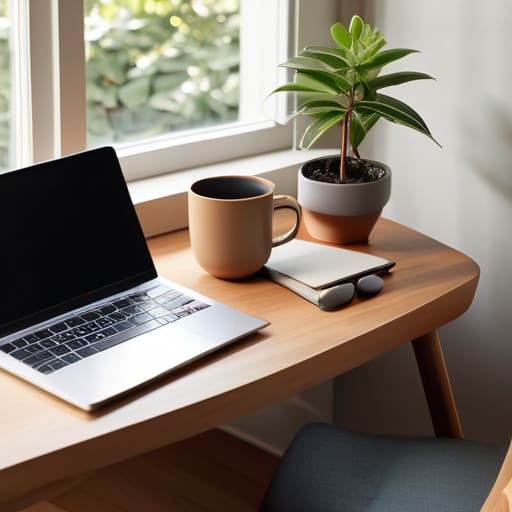
At the end of the day, setting up a home office isn’t about achieving some Pinterest-perfect aesthetic or buying every gadget on the market. It’s really just about the basics we’ve talked about: finding a way to organize your small space so it doesn’t feel like a junk drawer, and keeping your desk clear enough that you don’t feel immediately overwhelmed when you sit down to work. Whether you’re using a tiny corner of your living room or a dedicated spare bedroom, the goal is to create a setup that serves you, rather than a setup that requires constant maintenance. Focus on the functional wins—the decent chair, the organized drawer, and the clear surface—and let the rest of the “perfect” decor come later if you actually have the energy for it.
Please remember that your workspace is allowed to evolve. Some weeks, your desk will be a streamlined sanctuary of productivity, and other weeks, it might be a chaotic mess of coffee mugs and loose notes. That’s okay. Don’t let the pursuit of an “optimized” environment become another chore on your to-do list. The best setup is simply the one that makes your workday feel a little more manageable when you’re tired. Start small, keep it practical, and give yourself permission to work in a way that actually fits your real, messy, unoptimized life.
Frequently Asked Questions
How do I stop my desk from becoming a graveyard for random mail and coffee mugs by mid-afternoon?
The “mid-afternoon desk creep” is real. I used to let mail and half-empty mugs pile up until my workspace felt like a junk drawer. Now, I use a “one-touch” rule: if I pick up a piece of mail, it goes in a designated tray or the bin immediately—not just moved to the side. Also, keep a dedicated “reset” coaster. If it’s not in use, it goes straight to the kitchen. Small, mindless resets prevent the chaos.
What are some ways to make a workspace feel professional for video calls without spending a fortune on decor?
Honestly, don’t stress about buying a designer bookshelf or a fancy backdrop. I’ve found that the “professional” look is mostly about controlling what’s directly behind your head. A quick tidy of that one corner, a single healthy plant, or even just a neutral-colored wall does more than expensive decor. If your background is messy, try a simple fabric room divider or just reposition your desk to face a window. Natural light is free and looks better than any ring light.
If I’m working from a tiny apartment, how do I keep my "office" from bleeding into my "relaxing" space?
The trick isn’t finding more square footage; it’s creating a mental boundary. If your desk is in your living room, use a visual cue to “close” the office. Close your laptop, put your mouse in a drawer, or even drape a cloth over your monitor at 5:00 PM. When I can’t see my work tools, my brain finally stops processing my inbox. If you can’t hide the desk, hide the work.


I believe that life doesn't need to be optimized to perfection, just made slightly more manageable. My goal is to help you find systems that actually work when you're tired, not just when you're motivated. Let's focus on small, repeatable wins that clear the path for what actually matters.