How to Stay Physically Active Even With a Sedentary Job
I used to think that if I wanted to be “healthy” while working, I needed a standing desk that cost more than my monthly groceries or a dedicated yoga space in my tiny apartment. I’d see those influencers posting about their hour-long midday mobility flows, and honestly? It just felt like another chore on an already overflowing to-do list. The truth is, most advice on how to stay active at work is designed for people who have infinite energy and zero deadlines. For the rest of us—the ones trying to manage operations and keep a household running—the idea of a “wellness transformation” feels more like a burden than a benefit.
I’m not here to sell you on a lifestyle overhaul or a fancy piece of equipment you’ll eventually use as a coat rack. Instead, I want to share the low-friction movements and small habit tweaks that actually work for me when I’m staring at a spreadsheet and feeling completely drained. We’re going to focus on realistic, repeatable ways to keep your body from feeling like a statue, even on your most sedentary days. This isn’t about perfection; it’s about small, manageable wins that keep you feeling human.
Microbreaks for Productivity Finding Movement in the Chaos

I used to think that if I wasn’t sitting perfectly upright and focused for eight hours straight, I was failing at my job. But after years of staring at a screen until my eyes blurred, I realized that trying to power through is actually a recipe for burnout. Instead of aiming for a massive workout after a long shift, I’ve started leaning into microbreaks for productivity. These are tiny, intentional pauses—sometimes just sixty seconds—to break the physical trance of sitting.
You don’t need to clear your schedule for a yoga session; it’s more about the small, rhythmic shifts. I’ve found that even just a quick round of desk stretches for office workers—like rolling my shoulders or a simple neck release—can reset my focus. If you have a standing desk, use it as a tool rather than a permanent state; switching between sitting and standing helps mitigate some of the worst sedentary lifestyle health risks without requiring a complete lifestyle overhaul. It’s about finding those tiny pockets of movement that feel doable even when your to-do list is screaming at you.
Desk Stretches for Office Workers When Youre Exhausted
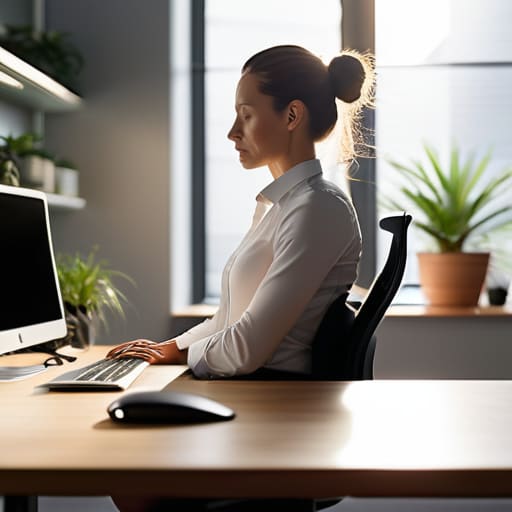
When I’m deep in a spreadsheet or stuck in a back-to-back meeting marathon, the last thing I want to do is a full yoga flow. But sitting still for hours is a recipe for that dreaded mid-afternoon stiffness. Instead of aiming for a workout, I focus on simple desk stretches for office workers that I can do without even standing up. A quick seated spinal twist or a simple neck stretch can break that physical tension that builds up from a sedentary lifestyle.
If you have the energy, I’ve found that even just a quick standing stretch helps reset my focus. If you’re lucky enough to have a standing desk, switching positions is a game changer, but even if you aren’t, just leaning forward to stretch your chest can counteract that “tech neck” slump we all get. The goal isn’t to become an athlete mid-shift; it’s just about incorporating movement into your office routine in a way that feels low-stakes. These tiny resets keep you from feeling like a statue by 3:00 PM.
Low-Friction Habits for When You Just Can't Deal
- Use the “phone call pacing” rule. Whenever I’m on a call that doesn’t require me to be staring at a spreadsheet, I stand up and pace my living room or office. It keeps me from sinking into that “desk slouch” and actually helps me think more clearly.
- Set up a “hydration station” that’s just a little too far away. If my water bottle is right next to my keyboard, I’ll forget it exists. If I have to actually stand up and walk to the kitchen to refill it, I’m forced to move, and it gives me a natural excuse to reset.
- Try the “one-task-per-standing-session” method. If you have a standing desk, don’t try to stand all day—that’s a recipe for sore feet. Instead, pick one specific, low-brainpower task, like clearing your inbox, and tell yourself you’ll only do it while standing.
- Stop the “scrolling slump” by switching to a different posture. If you’re checking news or Slack on your phone during a break, don’t do it hunched over on the couch. Lean against a counter or sit on the edge of a chair. It’s a tiny shift, but it keeps your spine from feeling like a question mark.
- Audit your meetings for “camera-off” opportunities. If a meeting is purely informational and doesn’t require you to share your screen, keep your camera off and use that time to walk around the room or even just do some seated leg lifts. It’s much easier to move when you aren’t worried about being watched.
The Bottom Line
Forget the idea that you need a 30-minute workout break; focus on tiny, 60-second movements that don’t feel like a chore.
Build movement into your existing habits—like standing up every time you finish a call or stretching while your coffee brews—so it doesn’t feel like “one more thing” to do.
Listen to your energy levels; on days when you’re running on empty, a simple seated stretch is a win, and that’s enough.
Finding Your Own Rhythm
At the end of the day, staying active at work isn’t about hitting a step goal or mastering a complex yoga flow in the middle of your cubicle. It’s really just about those tiny, intentional shifts—the quick desk stretch when your neck feels tight, or the decision to take the long way to the breakroom instead of staying glued to your chair. We’ve looked at how microbreaks can break up the mental fog and how even a few low-effort movements can keep you from feeling like a statue by 3:00 PM. The goal isn’t to overhaul your entire lifestyle; it’s to find those small, repeatable wins that keep your body from feeling the brunt of a sedentary workday.
Please, don’t feel like you have to do all of this at once. Some days, your only “movement” might be standing up to grab a glass of water, and that is perfectly okay. Systems only work if they are sustainable, especially on the days when your brain is fried and your energy is non-existent. Focus on what feels actually doable right now. If you can manage just one stretch or one extra minute of walking today, you’ve already won. Let’s stop trying to be perfect and just aim to be a little more mobile than we were yesterday.
Frequently Asked Questions
How do I manage to stay active without looking weird or unprofessional in an open-plan office?
The “open-plan anxiety” is real. I used to worry that every time I stood up, my coworkers thought I was being dramatic. The trick is to make movement look like a natural part of your workflow rather than a workout. Instead of sudden stretches, try “incidental” movement: take a call while standing, use the restroom on a different floor, or walk to a colleague’s desk instead of Slacking them. It’s subtle, professional, and keeps you moving.
What can I actually do if my job requires me to be glued to my screen for hours at a time?
Look, I get it. Some days, the workload is so heavy that stepping away for a “wellness walk” feels like a luxury you can’t afford. If you’re truly glued to the screen, stop trying to find big blocks of time. Instead, use “trigger movements.” Every time you hit ‘send’ on a long email or finish a meeting, do ten seated calf raises or a quick neck roll. It’s not a workout, but it breaks the physical stagnation.
Are there any low-effort ways to stay moving that don't feel like a massive chore after a long day?
Honestly, I’ve learned the hard way that if a “wellness tip” feels like another item on my to-do list, I’m just not going to do it. Instead of aiming for a workout, try “habit stacking.” Grab your water bottle and pace while you’re on a call, or do a few calf raises while the coffee brews. It’s not intense, but it keeps the stagnation at bay without requiring any extra mental energy.


I believe that life doesn't need to be optimized to perfection, just made slightly more manageable. My goal is to help you find systems that actually work when you're tired, not just when you're motivated. Let's focus on small, repeatable wins that clear the path for what actually matters.