Effective Stretches to Relieve Tension From Sitting at a Desk
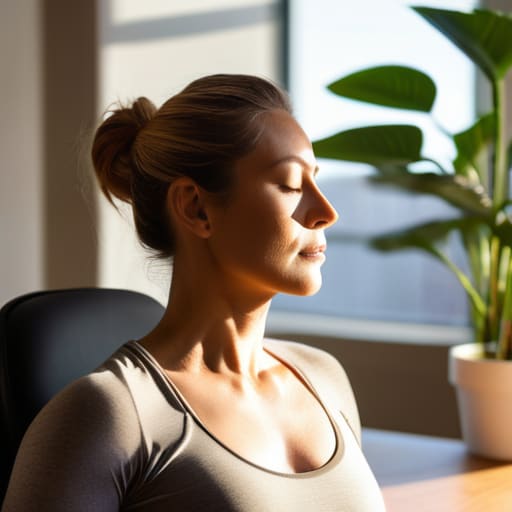
I was staring at my dual-monitor setup last Tuesday, my neck locked in a position that felt more like a permanent structural failure than a human posture, when I realized I’d spent the last four hours completely frozen. We’ve all seen those “wellness” influencers pushing fifteen-minute guided mobility flows or expensive ergonomic setups that cost more than my monthly grocery bill, but let’s be real: nobody has the mental bandwidth for a full-blown yoga session in the middle of a frantic workday. Most advice about desk stretches feels like it was written for someone with zero deadlines and an infinite amount of patience, which is not how my life—or yours—actually works.
I’m not here to sell you on a lifestyle overhaul or a complicated routine that you’ll abandon by Wednesday. Instead, I want to share the few, low-effort desk stretches that actually help me unclamp my jaw and loosen my shoulders without me having to leave my chair or lose my flow. These are the small, repeatable wins that I use to keep myself from feeling like a human pretzel when the afternoon slump hits. We’re focusing on systems that actually work when you’re too tired to care about perfect form.
Relieve Neck Tension at Work Without Leaving Your Chair
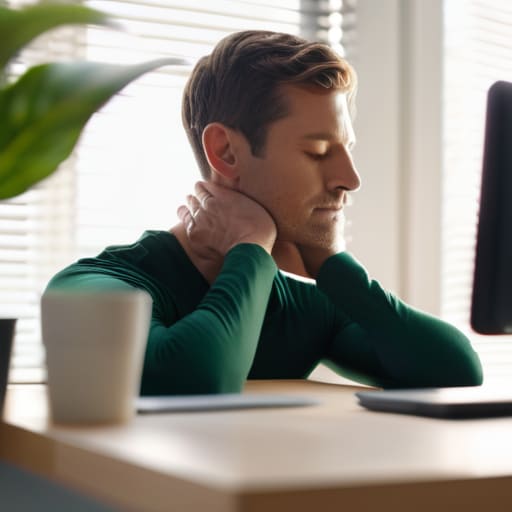
If you’re like me, you probably spend half your workday hunched over a laptop, unintentionally turning your neck into a rigid piece of rebar. When that tightness starts creeping up toward your skull, you don’t need a thirty-minute meditation session; you just need to relieve neck tension at work before it turns into a full-blown tension headache. Try a simple chin tuck. Sit up straight, pull your shoulders back, and gently tuck your chin toward your chest as if you’re trying to make a double chin. It feels a little ridiculous at first, but it’s one of the most effective posture correction exercises for resetting your alignment without even standing up.
Next, try the ear-to-shoulder stretch. Instead of forcing a deep pull, just let the weight of your head guide your ear toward your shoulder. Hold it for a few slow breaths, then switch sides. It’s a low-effort way to incorporate a bit of seated yoga for professionals into a hectic Tuesday. The goal isn’t to hit a new personal best in flexibility; it’s just to stop your muscles from locking up while you’re staring at spreadsheets.
Wrist Stretches for Typing When Your Hands Feel Heavy
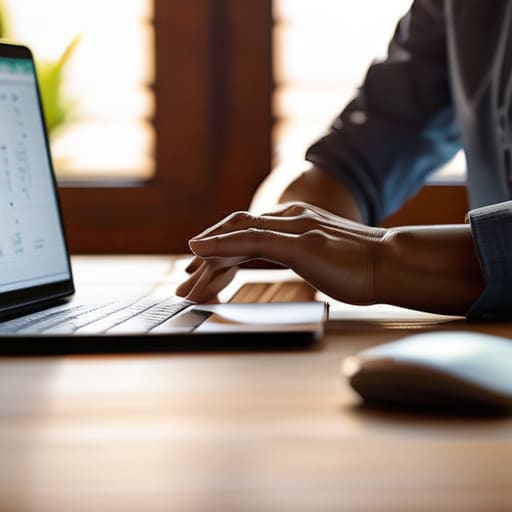
If you’re like me and spend most of your day toggling between spreadsheets and Slack, you know that heavy, dull ache in your wrists that sets in around 3:00 PM. It’s not just fatigue; it’s that tightness that makes your next few keystrokes feel like a chore. Instead of waiting until you’re actually in pain, I try to bake a few wrist stretches for typing into my workflow. A simple way to start is the “prayer stretch”—press your palms together in front of your chest and slowly lower them toward your waist until you feel a gentle pull. It’s quick, discreet, and doesn’t require you to get up and start doing full-blown ergonomic office exercises in the middle of a meeting.
Another one I swear by is the reverse stretch. Extend one arm out, palm facing away like you’re telling someone to stop, and use your other hand to gently pull your fingers back toward you. It sounds basic, but it’s a lifesaver for releasing that tension before it turns into a full-blown cramp. I usually do this while I’m waiting for a large file to upload or a Zoom call to start.
Low-Stakes Moves for When You're Deep in a Flow State
- The “Chest Opener” for when you’ve been hunched over like a gargoyle. Just lace your fingers behind your head and gently pull your elbows back. It takes ten seconds and stops that feeling of your ribs collapsing inward.
- Seated Spinal Twists to unstick your mid-back. While you’re still in your chair, grab the armrest or the back of the seat and just rotate your torso slightly. It’s a quick way to reset your spine without needing to stand up and look weird in the middle of a meeting.
- Ankle Circles for when your legs start to feel heavy. If you’ve been sitting for three hours straight, just lift your feet slightly and rotate your ankles. It sounds minor, but it helps with that sluggish, “stuck” feeling in your lower limbs.
- The Shoulder Roll Reset. Instead of a full-blown workout, just shrug your shoulders up to your ears and let them drop heavily. Do it three times. It’s a physical way to tell your nervous system to stop holding onto all that micro-stress.
- Eye Palming to fight the screen glare. If your head is starting to throb, rub your palms together to get them warm and just cup them over your closed eyes for thirty seconds. It’s a tiny sensory break that helps when you’ve been staring at spreadsheets for way too long.
The Low-Effort Cheat Sheet
Don’t wait for actual pain to move; just pick one stretch to do every time you finish a meeting or hit “send” on a long email thread.
Forget the idea of a perfect 20-minute yoga flow—if you only have thirty seconds to roll your shoulders or stretch your wrists, that still counts as a win.
Listen to your body, not a fitness app; if a stretch feels awkward or wrong, skip it and just try standing up for a minute instead.
Making It Stick
At the end of the day, you aren’t going to do a twenty-minute mobility flow in the middle of a Tuesday afternoon. I know, because I certainly don’t. The goal here isn’t to become a master of ergonomics; it’s just about those quick, low-effort wins we talked about—loosening up your neck when the emails start piling up or giving your wrists a break when your hands start feeling heavy from typing. If you can manage even two of these stretches during your afternoon slump, you’ve already done more for your body than if you just sat there and powered through the discomfort. It’s about small, repeatable movements that stop the tension from turning into a full-blown headache by 5:00 PM.
Please don’t feel like you have to be perfect at this. Some days you’ll remember to stretch, and other days you’ll be so deep in a spreadsheet that you won’t move for four hours straight. That’s fine. The point is to build a little bit of functional grace into your workday so your job doesn’t physically drain you. We’re just trying to make the daily grind a little more manageable, one quick stretch at a time. Just pick one thing to try next time you feel that familiar tightness, and start there.
Frequently Asked Questions
How often am I actually supposed to do these stretches to see a difference?
Honestly, don’t try to schedule these like a formal meeting. If you aim for “every Tuesday at 2 PM,” you’ll forget and then feel guilty about it. Instead, use them as friction-reducers. Do a quick wrist stretch whenever you finish a long email or a neck roll when you feel that familiar tightness creeping in. If you do them consistently—even just once or twice a day—you’ll notice the difference without the burnout.
Can I do these if I'm in an open office and don't want to look weird to my coworkers?
Honestly, I get it. I spent years in open-plan offices where I felt like every weird movement was being judged. My rule of thumb: if it looks like a full-blown yoga session, save it for your desk at home. Stick to the micro-movements—gentle neck tilts or subtle wrist circles under your desk. They’re almost invisible, but they still break that physical tension before it turns into a full-on headache.
What should I do if a stretch actually makes my joint pain feel sharper?
Stop immediately. Seriously. There’s a big difference between that “good” kind of muscle tightness and actual sharp, stabbing pain. If a stretch makes a joint feel like it’s being pinched or sending a jolt through your arm, your body is telling you to back off. Don’t try to “push through it”—that’s how you end up with a real injury. Scale back the range of motion or just skip that specific movement entirely for today.


I believe that life doesn't need to be optimized to perfection, just made slightly more manageable. My goal is to help you find systems that actually work when you're tired, not just when you're motivated. Let's focus on small, repeatable wins that clear the path for what actually matters.