How to Manage Stress During Overwhelming Times

I was staring at my desk last Tuesday—surrounded by half-dead succulents and a stack of unfiled invoices—realizing I had spent forty minutes researching “luxury wellness retreats” instead of actually doing my job. It’s the great lie of the self-help industry: that the only way to fix burnout is to spend a month in Bali or buy a $90 candle. When you’re actually drowning in a remote workflow and a mounting to-do list, those suggestions feel less like help and more like another chore on your plate. We don’t need more expensive rituals; we need to figure out how to reduce stress using the small, messy pockets of time we actually have.
I’m not here to sell you a lifestyle overhaul or a complicated meditation schedule that you’ll abandon by Wednesday. My goal is much more boring, and hopefully, much more useful. I want to share the low-effort, pragmatic systems I use to keep my head above water when my brain feels like a browser with fifty tabs open. We’re going to focus on small, repeatable wins—the kind of tiny adjustments to your environment and routine that actually work when you’re too exhausted to “optimize” your life.
Gentle Cortisol Reduction Methods for Low Energy Days

When you’re running on empty, the last thing you need is a high-intensity workout or a complex ten-step meditation routine. If your body feels jittery but your brain feels like mush, you’re likely dealing with a spike in stress hormones that requires a softer touch. Instead of forcing a “productive” movement session, try leaning into very low-impact physical activities for mental health, like a slow walk around the block or even just some gentle stretching on the floor. The goal isn’t to burn calories; it’s to signal to your nervous system that you aren’t actually in danger.
Sometimes, the most effective cortisol reduction methods are the ones that require zero equipment and almost no mental effort. I’ve found that simple deep breathing exercises—specifically the kind where you focus entirely on the exhale—can act like a manual override for your brain. If you can’t even manage that, just focus on sensory grounding. Touch the texture of your desk or notice the temperature of the air. It sounds small, but these tiny shifts help pull you out of that frantic mental loop without demanding more energy than you actually have left.
Simple Deep Breathing Exercises That Dont Feel Like Chores

I know the feeling—you’re told to “just breathe,” but if I have to sit cross-legged on a floor and clear my mind for twenty minutes, I’m probably going to end up more frustrated than when I started. When I’m spiraling, I don’t need a formal meditation session; I need something that feels like a reset button. One of my go-to deep breathing exercises is the 4-7-8 technique, but I don’t do it in a dark room. I do it while I’m waiting for my coffee to brew or while I’m sitting at my desk staring at a spreadsheet. It’s a quick, invisible way to engage some of my favorite stress management coping mechanisms without making a production out of it.
Another trick I use when my chest feels tight is “box breathing.” It’s what I lean on when a meeting goes sideways. You just inhale, hold, exhale, and hold again for a count of four. It’s rhythmic, predictable, and doesn’t require any special equipment. It isn’t about achieving enlightenment; it’s just about signaling to your nervous system that you aren’t actually in physical danger.
Low-Friction Shifts for When You Just Can't "Zen" Your Way Out
- Close your tabs. Not just the ones you’re working on, but the twenty-seven open in your browser that represent tasks you aren’t doing right now. That digital clutter is a constant, silent ping to your brain that you’re falling behind. Close them. If it’s important, it’s in your planner; if it’s not, let it go.
- The “One-Surface” Reset. When the house feels like it’s closing in on you, don’t try to clean the whole kitchen. Just clear one surface—the coffee table or the desk. Having one clean, physical space to look at provides a visual break from the chaos.
- Change your sensory input. If you’ve been staring at a screen in silence, put on some low-fi beats or even just brown noise. If the room feels stuffy, crack a window for five minutes. Sometimes stress is just your nervous system reacting to a stale environment.
- Stop the “Productivity Guilt” spiral. If you’re too drained to do your actual to-do list, do one “low-stakes” task instead. Fold five pieces of laundry or water your plants. It keeps you moving without the mental tax of a heavy project.
- Set a “Hard Stop” for your brain. Pick a time—say, 8:00 PM—where you stop checking emails, stop looking at news feeds, and stop trying to solve problems. Give yourself permission to be “off the clock” mentally, even if you’re still physically awake.
The Bottom Line: Small Wins Over Big Overhauls
Stop trying to “fix” your stress with massive lifestyle changes; focus on tiny, low-effort shifts that you can actually sustain on your worst days.
Prioritize physiological resets—like breathing or light movement—to calm your nervous system before you try to tackle the mental side of your to-do list.
Give yourself permission to do things imperfectly, because a “good enough” system that works when you’re exhausted is better than a perfect one that you abandon by Tuesday.
Finding Your Baseline
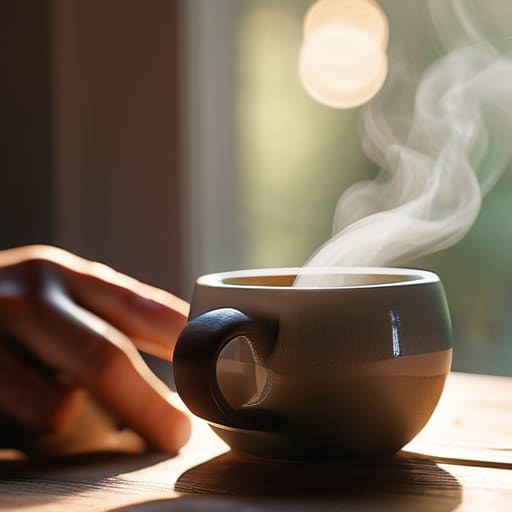
If you’re feeling overwhelmed by everything we’ve discussed, please remember that you don’t have to implement every single one of these at once. Whether it’s choosing a low-effort cortisol hack when your brain feels like mush or just taking three breaths that actually feel intentional, the goal isn’t to become a master of zen. It’s simply about finding those small, friction-free ways to stop the downward spiral before it gains momentum. We’ve looked at gentle physical shifts and breathing techniques that don’t feel like another item on your to-do list, and honestly, that is more than enough to start reclaiming a bit of your headspace.
At the end of the day, I’ve learned through plenty of chaotic work weeks that stress isn’t something you “fix” once and for all; it’s something you manage in small, manageable increments. Don’t aim for a perfectly optimized, stress-free existence—that’s a moving target that doesn’t exist. Instead, aim for sustainable systems that work even when you’re exhausted and unmotivated. Focus on the small wins, keep your expectations realistic, and give yourself permission to just exist without being “productive” for a while. You’re doing better than you think you are.
Frequently Asked Questions
How do I actually stick to these small habits when my schedule gets completely derailed?
Honestly, this is where most “productivity systems” fail. When my schedule hits a wall, I stop trying to do the full routine and switch to my “emergency minimum.” If my habit is a 20-minute walk but I’m drowning in emails, I just step onto my balcony for two minutes of fresh air. It’s not the same, but it keeps the streak alive in my head. Don’t aim for consistency in intensity; aim for consistency in showing up, even if it’s just a tiny bit.
Is there a way to lower my stress without spending money on expensive wellness trends or gear?
Honestly, please don’t. Most of those “wellness” subscriptions and $100 weighted blankets are just more things to manage. Stress relief shouldn’t feel like another line item in your budget. For me, it’s the free stuff that actually sticks: a ten-minute walk without a podcast, tidying one single surface in my apartment, or just sitting on my balcony with a cup of tea. If it costs money, it’s usually a distraction, not a solution.
How can I tell the difference between "good" productive stress and the kind that's actually burning me out?
I look at it like this: “good” stress feels like a surge of adrenaline—it’s that focused, slightly buzzy feeling that actually helps me power through a deadline. It has an end point. Burnout stress, though? That’s a heavy, constant fog. It’s when the tasks don’t feel challenging, they just feel impossible. If you’re feeling motivated by the challenge, you’re likely fine. If you’re just feeling hollow and resentful, it’s time to pivot.


I believe that life doesn't need to be optimized to perfection, just made slightly more manageable. My goal is to help you find systems that actually work when you're tired, not just when you're motivated. Let's focus on small, repeatable wins that clear the path for what actually matters.