Getting More Done With the Pomodoro Technique

I used to think that productivity meant living inside a perfectly color-coded calendar, but my experience in high-stress marketing roles taught me otherwise. I’ve seen those “hustle culture” gurus claim that the pomodoro technique is some magical, life-altering secret to achieving god-tier focus, as if a kitchen timer is going to suddenly turn you into a machine. Honestly, that’s just exhausting. When you’re staring at a mounting pile of spreadsheets and your brain feels like it’s made of static, you don’t need a complex lifestyle overhaul; you just need a way to stop the spiral.
I’m not here to sell you on a productivity cult or a fancy new app that costs twenty dollars a month. Instead, I want to share how I actually use the pomodoro technique to navigate my own workday without losing my mind. I’ll walk you through the version that works when you’re actually tired, focusing on small, manageable intervals that help you reclaim your momentum. This isn’t about perfection—it’s about finding a rhythm that stays functional even when your motivation completely disappears.
Finding Your Rhythm With Low Pressure Deep Work Intervals
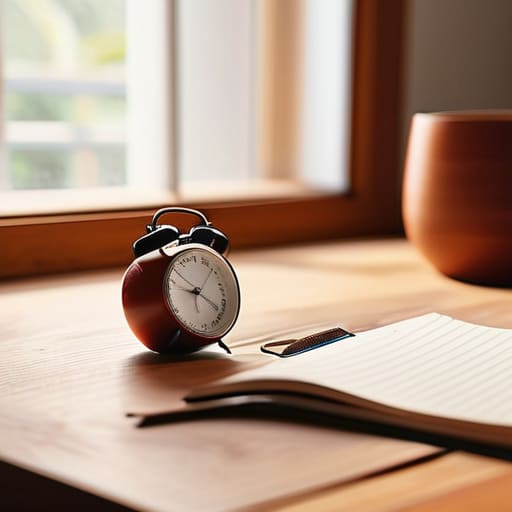
The mistake most people make when they first try this is treating it like a drill sergeant’s training program. They set a timer for 25 minutes, and if they get interrupted or lose steam, they feel like they’ve failed the entire system. But honestly? The goal isn’t rigid perfection; it’s about finding deep work intervals that actually fit your specific brain chemistry. Some days, my focus is sharp, and I can push for longer stretches. Other days, when I’ve had too much caffeine and not enough sleep, I need to scale back.
I’ve found that the real magic happens when you stop fighting the clock and start using it to protect your energy. Instead of viewing the timer as a deadline, think of it as a way of avoiding burnout with timers that act as a gentle nudge to step away before you hit a wall. If you’re having a rough afternoon, don’t force a marathon session. Just aim for one single, manageable block. It’s much easier to commit to twenty minutes of effort than it is to face an endless, daunting afternoon of “work.”
Avoiding Burnout With Timers That Actually Respect Your Energy
The biggest mistake I see people make is treating these timers like a drill sergeant. If you’re staring at a screen and your brain feels like mush, forcing yourself to grind through another twenty-five minutes isn’t “discipline”—it’s a fast track to exhaustion. Instead of fighting your biology, try using structured break intervals that actually scale with your mental state. On days when I’m feeling sharp, I might push for longer stretches, but on the days when my focus is shot, I shorten the timer. The goal isn’t to hit a specific number of cycles; it’s about listening to your capacity before you hit a wall.
Real work-life balance productivity isn’t about squeezing every last drop of effort out of your workday; it’s about knowing when to step away so you don’t carry that mental fog into your evening. When that timer goes off, actually stand up. Walk to your plants, grab some water, or just stare out the window. If you use these intervals to preemptively manage your energy rather than just tracking your output, you’ll find you’re much more resilient against that mid-afternoon slump.
Five ways to make the timer work for you (not against you)
- Don’t be a slave to the 25-minute rule. If you’re in a flow state and the timer goes off, just keep going. The goal is to get things done, not to stop mid-sentence just because a bell rang.
- Use your breaks for something tactile. Instead of scrolling through your phone—which just drains your brain in a different way—get up, water a plant, or stretch. Give your eyes a break from the screen.
- Keep a “distraction pad” next to your keyboard. When that random thought about needing to buy laundry detergent hits you mid-session, write it down in your physical planner and immediately get back to work. It stops the mental loop.
- Match your intervals to your energy levels. On days when I’m feeling sluggish, I might try 15 minutes of work and 5 minutes of rest. It’s better to do something small than to stare at a blank screen feeling guilty.
- Prep your environment before you hit start. There is nothing worse than starting a timer only to realize you don’t have water or your charger. Spend two minutes setting the stage so your focus actually has a chance to stick.
The Low-Stakes Summary
Don’t treat the timer like a drill sergeant; use it as a way to negotiate with your brain when you really don’t want to start.
If a 25-minute block feels impossible on a bad day, scale it down to ten minutes—the goal is movement, not perfection.
Use your breaks to actually step away from the screen, because staring at your phone isn’t the same thing as resting your eyes.
Finding Your Own Way Forward

At the end of the day, the Pomodoro Technique isn’t about turning yourself into a productivity machine or strictly adhering to a stopwatch. It’s really just about lowering the barrier to entry when your brain feels like it’s stuck in mud. We’ve talked about finding a rhythm that respects your energy levels and using those tiny intervals to prevent the inevitable burnout that comes from trying to power through a massive to-do list in one go. Whether you’re sticking to the classic twenty-five minutes or stretching it out to fit your specific flow, the goal is to stop fighting your own momentum and start working with it instead.
Please don’t feel like you’ve failed if you miss a timer or if a session gets interrupted by a sudden, urgent email. Life is messy, and my physical planner is full of crossed-out plans and rescheduled tasks for that exact reason. The real win isn’t in a perfectly executed schedule; it’s in the fact that you actually tried to carve out a little bit of focused time for yourself. Just pick one small task, set a timer, and see what happens. You don’t need to optimize your entire life today—you just need to win one small slice of time.
Frequently Asked Questions
What do I do if I’m right in the middle of a flow state when the timer actually goes off?
This is the ultimate test of the system, isn’t it? Honestly, if you’re deep in the zone, don’t let a loud timer snap you out of it. That’s the “flow” we’re actually aiming for. Instead, just jot down one quick sentence in my physical planner about exactly where you left off—what the next tiny step is—and then keep going. Use the timer as a suggestion, not a drill sergeant. You can always take a longer break later.
Are there specific apps you recommend, or is a basic kitchen timer better for avoiding phone distractions?
Honestly, if you’re like me and your phone is a constant source of micro-distractions, stay away from the apps. Even “productivity” apps are just another way to end up scrolling Instagram. I swear by a basic, physical kitchen timer or a dedicated desk timer. It keeps the phone in another room—or at least face down—and gives you that satisfying, tactile click that tells your brain, “Okay, we’re working now.”
How do I adjust the intervals if the standard 25-minute block feels too long or too short for my attention span?
Honestly, don’t feel obligated to stick to the “standard” 25/5 rule just because a book said so. If 25 minutes feels like an eternity when you’re struggling to focus, try a 10-minute sprint. If you’re in a flow state and 25 minutes feels like a disruption, bump it up to 50. The goal isn’t to follow a recipe; it’s to find a rhythm that works for your brain on its worst days.


I believe that life doesn't need to be optimized to perfection, just made slightly more manageable. My goal is to help you find systems that actually work when you're tired, not just when you're motivated. Let's focus on small, repeatable wins that clear the path for what actually matters.