A Practical Guide to Finally Getting Your Paperwork in Order
I used to think that learning how to organize paperwork meant buying a $200 heavy-duty filing cabinet and a set of color-coded hanging folders that would make a professional librarian weep with joy. I spent an entire weekend once trying to build this “perfect” system, only to realize by Tuesday that I was too exhausted to actually use it. The truth is, most organizational advice is designed for people who have infinite energy and zero real-world distractions. If your current method for handling mail is just a growing pile on the kitchen island next to your house keys, you aren’t failing; you’re just trying to follow a system that wasn’t built for a human life.
I’m not here to sell you on a lifestyle overhaul or a mountain of expensive stationery. Instead, I want to show you how to build a low-friction workflow that actually survives a long workday. We’re going to focus on small, realistic ways to manage the clutter so you can stop dreading the mail and start finding what you need in seconds, not minutes. This is about making your life slightly more manageable, one piece of paper at a time.
Sorting Important Documents When Youre Running on Empty
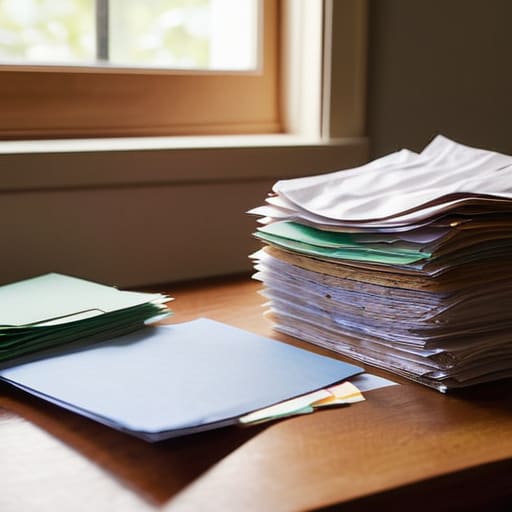
When you’re staring at a mountain of mail and your brain feels like mush, the last thing you need is a complex manual on sorting important documents. Forget the idea that you need to sit down for four hours and build a master archive. When I’m running on empty, I use the “Three-Pile Method”: Trash, Action, and File. I don’t even look at the content of the “File” pile too closely; I just grab a folder, toss the papers in, and tell myself I’ll deal with the details when I actually have the mental bandwidth.
If the pile is still too intimidating, stop trying to build a perfect system and just focus on maintaining household records that actually matter—like your lease, tax documents, or medical stuff. Everything else can wait. If you’re feeling a tiny spark of energy, you can try digitizing paper records by just snapping quick photos with your phone, but don’t force it. The goal here isn’t perfection; it’s just getting the paper off your desk so you can finally sit down and relax.
Low Maintenance Document Management Systems That Actually Stick
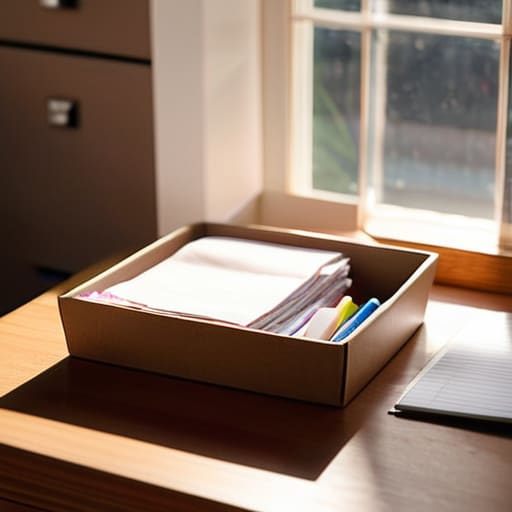
The problem with most advice on document management systems is that it assumes you have the energy of a productivity guru on a Monday morning. In reality, most of us just need a way to stop the pile from growing. My personal rule is to avoid the “everything has a specific folder” trap. Instead, I use a tiered approach. I have one “active” bin for things I need to deal with this week (bills, incoming mail, school forms) and one “archive” box for everything else. This keeps the immediate chaos contained without requiring you to become a professional archivist overnight.
When you actually have a burst of momentum, don’t try to tackle the whole house. Just focus on digitizing paper records that are taking up physical space but don’t need a hard copy—like old manuals or expired warranties. Use a mobile scanning app, toss the paper, and move on. For the heavy hitters, like tax docs or property papers, keep them in a single, labeled accordion file. It’s not fancy, and it’s definitely not “optimized,” but it’s a system that actually works when you’re tired.
Five small ways to keep the paper pile from winning
- The “One-Touch” Rule for Mail: When you bring the mail in, don’t just drop it on the counter to deal with “later.” Either shred it, file it, or put it in an immediate action folder right then. If it takes less than ten seconds, just do it.
- Use a “To-Process” Basket: Instead of letting loose papers migrate across every flat surface in your apartment, give them one designated home. A single, attractive basket on your desk acts as a holding cell so the chaos stays contained in one square foot.
- Go Digital for the Boring Stuff: I stopped printing out every single receipt and manual. If it’s a utility bill or a warranty, snap a photo or save the PDF to a dedicated “Admin” folder on my drive and then shred the physical copy. It saves so much physical space.
- The “Grab-and-Go” Emergency Binder: Don’t overcomplicate your filing cabinet. Just keep one bright, easy-to-find binder with your birth certificates, passports, and insurance info. If something happens, you aren’t hunting through ten different folders while panicking.
- Schedule a Monthly “Paper Purge”: Once a month—maybe while you’re waiting for your coffee to brew—set a timer for ten minutes. Go through that “To-Process” basket and clear it out. It’s much easier to manage a small pile once a month than a mountain once a year.
The Bottom Line
Stop aiming for a perfect archive; focus on a “good enough” system that keeps your most critical papers from getting lost in the shuffle.
Use the “one-touch” rule whenever possible—if a piece of mail takes less than thirty seconds to file or shred, do it immediately so it doesn’t become a pile.
Build your system for your worst, most tired self, not your most motivated self, by using simple bins or folders instead of complex digital filing structures.
Finding Your Baseline
At the end of the day, organizing your paperwork isn’t about achieving some pristine, Pinterest-worthy filing cabinet that looks like it belongs in a museum. It’s really just about creating a system that survives your worst, most exhausted Tuesdays. Whether you’ve decided to go with a simple “toss and bin” method for the junk or you’ve finally set up a dedicated spot for those crucial tax documents, the goal is the same: reducing the mental friction of searching for things. If you can find that one piece of paper without having to dump out a drawer and lose your cool, then you’ve already won. Just focus on building a baseline that works for your actual life, not the idealized version of it.
Don’t let the fear of doing it “wrong” keep you stuck in a cycle of paper piles and mounting anxiety. If your system feels too heavy or complicated, strip it back until it feels manageable again. You don’t need to master every organizational hack on the internet; you just need enough order to clear some mental space for the things that actually bring you joy. Remember, a messy desk or a slightly imperfect folder system is infinitely better than the paralysis of trying to be perfect. Take a breath, grab one single folder, and just start small.
Frequently Asked Questions
How do I decide what’s actually worth keeping versus what I can just shred and forget about?
Look, don’t treat this like a legal audit. I use a simple “Keep, Scan, Shred” rule. Keep the originals for anything with a tax implication or a legal seal—think property deeds or birth certificates. Scan everything else into a dedicated folder, then shred the paper. If you haven’t looked at it in a year and it isn’t a contract or a tax record, you probably don’t need the physical copy cluttering your desk.
Is it worth setting up a digital scanning system, or is that just more work than it's worth?
Honestly? It’s only worth it if you keep the barrier to entry incredibly low. If you buy a fancy scanner and spend hours setting up complex folder hierarchies, you’ll quit by Tuesday. But if you just use a mobile app to snap a quick photo of a receipt or a medical bill and dump it into one “Inbox” folder, it’s a game changer. Don’t over-engineer it; just aim for “searchable” rather than “perfect.”
What should I do with all the random mail and receipts that keep piling up on my kitchen counter?
Honestly, the kitchen counter pile is the ultimate momentum killer. My rule? Stop trying to “file” it immediately. Instead, get one dedicated tray or a small basket—nothing fancy—and make that the “landing zone.” Once a week, when you actually have the brainpower, go through it. Shred the junk, scan the receipts you actually need, and toss the rest. If it doesn’t go in the tray, it doesn’t stay on the counter.


I believe that life doesn't need to be optimized to perfection, just made slightly more manageable. My goal is to help you find systems that actually work when you're tired, not just when you're motivated. Let's focus on small, repeatable wins that clear the path for what actually matters.