Design Tricks to Make a Small Room Feel Much Larger
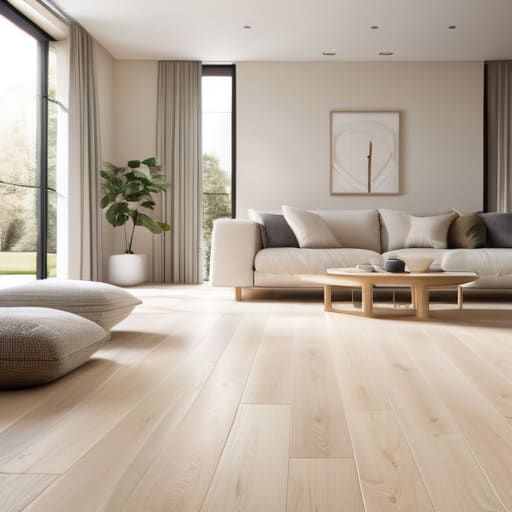
I’m so tired of seeing “expert” interior design blogs tell you that you need to gut your apartment or spend three months’ rent on a custom built-in just to find some breathing room. Honestly, the idea that you need a total renovation to figure out how to make a small room look bigger is one of the biggest lies in home decor. It’s exhausting. When I moved into my current place, I didn’t have a massive budget or the energy for a construction project; I just had a tiny living area that felt like it was actively shrinking every time I brought in a new plant or a stack of books.
I’m not here to sell you on expensive, high-concept minimalist aesthetics that feel cold and unlivable. Instead, I want to share the low-effort, practical shifts I’ve used to reclaim my space without losing my mind. We’re going to focus on small, repeatable tweaks—things like light placement, clever surface clearing, and furniture positioning—that actually work when you’re too tired to do a deep clean. My goal is to help you create a space that feels genuinely breathable, even if you’re working with very limited square footage.
Using Mirrors to Expand Visual Space Without the Stress
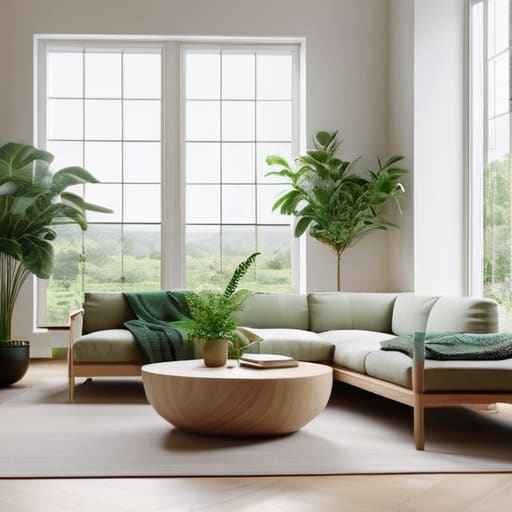
If you’re looking for a way to cheat the physics of a tiny room, mirrors are your best friend. I used to think you needed a massive, floor-to-ceiling statement piece to make a difference, but that’s not really practical if you’re renting or on a budget. Instead, I’ve found that even a few well-placed pieces can work wonders. The trick isn’t just about hanging something pretty; it’s about where you point that reflection. By using mirrors to expand visual space in front of a window, you’re essentially doubling the amount of natural light hitting the room, which instantly kills that “closed-in” feeling.
I usually opt for simple, thin-framed mirrors that don’t compete with my other belongings. If you’re trying to keep things from feeling cluttered, leaning a medium-sized mirror against a wall near a corner can create an illusion of depth that feels actually breathable rather than staged. It’s a low-effort win for maximizing small apartment space that doesn’t require a toolkit or a weekend of heavy lifting. Just aim for light, and the room will feel a lot less heavy.
Interior Design Color Palettes for Small Rooms That Breathe
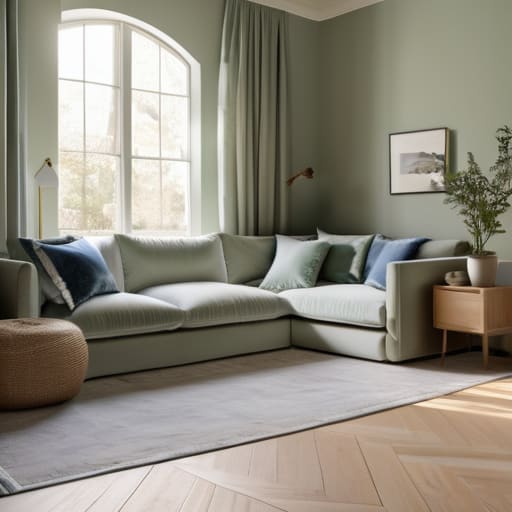
When it comes to color, I used to think I had to stick to a strict, sterile white to make things feel open. But honestly? That can end up feeling more like a hospital wing than a home. The trick isn’t just about brightness; it’s about how the light interacts with the walls. I’ve found that leaning into interior design color palettes for small rooms that use soft, muted tones—think sage greens, dusty blues, or warm oatmeal—actually creates a sense of depth. These colors recede visually, which helps the walls feel like they’re stepping back rather than pressing in on you.
If you’re working with a particularly tight layout, try a monochromatic approach. Using different shades of the same color prevents the eye from hitting “hard stops” at every corner, which is a huge part of maximizing small apartment space effectively. It creates a continuous flow that tricks your brain into seeing more volume. Just keep the textures varied so the room doesn’t feel flat or boring. A little bit of linen or a textured rug can keep things cozy without adding the visual clutter that makes a space feel cramped.
Five Low-Effort Ways to Open Up Your Space
- Stop the floor clutter. When you can see more of the actual floor, the room feels wider. Instead of heavy, solid furniture that sits right on the ground, try something with legs—a mid-century style credenza or a slim desk. It lets light pass underneath and tricks your brain into thinking there’s more breathing room.
- Use vertical space before you run out of it. If your surfaces are covered in stuff, your room feels claustrophobic. I started using floating shelves for my books and a few of my plants, which cleared up my desk and moved the “visual weight” up toward the ceiling.
- Hang your curtains high and wide. This was a game-changer for my living area. Instead of mounting the rod right above the window frame, go a few inches higher and wider. It makes the windows look massive and draws the eye up, making the ceilings feel less low.
- Be picky about your lighting. One single, harsh overhead light is a mood killer and makes corners feel dark and cramped. I like to layer it: a small floor lamp in a corner, a task light on the desk, and maybe some warm LED strips. It softens the edges of the room so it doesn’t feel like a box.
- The “one-in, one-out” rule for decor. It’s tempting to fill every nook with cute trinkets, but in a small space, that just creates visual noise. If I buy a new ceramic vase for my shelf, one old item has to go into storage or be donated. Keeping surfaces relatively clear is the easiest way to keep the room feeling “breathable.”
The Low-Stress Summary
Don’t overthink the decor; focus on light and color first to give your eyes a place to rest.
Use mirrors strategically to trick the eye, but don’t feel like you need a massive, expensive installation to see a difference.
Aim for “breathable” spaces rather than “perfect” ones—the goal is to feel less cramped, not to live in a showroom.
Making It Work for You
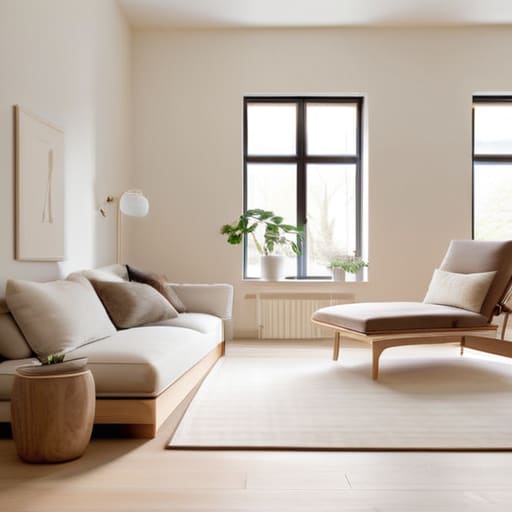
At the end of the day, making a small room feel larger isn’t about following a strict set of design rules or buying an expensive new furniture set. It’s really just about reducing the visual noise that makes a space feel heavy. Whether you’re using mirrors to bounce some much-needed light around, leaning into a lighter color palette, or simply clearing off those cluttered surfaces that catch your eye every time you walk by, the goal is the same: creating a sense of breathing room. You don’t have to do everything on this list at once. Start with one small change—maybe just a new rug or a different lamp placement—and see how it shifts the energy of the room.
I know how easy it is to get overwhelmed by the idea of “fixing” your home, especially when you’re already feeling drained from work or life. But remember, your space should be a place where you can actually decompress, not another project on your never-ending to-do list. You don’t need a perfect, magazine-ready apartment; you just need a home that feels a little less cramped and a little more like yours. Focus on those small, repeatable wins that make your daily routine feel just a bit smoother. Once the friction is gone, you’ll finally have the headspace to actually enjoy being home.
Frequently Asked Questions
I have way too much stuff; how do I declutter without feeling like I'm throwing away my entire life?
I used to think decluttering meant a total purge, which just felt paralyzing. Now, I use the “one-category-at-a-time” rule. Don’t look at the whole room; just look at your junk drawer or your skincare shelf. If you’re struggling to let go, try the “maybe box.” Put the questionable items in a bin and tuck it away. If you haven’t reached for them in a month, you can let them go without the guilt.
Does adding more furniture actually make a room feel smaller, or is there a way to make it work?
It’s a bit of a balancing act. If you just cram everything in, yeah, the room is going to feel claustrophobic. But it’s not about having less stuff; it’s about how that stuff sits. I’ve learned that choosing pieces with legs—where you can actually see the floor underneath—keeps things feeling airy. Also, try to avoid heavy, bulky silhouettes. If you can see the floor and the walls, the room breathes a lot better.
Are there specific lighting hacks I can use if I can't afford to install new fixtures?
Honestly, you don’t need an electrician to fix a dim room. I swear by the “layering” trick: instead of one harsh overhead light, I use a few small lamps in different corners. If you can’t drill holes, grab some battery-operated LED puck lights or even a cheap plug-in floor lamp. It creates depth and keeps the shadows from making the walls feel like they’re closing in.


I believe that life doesn't need to be optimized to perfection, just made slightly more manageable. My goal is to help you find systems that actually work when you're tired, not just when you're motivated. Let's focus on small, repeatable wins that clear the path for what actually matters.