Ways to Keep Your Kitchen Counters Clear and Organized
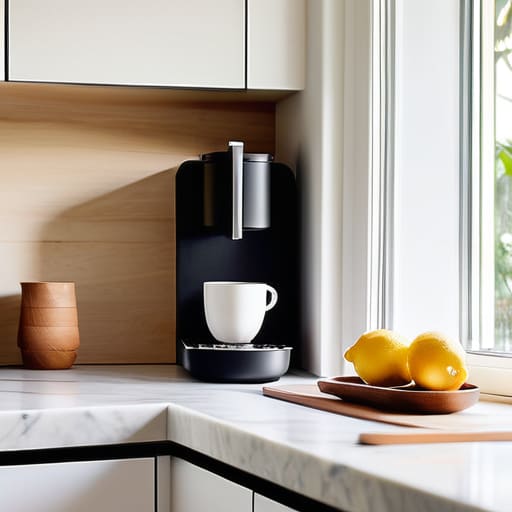
I used to think that having a “Pinterest-perfect” kitchen was the only way to feel like I actually had my life together. But after years of working in high-stress roles and coming home to a sink full of dishes and a pantry that looked like a junk drawer, I realized that aesthetic perfection is a lie. Most of the time, we don’t need a kitchen that looks like a showroom; we just need a kitchen that doesn’t fight us when we’re trying to make coffee at 6:00 AM. Finding practical kitchen organization ideas isn’t about buying matching glass jars for everything—it’s about reducing the friction of your daily routine so you aren’t constantly hunting for a lid or a spatula when you’re already exhausted.
In this post, I’m sharing five specific systems I’ve implemented to make my space actually functional for real life. These aren’t high-maintenance design trends; they are low-effort wins designed to work even when you’re too tired to care about tidiness. I’ll show you how to categorize your essentials, maximize the space you actually have, and create a flow that actually sticks long after the initial motivation wears off.
The "Prime Real Estate" Rule
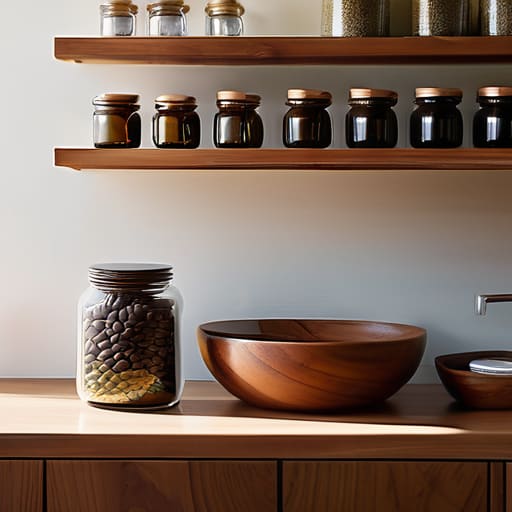
I used to spend way too much time shoving things into the back of deep cabinets, only to realize I hadn’t used that weird pasta extruder since 2021. Now, I follow a strict rule: if I don’t use it at least once a week, it doesn’t get to live on the counter or in the easiest-to-reach shelf. Your eye-level space is prime real estate, and it should be reserved for the stuff you actually grab while you’re mid-task, like your coffee beans or your most-used olive oil.
Zone Your Spices (And Keep Them Together)
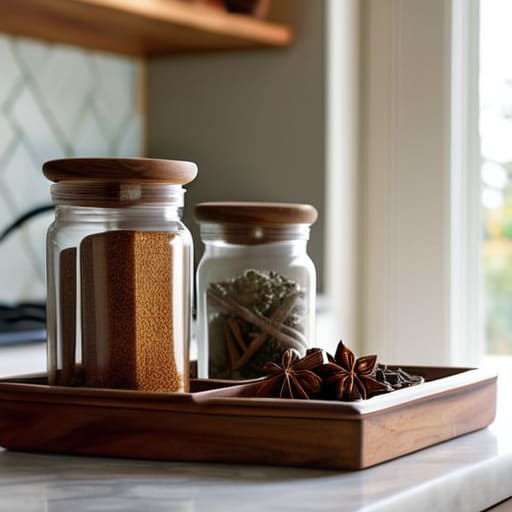
There is nothing quite as grating as being halfway through a recipe and realizing you have no idea where the cumin went. I stopped trying to organize my spices alphabetically because, let’s be honest, I’m never going to remember if cumin comes before coriander in a perfect system. Instead, I grouped them by how I actually cook. I have one little cluster for baking spices and another for the savory stuff I use for everyday seasoning.
The Tupperware Audit
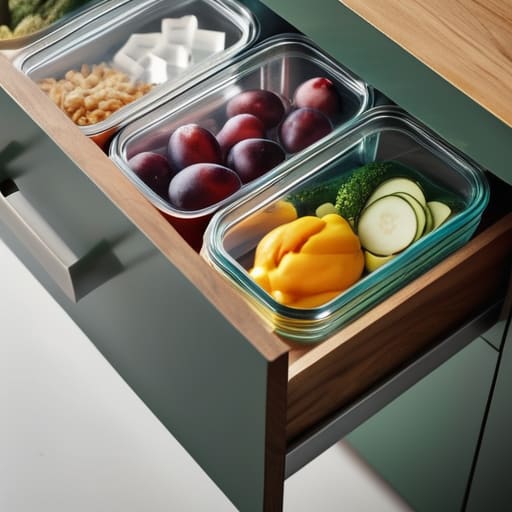
We’ve all been there: you open the plastic container drawer and a landslide of mismatched lids and stained bowls comes crashing down on you. It’s a special kind of chaos that makes me want to just order takeout instead of cooking. My solution wasn’t to buy more bins, but to perform a ruthless purge. If a container doesn’t have a matching lid, or if the lid doesn’t fit the container, it goes in the bin. No exceptions.
Use Vertical Space for Small Wins
When you’re working with a smaller kitchen, the cabinets can feel incredibly claustrophobic. I found that I was losing so much space simply because everything was stacked horizontally. I started adding a few simple tension rods or shelf risers to my cupboards, and it changed the game. It allows you to stack plates or mugs without having to lift a heavy pile every single time you just want one cereal bowl.
The "One-In, One-Out" Cleaning Station
A messy kitchen often starts with a cluttered “junk drawer” or a sink full of things that don’t have a home. I decided to create a dedicated, streamlined cleaning station right under the sink, but I kept it strictly functional. I use a small caddy to group my dish soap, sponges, and scrubbers so they aren’t just rolling around in the dark. If I can’t find my cleaning supplies in under five seconds, the system is broken.
The Bottom Line
Forget the “Pinterest Perfect” look; if a system is too complicated to maintain on a Tuesday night when you’re exhausted, it’s not a good system.
Focus on reducing friction by putting your most-used tools exactly where you naturally reach for them, not where they “should” go aesthetically.
Start small with one drawer or one shelf to avoid the overwhelm that usually leads to a half-finished, messy kitchen.
Don't Aim for Perfection
At the end of the day, these kitchen tweaks aren’t about achieving some Pinterest-perfect aesthetic; they are about reducing the friction of your daily routine. Whether you decided to group your baking supplies in one bin, clear out that one “junk drawer” that’s been haunting you, or finally implement a dedicated zone for coffee, the goal is the same: making things easier to find. You don’t need to overhaul every single cabinet this weekend. Just pick one small area, implement a system that actually makes sense for your workflow, and see if it makes your morning routine feel a little less frantic.
I know how it feels to look at a messy counter and just want to walk away because the mental load of “fixing it” feels too heavy. But remember, these systems are meant to serve you, not the other way around. If a system stops working because your life gets busier or your habits change, toss it and try something else. The best organization isn’t the one that looks the best in a photo; it’s the one that stays functional even on your most exhausted, unmotivated Tuesdays. Take it one drawer at a time, and give yourself credit for the small wins.
Frequently Asked Questions
I have a tiny kitchen with almost no counter space—can these systems actually work if I don't have room to spread out?
Honestly, tiny kitchens are my specialty because I don’t have the luxury of “spreading out” either. When counter space is non-existent, you have to stop thinking horizontally and start thinking vertically. If it isn’t hanging on a wall, sitting on a magnetic strip, or tucked into a cabinet organizer, it’s just taking up precious real estate. These systems actually work better in small spaces because they force you to be intentional about what stays out.
How much time am I actually going to have to spend maintaining these setups once they're done?
Honestly? If you’re spending more than five minutes a day “maintaining” these, the system is too complicated. The goal isn’t to run a professional kitchen; it’s to make sure you aren’t digging through a junk drawer at 7:00 PM. Aim for “resetting” rather than “cleaning.” Spend a few minutes after dinner putting things back in their designated spots. If it takes more effort than that, we need to simplify the setup.
Do I really need to buy all those aesthetic clear bins and containers, or can I just use what I already have in my pantry?
Honestly? No. You absolutely don’t. I see these “aesthetic pantry” reels all the time, and they look great until you actually have to live in them. If you spend your whole Sunday transferring flour and pasta into matching glass jars, you’re just creating more work for yourself. Use what you have. If an old cereal box or a mismatched Tupperware keeps things contained, that’s a win. Focus on visibility and accessibility, not the perfect Instagram shot.


I believe that life doesn't need to be optimized to perfection, just made slightly more manageable. My goal is to help you find systems that actually work when you're tired, not just when you're motivated. Let's focus on small, repeatable wins that clear the path for what actually matters.