Ways to Incorporate More Movement Into Your Day Without a Gym
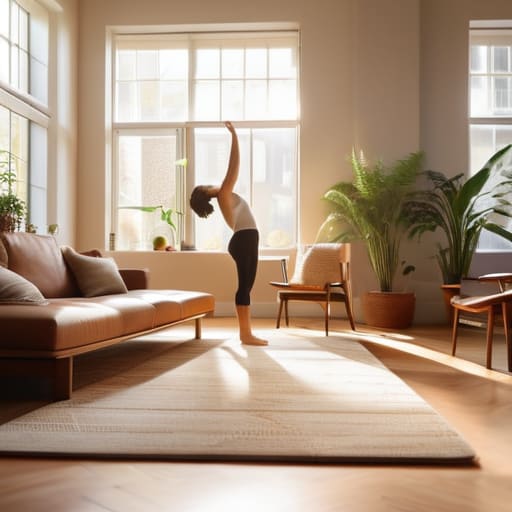
I’m so tired of seeing fitness influencers act like you need a $120 yoga class or a high-intensity bootcamp just to justify being active. Honestly, the idea that movement has to be a grueling, scheduled event is exactly what makes us stay glued to our desks for ten hours straight. I used to think that if I wasn’t sweating through a formal workout, it didn’t count, but that mindset is a total productivity killer. We don’t need more complicated routines; we just need simple ways to move more that actually fit into a chaotic workday without requiring a complete lifestyle overhaul.
I’m not here to sell you on a transformation program or a lifestyle redesign. Instead, I want to share the small, low-friction habits I’ve integrated into my own remote workflow to keep my joints from locking up. My goal is to give you a collection of realistic, low-effort wins—the kind of movements you can do while your coffee brews or during a lull between meetings. Let’s focus on making movement a natural part of your day rather than another exhausting item on your to-do list.
Low Impact Physical Activity for the Exhausted
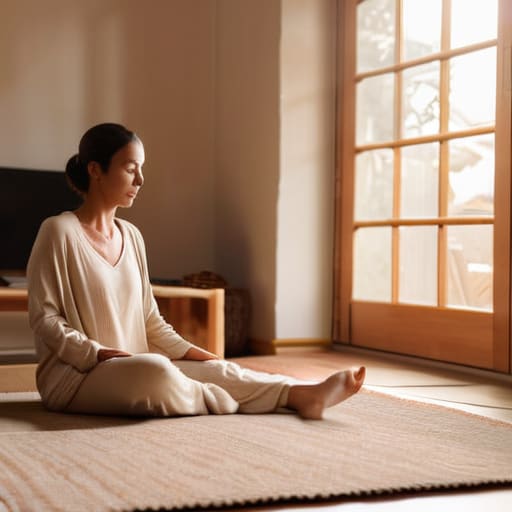
There are days when the mere thought of a gym session feels like an impossible mountain to climb. When I’m staring at my laptop after a marathon of back-to-back meetings, the last thing I want to do is put on leggings and head to a HIIT class. On those days, I lean into low impact physical activity that doesn’t require a costume change or a massive energy spike. I might just spend ten minutes doing some gentle mobility stretches on my rug or even just pacing around my apartment while I listen to a podcast.
If you’re struggling with a sedentary lifestyle, don’t try to overhaul your entire routine overnight. Instead, look for ways of incorporating movement into your workday that feel almost invisible. This could be as simple as standing up every time you finish a task or taking the long way to the kitchen to refill your water bottle. It’s not about hitting a personal record; it’s about finding those tiny, sustainable ways to keep your body from feeling completely stagnant. These small wins are much easier to maintain when you’re running on empty.
Small Lifestyle Changes for Fitness That Actually Stick
The problem with most fitness advice is that it assumes you have a massive block of free time and endless willpower. In reality, the most sustainable way to see progress is through small lifestyle changes for fitness that don’t require a gym membership or a change of clothes. I’ve found that it’s much easier to layer movement onto things I’m already doing rather than trying to carve out a new hour in my schedule. For me, that looks like pacing while I’m on a conference call or doing a few calf raises while my coffee brews. It sounds trivial, but these tiny bursts add up.
If you work a desk job, you’re likely fighting the pull of a sedentary lifestyle. Instead of aiming for a grueling hour-long session, focus on incorporating movement into your workday in ways that feel almost invisible. Try setting a timer to stand up every forty-five minutes, or park at the far end of the lot when you run errands. It’s about increasing your non-exercise activity thermogenesis (NEAT) without it feeling like a second job. We aren’t looking for perfection; we’re just looking for consistent, low-friction wins.
Tiny Micro-Movements: My Go-To List for Busy Days
- Use the “Phone Pacing” rule. I’ve realized that most of my long catch-up calls or mindless scrolling happen while I’m sitting. Now, if I’m on a call that doesn’t require me to be on camera, I stand up and pace my living room. It turns a sedentary habit into a low-stakes way to get my steps in without even thinking about it.
- The “One Song” Reset. On days when my brain feels like mush and the idea of a workout is offensive, I put on exactly one song I actually like and just move. It could be stretching, a quick dance in the kitchen, or just pacing while I listen. Once the song ends, I’m allowed to sit back down. It’s a low bar, but it breaks the physical stagnation.
- Make your chores a bit more active. I used to view cleaning as a drag, but now I treat it like a way to move. Instead of just standing at the sink, I do some calf raises while washing dishes, or I take the stairs instead of the elevator when I’m heading up to my apartment. It’s not “exercise” in the traditional sense, but it counts.
- Set a “Movement Snack” timer. Every hour or so, I set a silent vibration on my phone or watch. When it goes off, I do one minute of something—reaching for the ceiling, a few shoulder rolls, or a quick quad stretch. It’s about preventing that stiff, heavy feeling that comes from sitting in my desk chair for too long.
- Park further away (even when you don’t want to). It sounds like a cliché, but it works. If I’m running a quick errand, I’ll intentionally pick a spot at the back of the lot. Those extra two minutes of walking are easy to manage and don’t require any special gear or a change of clothes, which is the whole point.
The Bottom Line
Stop waiting for a burst of motivation to start moving; just aim for the lowest possible barrier to entry so you can actually show up when you’re tired.
Consistency beats intensity every single time—a ten-minute walk you actually do is infinitely better than a grueling gym session you skip.
Focus on stacking movement into things you’re already doing, like pacing during calls or stretching while the coffee brews, to take the pressure off “working out.”
Finding Your Own Rhythm
At the end of the day, getting more movement into your life isn’t about hitting a specific step count or crushing a high-intensity workout every single morning. It’s really about those small, low-friction choices we talked about—like choosing the long way to the coffee machine, stretching while your kettle boils, or opting for a gentle walk when your brain feels too fried for the gym. We’ve looked at how low-impact movement can save you when you’re exhausted and how tiny lifestyle shifts are much more sustainable than massive, overnight transformations. The goal isn’t to overhaul your entire identity; it’s just to build a collection of small wins that keep your body feeling a little less stagnant.
Please, be kind to yourself if you have a day where you barely move at all. Some days are for productivity, and some days are strictly for recovery, and both are completely valid. You don’t need to be “on” all the time to be successful. Just aim to find that one tiny thing you can do tomorrow that feels manageable, even if you’re tired. Life is messy and unpredictable, so let’s focus on systems that work within that mess rather than trying to fight against it. You’ve got this, one small step at a time.
Frequently Asked Questions
How do I stay consistent with these small movements when my work schedule gets chaotic?
When my work schedule goes sideways, my first mistake is thinking I have to “fit in” a workout. I don’t. Instead, I lean on my pocket planner to identify tiny gaps. If a meeting ends five minutes early, I’m doing calf raises while the coffee brews. If I’m stuck on a long call, I’m pacing the room. Don’t aim for a session; just aim to interrupt the sitting. Consistency lives in the gaps.
Are there ways to incorporate more movement without needing to change out of my work clothes?
Honestly, this is my favorite way to approach it. If I’m stuck in a back-to-back meeting marathon, the last thing I want to do is deal with a wardrobe change. I’ve found that “micro-movements” work best here. Try taking every call standing up, or do some seated calf raises while you’re reading through emails. Even just walking to the kitchen for water every hour counts. It’s not a workout, but it keeps the stagnation at bay.
What do I do if I feel too mentally drained to even attempt these "low-effort" activities?
Honestly? If you’re at that level of burnout, even a “low-effort” walk feels like climbing Everest. Stop trying to “exercise.” When the mental drain is that heavy, your only job is physiological maintenance. Drink a glass of water, step onto your balcony for sixty seconds of fresh air, or just stretch your neck while sitting on the floor. Don’t aim for movement; aim for a tiny reset. We can worry about the rest tomorrow.


I believe that life doesn't need to be optimized to perfection, just made slightly more manageable. My goal is to help you find systems that actually work when you're tired, not just when you're motivated. Let's focus on small, repeatable wins that clear the path for what actually matters.