The Proven Health Benefits of Getting Outdoors in Nature
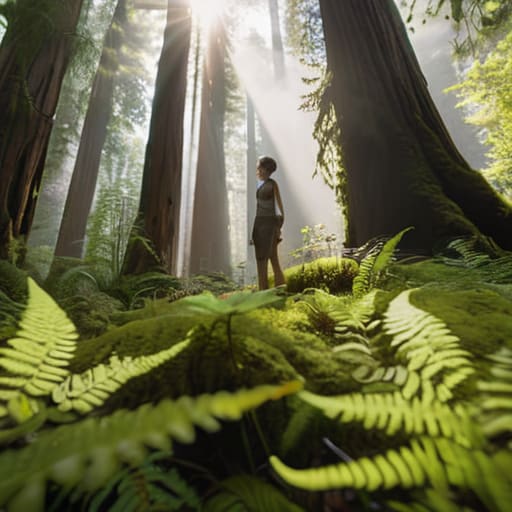
I’m so tired of seeing those aesthetic Instagram reels where “connecting with nature” means a grueling four-hour sunrise hike or an expensive weekend retreat in the mountains. If you’re like me—working a remote job and trying to keep a handful of houseplants alive—the idea of a wilderness expedition feels less like wellness and more like another item on an impossible to-do list. We need to stop pretending that the benefits of time in nature are only accessible to people with high-end hiking boots and zero responsibilities. The truth is, the real value isn’t in the distance you travel, but in how much mental static you can actually quiet.
I’m not here to sell you on a lifestyle overhaul or some lofty, spiritual transformation. Instead, I want to share the low-stakes systems I use to sneak bits of the outdoors into a chaotic workday when my brain feels like it has too many tabs open. We’re going to focus on practical, bite-sized ways to use greenery to reset your focus without needing to quit your job or buy a tent. Let’s keep it simple, manageable, and actually doable.
Nature Therapy and Stress Reduction Without the Effort

I’m not going to tell you to pack a bag and trek into the wilderness every time you feel a deadline looming. Honestly, some days I barely have the energy to water my pothos, let alone navigate a trail map. But I’ve learned that nature therapy and stress reduction don’t have to be these massive, scheduled events. Sometimes, it’s just about opening a window to let the breeze in or sitting on my balcony for five minutes without my phone.
There is actual science behind why this works, too. It’s not just “vibes”; the physiological effects of green spaces can actually lower your cortisol levels and slow your heart rate. You don’t need a forest to feel it. Even looking at a few plants on your desk or watching the light shift through the trees in your neighborhood can help reset your nervous system. It’s about those tiny, low-effort ways to signal to your brain that you aren’t actually in a high-stakes survival situation, even when your inbox says otherwise.
How Natural Light on Circadian Rhythm Fixes Your Sleep

I used to think my sleep issues were just a byproduct of too much caffeine or staring at my laptop until midnight, but it turns out I was ignoring the most basic biological cue: sunlight. There is a massive impact of natural light on circadian rhythm that we often overlook in our windowless offices or dimly lit apartments. When you get actual sunlight into your eyes early in the day, you’re essentially sending a biological “start” signal to your brain. It sets a timer for melatonin production later that evening, making it much easier to actually drift off rather than staring at the ceiling for two hours.
You don’t need to go on a sunrise trek to make this work. For me, it’s just about opening the blinds immediately or stepping onto the balcony with my coffee for five minutes. It’s a low-effort way to anchor your internal clock. When you prioritize this kind of consistent light exposure, you aren’t just fixing your sleep schedule; you’re reducing that heavy, foggy feeling that usually hits around 3:00 PM. It’s one of those tiny, repeatable wins that makes the rest of the day feel significantly less chaotic.
Low-Effort Ways to Bring the Outside In
- Don’t overthink the “nature” part. If you can’t get to a trail, just open a window for fifteen minutes while you drink your coffee. The fresh air and the actual sound of the wind do more for my brain than any white noise machine ever could.
- If you’re stuck at a desk all day, try the 20-20-20 rule but with a view. Every twenty minutes, look at something at least twenty feet away—ideally something green, like a tree outside or even just your pothos plant. It stops that specific kind of digital eye strain that makes you feel exhausted by 3 PM.
- Use your lunch break as a hard boundary. Even if it’s just a ten-minute loop around the block, physically leaving the four walls of your workspace prevents that feeling of being perpetually “on.” It’s a circuit breaker for your stress levels.
- Bring some greenery to your workspace. I know, I know—you’re busy. But keeping a single, low-maintenance plant on your desk isn’t just for aesthetics; having something living and non-digital in your peripheral vision makes a cubicle feel significantly less like a cage.
- Listen to the real thing. If you’re having one of those days where even stepping outside feels like too much work, put on a high-quality recording of rainfall or forest sounds. It’s not a perfect substitute for actual sunlight, but it’s a decent way to trick your nervous system into calming down when you’re stuck indoors.
The Low-Effort Nature Cheat Sheet
Stop waiting for a weekend hiking trip to reset; even five minutes of looking at a tree or sitting on a porch counts as a win for your stress levels.
Use morning sunlight as a tool, not a chore—just getting some natural light in your eyes early on is the easiest way to stop fighting your sleep schedule.
Focus on “micro-dosing” nature when you’re exhausted, because a system that requires high motivation is a system that’s going to fail you.
Keeping It Low-Stakes

At the end of the day, you don’t need to overhaul your entire lifestyle or commit to a weekend-long camping trip to see the benefits. We’ve talked about how even a few minutes of natural light can help reset your sleep cycle and how just sitting on a park bench can act as a buffer against daily burnout. The goal isn’t to become a professional hiker; it’s simply to realize that nature is a tool you can use to lower your baseline stress without needing a massive amount of willpower or a specialized gear list.
If you’re feeling overwhelmed, don’t treat “getting outside” as another demanding item on your to-do list. Instead, view it as a way to reclaim a little bit of mental space when everything else feels loud and cluttered. Whether it’s opening a window while you work or walking to the coffee shop via the tree-lined route, these small moments add up. You don’t have to optimize your time in the sun; you just have to show up for yourself in whatever small, manageable way you can. Let’s focus on those small, repeatable wins that make the rest of the week feel just a little bit lighter.
Frequently Asked Questions
I don't live near a park or a forest; can I still get these benefits if I'm stuck in a concrete jungle?
Honestly, I get it. I spent years in a tiny apartment with nothing but a view of a brick wall, so I know that “go for a hike” advice feels useless when you’re stuck in the city. You don’t need a forest; you just need a break from the artificial. Even a single tree on a street corner or a few minutes on a balcony with a window box helps. It’s about finding those tiny cracks in the concrete.
How much time do I actually need to spend outside to notice a difference in my stress levels?
Look, if you’re waiting for a sign to go on a three-day camping trip to “reset,” you’re going to be waiting a long time. Honestly? I’ve found that even fifteen minutes makes a dent. It doesn’t have to be a hike; it’s just about getting away from the blue light and the notifications. If you can manage twenty minutes of actual sunlight and fresh air during a lunch break, you’ll feel the shift.
Does it matter if it's sunny out, or can a cloudy, gray day still help with my mental clarity?
Honestly, don’t let a gray sky stop you. I used to think I needed a perfect, sunny afternoon to feel “recharged,” but that’s just adding more pressure to an already busy day. Even on a cloudy afternoon, the shift in light and the fresh air do more for my brain than staring at my dual-monitor setup ever could. It’s not about the vitamin D; it’s about the sensory break from the indoors.


I believe that life doesn't need to be optimized to perfection, just made slightly more manageable. My goal is to help you find systems that actually work when you're tired, not just when you're motivated. Let's focus on small, repeatable wins that clear the path for what actually matters.