Natural Methods for Keeping Pests Out of Your House
I was halfway through a deep-focus work session, trying to enjoy the satisfying click of my new mechanical keyboard, when I saw it: a single, tiny ant trekking across my desk toward a stray crumb. My immediate instinct wasn’t to call an expensive exterminator or buy every toxic spray on the shelf, but rather to realize that my “organized” workspace was actually a buffet. Most advice on how to prevent pests at home makes it sound like you need to turn your apartment into a sterile, airtight laboratory, but let’s be real—that is completely impossible.
I’m not here to sell you on high-priced chemical foggers or a twenty-step cleaning ritual that requires you to spend your entire Saturday scrubbing baseboards. Instead, I want to share the small, low-effort tweaks I’ve learned through trial and error that actually work when you’re too tired to deep-clean. We’re going to focus on practical, sustainable habits that keep the uninvited guests away without making your life feel like a chore. Let’s just focus on making your space a little less inviting to them, so you can get back to what actually matters.
Identifying Common Household Pests Without the Panic
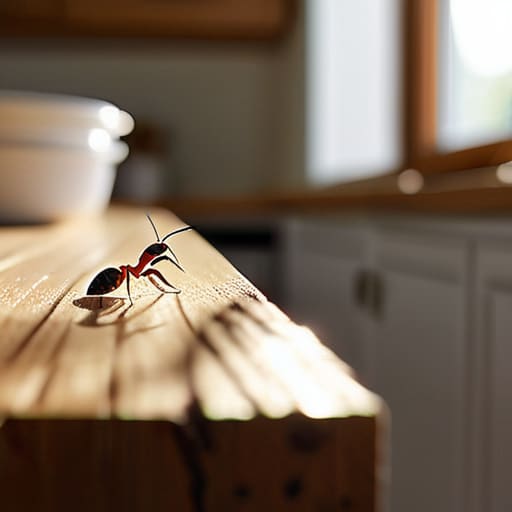
Before you go buying a fleet of heavy-duty traps or calling an exterminator, you need to figure out who exactly is crashing your party. I’ve learned that identifying common household pests is mostly a game of observation rather than a frantic search. Instead of panicking when you see a single bug, look for the patterns. Are there tiny black specks near the baseboards? That might be roach droppings. Is there a steady line of tiny workers trailing toward the sugar bowl? That’s your ant situation.
The trick is to look where they hide, not just where they wander. I usually do a quick sweep of the “dark zones”—under the sink, behind the fridge, or near the pantry. If you notice a damp, musty smell or see little trails near a leaky pipe, you’re likely looking at a moisture issue. Once you know what you’re dealing with, you can stop guessing. Knowing whether you’re fighting a crumb-seeker or a moisture-lover makes the actual cleanup feel way less overwhelming and a lot more targeted.
Sealing Cracks and Crevices for Pest Control on Autopilot
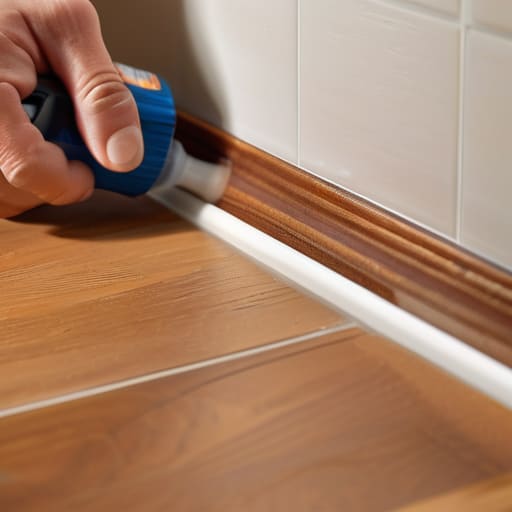
I used to think that if I just kept things clean, I’d be fine. But after a particularly bad ant invasion last summer, I realized that cleanliness is only half the battle. You can scrub your counters until they shine, but if there’s a gap under your baseboard, you’re essentially leaving the front door unlocked. Sealing cracks and crevices for pest control is one of those tedious tasks that feels like a chore until you realize it’s actually a one-time fix that saves you weeks of frustration later.
I keep a tube of silicone caulk and some heavy-duty expanding foam in my utility closet for exactly this reason. Take twenty minutes on a Sunday to walk around your kitchen and bathroom, looking specifically at where the pipes meet the wall or where the floorboards meet the cabinets. Filling those tiny entry points is much more effective than constantly spraying natural insect repellent for homes in an attempt to chase them away. It’s about building a barrier so you aren’t playing a game of whack-a-mole every time you turn on the lights.
Five Low-Maintenance Habits to Keep the Uninvited Guests Out
- Stop letting dishes sit in the sink overnight. I know, after a long shift, the last thing you want to do is scrub a pan, but that little bit of leftover sauce is basically a neon sign for ants and roaches. If you can’t wash them, at least rinse them off and put them in the dishwasher.
- Manage your trash situation like a pro. Don’t just use any old bin; get one with a tight-sealing lid. If you’re dealing with food scraps, try to take that bag out every couple of days instead of letting it sit in the kitchen for a week. It’s a small chore, but it pays off in peace of mind.
- Keep your pantry organized and, more importantly, sealed. Transferring open bags of flour, cereal, or crackers into airtight glass or plastic containers isn’t just about aesthetics—it’s about making sure a pantry moth doesn’t decide your snack stash is their new home.
- Watch your moisture levels. Pests love a damp environment, so check under your sinks for any slow leaks or condensation. Even a tiny drip can turn a dry cabinet into a perfect breeding ground. If you see a leak, fix it immediately; don’t just put a towel under it and hope for the best.
- Don’t forget the entryway. If you have a porch or a mudroom, keep it relatively clear of debris and old leaves. A pile of damp leaves against your foundation is basically an invitation for spiders and centipedes to move in close to your walls.
The Low-Stress Summary
Don’t wait for an infestation to act; a quick scan for cracks or crumbs once a week is usually enough to keep things from escalating.
Focus on the “entry points”—sealing gaps around pipes and windows is a much better long-term investment than constant spraying.
Keep your systems simple. You don’t need a professional-grade cleaning schedule, just a few consistent habits that prevent the “uninvited guests” from moving in.
Keeping the Chaos at Bay
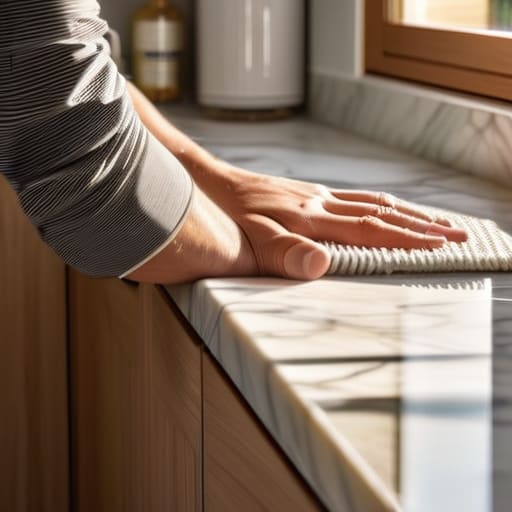
At the end of the day, preventing pests isn’t about running a military-grade sterilization operation every weekend; it’s just about closing the doors they use to get in. We’ve talked about identifying what you’re actually dealing with so you don’t waste money on the wrong sprays, and how a little bit of caulk in the right places can act like a permanent security system for your kitchen. If you can manage to keep your counters clear of crumbs and your trash tucked away, you’ve already done 80% of the heavy lifting. It’s about low-effort consistency rather than a one-time deep clean that leaves you exhausted.
I know how it feels when a tiny unexpected visitor makes you want to pack up and move out entirely, but try not to let it derail your peace. Life is messy, and our homes are lived-in spaces, not sterile museum exhibits. You don’t need to achieve a state of perfect, bug-free zen to be successful here. Just focus on those small, repeatable wins—like a quick sweep of the floor before bed or checking a window screen—and let those habits do the work for you. You’ve got this, and your home will be a much more manageable sanctuary because of it.
Frequently Asked Questions
Are there specific natural deterrents that actually work, or is it all just marketing hype?
Honestly, a lot of it is hype. Most “pest repellent” sprays are just overpriced essential oils that smell nice but won’t stop an infestation. That said, a few things actually hold their ground. Peppermint oil is decent for keeping spiders at bay if you use a concentrated spray, and keeping diatomaceous earth on hand is a total game-changer for ants. They aren’t magic, but they’re low-effort tools that actually do something.
If I see one bug, does that mean I've already got a full-blown infestation on my hands?
Not necessarily, but it’s a signal to pay attention. Seeing a single bug—especially a roach or a termite—is usually a sign that the “perimeter” has been breached. It doesn’t always mean there’s a colony under your floorboards, but it does mean the conditions are right for them. Don’t panic, just treat it as a prompt to check your pantry and tighten up those seals we talked about before it becomes a bigger headache.
How much of this is actually about cleaning versus just fixing the physical structure of the house?
Honestly, it’s a bit of both, but they serve different purposes. Fixing the structure—like sealing those gaps under the sink—is about closing the doors so they can’t get in. Cleaning is about making sure there isn’t a buffet waiting for them once they do. If you only clean, you’re fighting a losing battle; if you only fix the house, you’re still leaving out invitations via crumbs. You need both to actually win.


I believe that life doesn't need to be optimized to perfection, just made slightly more manageable. My goal is to help you find systems that actually work when you're tired, not just when you're motivated. Let's focus on small, repeatable wins that clear the path for what actually matters.