How to Make Your Next Move Much Less Stressful
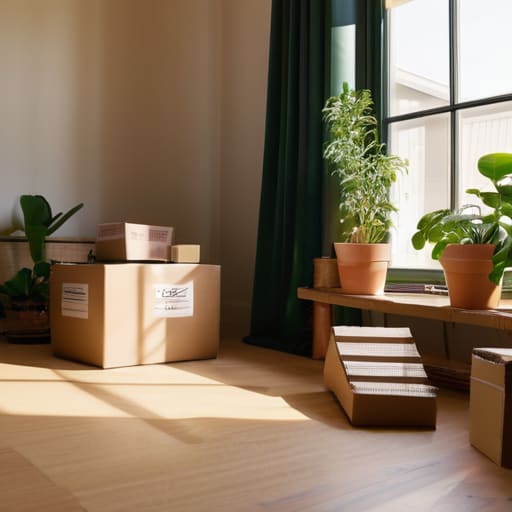
I’ll never understand the obsession with those “perfectly color-coded” moving guides that suggest you need a specialized labeling system for every single item in your life. Honestly, most of those high-end moving tips feel like they were written by people who have never actually had to wrap a stack of plates while their back is aching and their brain is fried. I spent my last move staring at a mountain of bubble wrap, feeling completely paralyzed by the sheer volume of decisions I had to make, and I realized that the “perfect” way is usually just the most exhausting way.
I’m not here to sell you on a lifestyle of hyper-organized cardboard boxes that you’ll just unpack and toss anyway. Instead, I want to share the systems that actually held up when I was too tired to care about aesthetics. We’re going to focus on low-friction moving tips that prioritize your sanity over perfection. My goal is to help you get through the chaos with a few small, repeatable wins so that you can actually enjoy your new space instead of just recovering from the move.
A Realistic Relocation Planning Timeline for Low Energy Days
If you try to plan your entire move in one frantic weekend, you’re going to burn out before you even touch a roll of tape. Instead, I use a loose relocation planning timeline that accounts for the days when my brain feels like mush. Four weeks out, your only job is the heavy lifting of mental prep: researching movers or deciding if you’re doing a DIY rental. Don’t worry about the fine details yet; just get the big decisions out of the way so they stop humming in the back of your mind.
Two weeks out is when I tackle the “low-stakes” tasks. This is the time for decluttering before moving—specifically the stuff that doesn’t require much physical effort, like going through your digital files or sorting through that one junk drawer. If you’re feeling exhausted, just commit to one small area. Once you have your rhythm, spend a little time gathering your packing supplies essentials like sturdy boxes and decent tape. Having everything on hand means you won’t have to make a frantic, mid-exhaustion run to the store later.
Decluttering Before Moving Without the Perfectionist Guilt
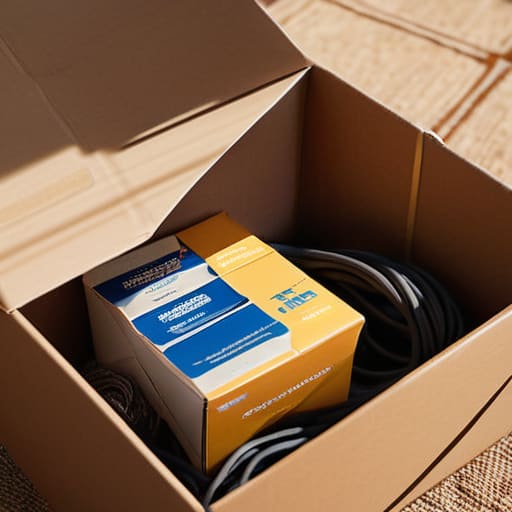
Here is the truth: most of us approach decluttering like it’s a high-stakes Marie Kondo episode, and it’s exhausting. We tell ourselves we’ll go through every single drawer, but then we hit a wall of fatigue and give up. My advice? Stop trying to “curate” your life and just focus on decluttering before moving by targeting the obvious stuff first. I’m talking about the expired pantry items, the clothes that haven’t fit in three years, and those random cables from electronics you don’t even own anymore. If you can’t decide on an item within five seconds, put it in a “maybe” box. Don’t let a single sentimental trinket derail your momentum.
Instead of a massive weekend purge, try the “one box a day” rule. It keeps the process manageable and prevents that overwhelming feeling of looking at a mountain of junk. As you clear the clutter, you’ll actually start to see your packing supplies essentials more clearly—you’ll know exactly how many boxes you truly need rather than overbuying. This isn’t about being perfect; it’s about making sure you aren’t paying a moving crew to transport things you were just going to throw away anyway.
Five ways to keep the chaos contained
- Pack an “Open First” box for the essentials. I’m talking about your coffee maker, chargers, basic tools, a change of clothes, and whatever meds you take. You don’t want to be digging through twenty taped-up cardboard boxes at midnight just to find your toothbrush.
- Label your boxes by room and priority. Instead of just writing “Kitchen,” try “Kitchen – Daily Use” for the stuff you need immediately, and “Kitchen – Pantry” for the heavy stuff you won’t touch until next week. It saves so much mental energy when you’re exhausted.
- Don’t try to “organize” as you pack. If you start trying to color-code your books or perfectly nest your Tupperware, you’ll burn out before the truck even arrives. Just get the stuff in the box, tape it up, and move on. You can organize once you’re settled in the new place.
- Use your linens as padding. Instead of buying a massive amount of bubble wrap, wrap your breakables in your towels, sweatshirts, or even thick socks. It saves money and means you have fewer random piles of fabric to unpack later.
- Take photos of your tech setup before you unplug anything. I know it feels like a chore, but having a quick visual reference of where the wires go for your router or your desk setup will save you an hour of frustration on move-in day.
The Low-Friction Moving Cheat Sheet
Forget the “perfect” system; just aim for one small, repeatable win each day, like packing a single drawer or labeling one box, to keep the momentum going without the burnout.
Prioritize your “survival kit” (essentials like chargers, basic toiletries, and a change of clothes) so you aren’t digging through twenty taped-up boxes just to find a toothbrush on night one.
Give yourself permission to leave the clutter behind instead of trying to organize it; if you haven’t used it in a year, it’s not worth the physical or mental energy of moving it to a new space.
The Finish Line (And What Comes Next)

At the end of the day, moving isn’t about having a perfectly color-coded moving truck or a flawlessly labeled inventory list. It’s about the systems we built to keep us from crashing—the realistic timelines that accounted for our bad moods, the decluttering that prioritized our sanity over sentimental guilt, and the small, manageable chunks of progress we made when we were too exhausted to do anything else. If you end up with a few mismatched boxes or a drawer that stays unpacked for a week, it is not a failure. You focused on the high-impact essentials that actually kept your life running, and that is a massive win in my book.
Once the dust settles and you finally find your coffee maker in one of those boxes, take a second to breathe. Moving is one of life’s biggest disruptions, and it’s okay if you feel a little frayed around the edges. Don’t feel pressured to turn your new place into a Pinterest-perfect sanctuary by next weekend. Just focus on making your bed, finding your favorite mug, and creating one small, functional corner where you can actually feel at home. You’ve done the hard part; now, just let yourself settle in.
Frequently Asked Questions
How do I handle moving fragile stuff like my plants or expensive keyboard gear without breaking the bank on supplies?
For my plants and mechanical keyboards, I skip the expensive specialty kits. I reuse what I already have: old towels and thick sweaters are better than bubble wrap for cushioning keycaps or delicate stems. For plants, I use old newspaper to wrap the soil surface and secure the pot in a sturdy cardboard box with more fabric scraps. It’s not pretty, but it’s free, functional, and keeps my gear—and my sanity—intact.
What’s the best way to keep track of everything when I’m living out of boxes for the first few weeks?
The “open box” phase is where everything usually falls apart. Honestly, don’t try to unpack everything at once. I use a “survival zone” method: I keep one specific box for essentials—coffee maker, chargers, basic meds, and my planner—and keep it accessible. For everything else, I use a simple labeling system on the floor: “Kitchen,” “Bedding,” or “Office.” It’s not pretty, but it stops that frantic, mid-morning scramble for a spoon.
How much of my stuff should I actually try to unpack on day one versus just leaving it in boxes?
Honestly? Don’t try to “set up the house.” That’s a recipe for burnout by 8 PM. Focus on the “Survival Three”: your bed, your bathroom essentials, and one kitchen box with a coffee maker and a few plates. Everything else can stay taped shut. If you can shower, sleep, and make caffeine, you’ve won day one. The rest of the boxes are just obstacles until you actually have the energy to face them.


I believe that life doesn't need to be optimized to perfection, just made slightly more manageable. My goal is to help you find systems that actually work when you're tired, not just when you're motivated. Let's focus on small, repeatable wins that clear the path for what actually matters.