Improving Your Gut Health: Easy Steps to Feeling Better

I am so tired of seeing “gut health basics” turned into a $200-a-month subscription to overpriced probiotic powders and aesthetic wellness powders that taste like chalk. If I see one more influencer claim that a single green juice will magically reset your entire digestive system, I might actually lose it. We’ve been sold this idea that wellness has to be expensive and incredibly complicated to work, but honestly, that’s just unnecessary friction. Most of the time, when my stomach feels like a chaotic mess after a high-stress week at work, the solution isn’t a luxury supplement—it’s something much more grounded.
I’m not here to give you a life overhaul or a list of impossible dietary restrictions that will fall apart by Tuesday. Instead, I want to share the low-effort systems I’ve actually used to keep things steady when life gets loud. We’re going to focus on small, repeatable wins—like adding one simple fermented food to your lunch or just being a bit more intentional with fiber—that actually stick. My goal is to help you navigate the real-world basics of gut health without needing a PhD or a massive budget.
Understanding Microbiome Balance Explained Without the Overwhelm

Think of your gut like a crowded, busy transit station. When everything is running on schedule, people move smoothly, and the station stays clean. That’s what we mean when we talk about microbiome balance explained in a way that actually makes sense: it’s just a delicate equilibrium between the “good” bacteria doing the heavy lifting and the less helpful ones trying to cause a bottleneck. When that balance shifts, you start noticing the fallout—things like constant bloating or that weird, heavy brain fog that makes a Tuesday feel like a marathon.
It’s also worth noting that this isn’t just about your stomach; there is a massive gut-brain axis connection happening behind the scenes. Your gut and your brain are essentially on a constant, two-way group chat, sending signals back and forth all day. If your digestion is a mess, your mood and focus are likely going to take a hit, too. Instead of trying to overhaul your entire biology overnight, just focus on feeding the good guys. It’s less about a total system reboot and more about keeping the commuters moving.
Recognizing the Real Signs of Poor Gut Health

It’s easy to dismiss a little bloating or a random afternoon energy crash as “just part of being an adult.” I used to do the same thing, assuming my coffee-fueled lifestyle was just the price of admission. But if you start noticing a pattern of brain fog, skin breakouts, or even sudden mood swings, your body might be trying to tell you something. These are common signs of poor gut health that we often ignore because they feel too disconnected from our digestion to be related.
The truth is, the gut-brain axis connection is much tighter than we realize. When things are off in your microbiome, it doesn’t just stay in your stomach; it leaks into your mental clarity and your temperament. If you feel like you’re constantly running on empty or experiencing “unexplained” irritability, don’t just reach for more caffeine. Instead, look at whether your system is struggling to process what you’re feeding it. It’s usually not about a massive medical crisis, but rather a sign that your internal ecosystem is just a little bit out of sync.
Low-Stakes Swaps for a Happier Gut
- Don’t overhaul your pantry overnight; just try adding one fermented thing to your day. Whether it’s a spoonful of kimchi on your rice bowl or a glass of kefir, these small additions introduce helpful bacteria without requiring a massive lifestyle shift.
- Focus on fiber, but do it incrementally. If you suddenly jump from a low-fiber diet to a massive bean salad, you’re just going to feel bloated and regret everything. Add a handful of berries or some chia seeds to your breakfast first to let your system adjust.
- Hydration is the unsexy hero here. If you’re dehydrated, your digestion is going to feel sluggish and heavy. Keep a dedicated water bottle at your desk—not as a wellness ritual, but as a functional tool to keep things moving.
- Prioritize “real” food when you actually have the energy to cook. When you’re exhausted and reaching for processed snacks, try to grab something with a single ingredient, like an apple or some nuts. It’s less about being “perfect” and more about reducing the amount of artificial stuff your gut has to process.
- Watch your stress levels, even if it sounds cliché. I’ve noticed that when my work calendar gets chaotic, my stomach follows suit. Taking five minutes to just sit still or step away from the screen isn’t just for your mental health—it actually helps your digestive system function more predictably.
The Low-Effort Gut Health Cheat Sheet
Stop chasing perfection; focus on adding one small thing—like a scoop of yogurt or a side of kimchi—rather than trying to overhaul your entire pantry overnight.
Listen to your body’s subtle cues, like brain fog or weird bloating, because they’re often more reliable indicators of gut issues than any rigid checklist.
Prioritize consistency over intensity, because a sustainable, simple routine is much more effective than a restrictive diet you’ll abandon by Wednesday.
Taking the First Step (Without the Stress)
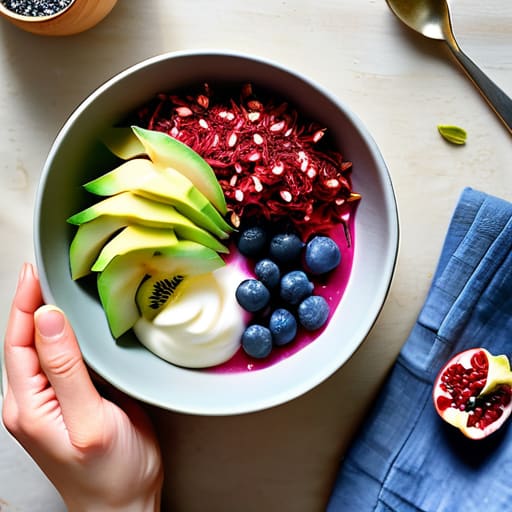
Look, we’ve covered a lot, and I know it can feel like a lot to manage. From understanding how your microbiome actually functions to recognizing those subtle signals your body is sending—like that midday brain fog or constant bloating—the goal isn’t to become a walking medical textbook. You don’t need to overhaul your entire pantry by Monday morning. Instead, just keep the focus on the basics: adding a little more fiber, incorporating some fermented foods, and paying attention to how your body reacts to different meals. It’s about noticing the patterns rather than chasing a perfect, sterile diet that you’ll eventually abandon.
If you feel overwhelmed, just pick one thing to change this week. Maybe it’s just adding a scoop of Greek yogurt to your breakfast or swapping one processed snack for a piece of fruit. My philosophy has always been that consistency beats intensity every single time. You don’t need to be a wellness guru to feel better; you just need to create a few small, repeatable wins that make your daily life feel a little less chaotic. Start small, be patient with yourself, and let your body find its rhythm at its own pace.
Frequently Asked Questions
Do I really need to buy expensive probiotic supplements, or can I just get what I need from regular groceries?
Honestly? Save your money. I’m all about efficiency, and spending fifty bucks on a fancy supplement bottle feels like a lot of friction for very little guaranteed return. Unless a doctor specifically told you otherwise, you can get more than enough “good stuff” from things like Greek yogurt, kimchi, or even just extra fiber from veggies. Focus on adding those real foods to your grocery list first; it’s much easier to sustain when you’re tired.
How long does it actually take to notice a difference once I start changing what I eat?
Honestly, I wish I could say it’s overnight, but it’s more of a slow burn. You might feel a bit less bloated within a few days of cutting back on the processed stuff, but real, systemic changes usually take about two to four weeks of consistency. Don’t get discouraged if you don’t feel like a new person by Tuesday. Just focus on the small, repeatable wins and let your body catch up.
If I have a sensitive stomach, how do I add more fiber without making the bloating even worse?
The mistake I used to make was treating fiber like an all-or-nothing project. If you go from zero to sixty with kale salads, your stomach will absolutely revolt. Instead, think in micro-steps. Swap your white rice for a little bit of quinoa, or add just a spoonful of chia seeds to your yogurt. The goal is to trick your system into adjusting slowly. And please, drink more water than you think you need—fiber needs it to move.


I believe that life doesn't need to be optimized to perfection, just made slightly more manageable. My goal is to help you find systems that actually work when you're tired, not just when you're motivated. Let's focus on small, repeatable wins that clear the path for what actually matters.