How to Develop Sustainable Healthy Eating Patterns
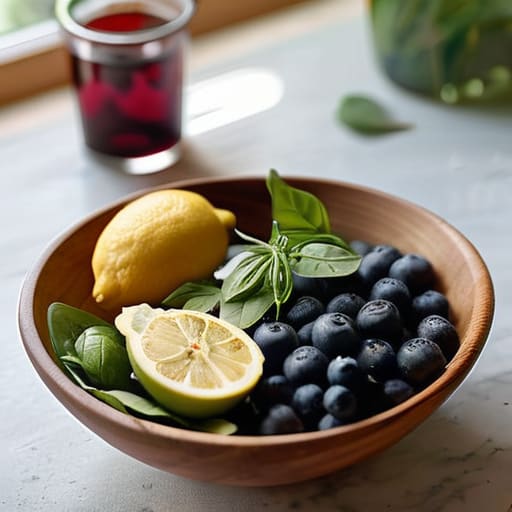
I’m so tired of seeing “wellness influencers” claim that learning how to build better eating habits requires a $200 grocery haul of organic microgreens and a color-coded meal prep container for every single ingredient. It’s exhausting, it’s expensive, and frankly, it’s a lie that ignores how we actually live. Most of us aren’t living in a curated kitchen with endless free time; we’re managing remote workflows, fighting back burnout, and trying to decide if we have the energy to cook something more complex than toast. When you’re staring at a mountain of emails at 6:00 PM, a perfectly optimized diet is the last thing your brain wants to process.
I’m not here to sell you on a lifestyle overhaul that falls apart the second you have a stressful Tuesday. Instead, I want to share the small, low-friction systems I’ve actually used to make my nutrition feel manageable rather than like another chore on my to-do list. We’re going to focus on realistic, repeatable wins that work even when you’re running on empty. No fluff, no expensive supplements—just practical ways to make better choices that actually stick.
Sustainable Nutrition Changes for the Real World
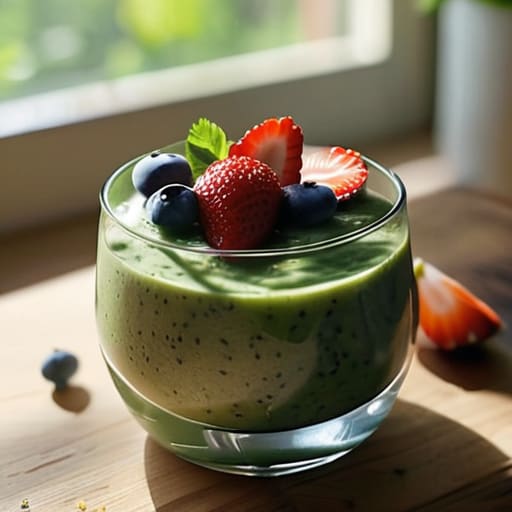
The biggest mistake I see is the “all or nothing” trap. We decide on Monday that we’re going to eat nothing but steamed kale and quinoa, only to find ourselves face-down in a bag of chips by Wednesday night because we’re exhausted. Real, sustainable nutrition changes don’t happen through sheer willpower; they happen through low-friction systems. Instead of a rigid diet, I focus on adding things rather than just subtracting. If I add a handful of spinach to my morning smoothie or a side of protein to my lunch, I’m winning without feeling deprived.
If you’re feeling overwhelmed, I highly recommend starting with some basic meal planning for beginners that doesn’t involve spending six hours in the kitchen on a Sunday. You don’t need elaborate recipes; you just need a repeatable framework. I keep a “template” of meals—like a grain bowl or a simple protein and veggie stir-fry—that I can assemble in ten minutes. When you have a pre-decided plan, you stop making decisions when you’re hungry and tired, which is usually when the most stressful food choices happen.
Meal Planning for Beginners Who Hate Complexity
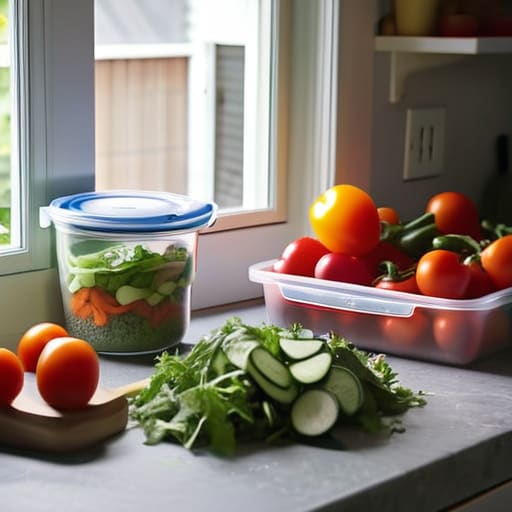
If you’re anything like me, the idea of spending five hours on a Sunday afternoon chopping vegetables and portioning out Tupperware feels less like “wellness” and more like a second job. Most advice on meal planning for beginners assumes you have infinite energy and a pristine kitchen, but real life usually involves a deadline at 4:00 PM and a pile of laundry calling your name.
Instead of trying to engineer a perfect weekly menu, I’ve found success with the “component method.” Rather than cooking full recipes, I just prep a few versatile building blocks: a grain, a roasted veggie, and a protein. This keeps things flexible so you aren’t stuck eating the exact same chicken and broccoli bowl four days in a row. It’s about reducing the number of decisions you have to make when you’re hungry and tired.
I also swear by simple nutritional meal prep tips that don’t require a spreadsheet. Keep a “emergency” shelf in your pantry with things like canned beans, quick-cook quinoa, or frozen spinach. Having these on hand prevents that frantic, last-minute takeout order when your brain is too fried to function. It’s not about being a chef; it’s about lowering the barrier to entry for a decent meal.
Five Low-Friction Wins for Your Kitchen
- The “Plus-One” Rule: Don’t overhaul your entire pantry overnight. Instead, just try to add one thing to what you’re already eating. If you’re having pasta, throw in a handful of pre-washed spinach. If it’s breakfast, add a hard-boiled egg. It’s much easier to build on top of existing habits than to tear them down and start from scratch.
- Stock Your “Emergency” Shelf: We all have those Tuesday nights where the brain fog hits and the idea of chopping an onion feels like climbing Everest. Keep a small stash of low-effort, semi-healthy staples—like canned beans, frozen veggies, or high-quality jarred pesto—so you aren’t forced to default to takeout every time you’re exhausted.
- Master the “Assembly” Meal: Stop thinking you need to “cook” every single night. Some of my best eating habits come from just assembling things: a rotisserie chicken, a bag of mixed greens, and some pre-cooked quinoa. It’s not gourmet, but it’s fuel, and it takes zero mental energy.
- Use Visual Cues, Not Willpower: If I put a bowl of fruit on the counter, I eat it. If it’s hidden in the crisper drawer behind a bag of old kale, it dies. Keep the things you actually want to eat at eye level and easily accessible. If you have to hunt for your healthy options, you won’t choose them when you’re hungry.
- Forgive the Off-Days: This is the big one. You’re going to have nights where you eat cereal for dinner or order a pizza because you just can’t deal. That’s fine. The goal isn’t a perfect streak; it’s just making sure that one “bad” meal doesn’t turn into a bad week. Just pick up where you left off at the next meal.
The Bottom Line: Keeping It Manageable
Forget the “all-or-nothing” mindset; focus on small, repeatable swaps that don’t require a total lifestyle overhaul to feel successful.
Build your system around your lowest-energy moments, ensuring you have easy, low-friction food options ready for when motivation fails.
Prioritize consistency over perfection by choosing a few simple habits you can actually maintain when life gets chaotic.
Finding Your Own Rhythm
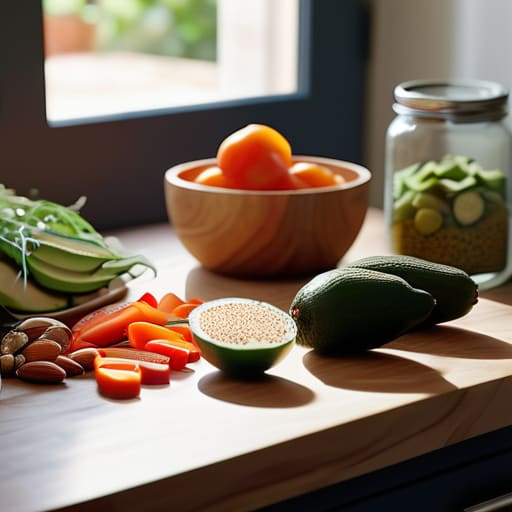
At the end of the day, building better eating habits isn’t about achieving some impossible standard of nutritional perfection or following a rigid, soul-crushing meal plan. It’s really just about the small, practical shifts we discussed: simplifying your grocery runs, finding those low-effort wins for your busiest nights, and building a system that survives your worst moods. If you can focus on reducing the friction between you and a decent meal, you’ve already won half the battle. Remember, a slightly better choice made consistently is always more effective than a perfect choice that you can only manage once a week.
Don’t let the pressure to “get it right” stop you from even starting. Life is messy, and your kitchen will be too, and that is perfectly okay. My goal isn’t to help you become a person who never eats takeout again; it’s to help you become someone who feels in control of their choices rather than a slave to their cravings or their exhaustion. Start small, be kind to yourself when things go off the rails, and just aim for a little more ease tomorrow than you had today. You’ve got this.
Frequently Asked Questions
How do I stick to these habits when my schedule suddenly goes off the rails?
This is where most systems fail—they assume your life is a straight line. It’s not. When my schedule hits a wall, I stop trying to “eat healthy” and just focus on “not making it worse.” I keep a “survival kit” of low-effort staples, like frozen veggies or canned beans, so I don’t default to takeout. If you can’t follow the plan, just aim for the smallest, easiest win available. Survival mode is still progress.
What should I do on the days when I literally don't have the energy to cook anything at all?
Look, we’ve all been there—the kind of exhaustion where even deciding what to eat feels like a marathon. On those days, forget the recipes. Lean on your “emergency pantry.” I keep canned beans, frozen veggies, and pre-cooked grains on hand for exactly this reason. A bowl of beans and rice takes five minutes and zero brainpower. It’s not a gourmet meal, but it’s fuel, and that’s a win in my book.
Is it worth trying to prep everything on Sunday, or is that just setting myself up for burnout?
Honestly? For most people, full-scale Sunday meal prepping is a one-way ticket to burnout. I used to spend four hours every Sunday in a kitchen frenzy, only to realize by Wednesday I was sick of the same three flavors. Instead, try “component prepping.” Roast a big batch of veggies, cook some grains, and prep one protein. It gives you building blocks rather than rigid meals, making it much easier to pivot when life gets messy.


I believe that life doesn't need to be optimized to perfection, just made slightly more manageable. My goal is to help you find systems that actually work when you're tired, not just when you're motivated. Let's focus on small, repeatable wins that clear the path for what actually matters.