Free Self-care Ideas for Better Mental Health
I used to think self-care meant booking a weekend at a spa or spending three hours on a complicated skincare routine, but honestly? Most days, I don’t even have the energy to find my matching socks. We’ve been sold this idea that wellness has to be another high-effort task on our to-do lists, which just adds more pressure to an already crowded schedule. When you’re running on fumes, searching for meaningful self care ideas shouldn’t feel like another job you’re failing at. It’s easy to get lost in the “optimization” trap, but real rest is often much quieter and far less aesthetic than what you see on your feed.
Instead of suggesting massive lifestyle overhauls, I want to share five small, low-friction ways to reclaim your sanity. These are my go-to tactics for when life feels a bit too loud and my brain feels a bit too heavy. We’re going to focus on micro-wins—simple, repeatable actions that actually work when you’re exhausted, not just when you’re feeling motivated. By the end of this, you’ll have a handful of realistic tools to help you lower the noise and just breathe a little easier.
The Five-Minute Reset
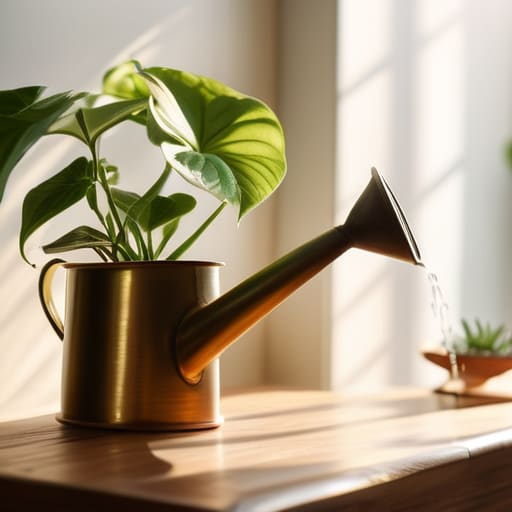
We’ve all seen those influencers with their hour-long morning routines involving matcha whisks and meditation cushions. Honestly? I don’t have time for that, and most days, I don’t have the mental bandwidth either. Instead, I rely on the five-minute reset. This is just about picking one tiny, physical task that makes my immediate environment feel less chaotic, like clearing the coffee mugs off my desk or watering my pothos.
Digital Sunset Lite
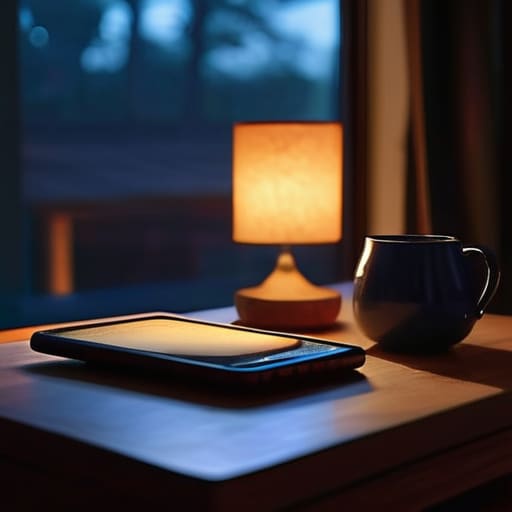
My job involves staring at spreadsheets and Slack notifications all day, so my brain is usually fried by 7:00 PM. I used to try to do a total digital detox, but I quickly realized that’s unrealistic when you have a life to manage. Now, I practice what I call “Digital Sunset Lite.” This means I don’t necessarily throw my phone in a drawer, but I do turn off non-essential notifications for everything except my actual humans.
Low-Stakes Movement
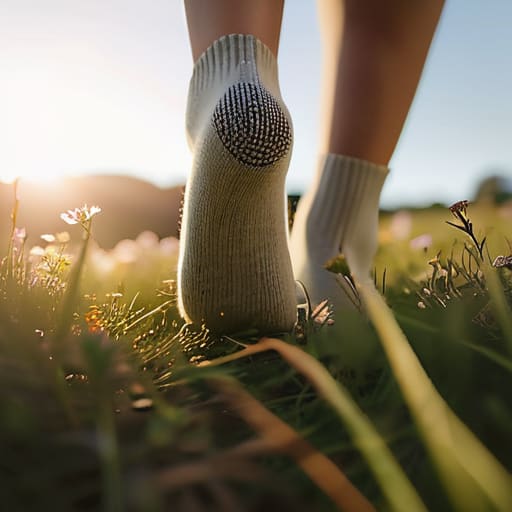
I am definitely not a “gym person” in the sense that I don’t find joy in high-intensity interval training at 6:00 AM. On the days when my energy is bottoming out, the idea of a heavy workout feels more like a chore than a treat. Instead, I opt for low-stakes movement—basically, just moving my body in a way that doesn’t require a pre-planned itinerary.
The "One-Task" Evening
One of the biggest sources of my Sunday-night anxiety used to be the sheer volume of things I needed to do to “prepare” for the week. I felt like I had to meal prep, laundry, and organize my entire life in a single evening. Now, I’ve shifted to the “One-Task” rule. I pick exactly one thing that will make my Monday morning slightly less friction-filled.
Sensory Grounding
When my brain starts looping through every mistake I made in that 10:00 AM meeting, I have to find a way to get out of my head and back into my body. I’ve found that leaning into small, pleasant sensory experiences is the fastest way to do this. For me, it’s usually something tactile, like the weight of a heavy blanket or the specific clicky satisfaction of my mechanical keyboard when I’m doing something mindless.
The Bottom Line
Stop aiming for a “perfect” wellness routine; if a habit feels like a chore, it’s not self-care, it’s just another item on your to-do list.
Focus on low-friction wins that work even when your brain is fried and your motivation is zero.
The goal isn’t to transform your entire life overnight, but to make tomorrow feel just a little bit lighter.
Finding Your Own Rhythm
At the end of the day, self-care isn’t about adding more tasks to your to-do list or forcing yourself into a rigid, aesthetic routine that looks good on a mood board but feels exhausting in practice. Whether it’s just stepping away from your screen for five minutes, tidying one single surface in your apartment, or finally letting yourself order takeout when the kitchen feels too overwhelming, the goal is the same. It’s about choosing the smallest possible friction-reducer available to you in the moment. You don’t need a complete lifestyle overhaul to feel a difference; you just need to recognize which of these tiny adjustments actually helps you catch your breath.
Please, stop feeling guilty for not being “optimized.” Some days are for deep work and high energy, and other days are strictly for survival and low-stakes maintenance. If all you managed to do today was drink a glass of water and keep your planner in your bag, consider that a win. Life is messy and unpredictable, so your systems should be flexible enough to bend without breaking. Focus on those small, repeatable wins that keep you steady when things get chaotic. You aren’t failing because you’re tired; you’re just human, and that’s perfectly okay.
Frequently Asked Questions
How do I actually stick to these small habits when I'm having a particularly bad week?
Honestly? You don’t. Some weeks, the system breaks, and that’s fine. When I’m having a rough one, I stop trying to “stick to the habit” and just aim for the absolute bare minimum. If my goal is a 10-minute tidy but I can only manage picking up three things off the floor, I count that as a win. Don’t let the pursuit of consistency become another source of stress. Just show up, even if it’s messy.
Can these ideas work if I have zero budget or very limited free time?
Honestly, that’s the whole point. If a self-care routine requires a subscription or an hour of meditation, it’s just another chore on my to-do list. Most of these are about shifting how you spend the minutes you already have—like drinking a glass of water before your coffee or actually sitting down while you eat. These aren’t “investments”; they’re just tiny, free ways to stop feeling like you’re constantly running on empty.
How do I tell the difference between actual self-care and just procrastinating on things I need to do?
The easiest way to tell is by how you feel afterward. Real self-care leaves you feeling a little more capable, even if it was just a twenty-minute nap or a quick walk. Procrastination, on the other hand, usually feels heavy—it’s that low-grade anxiety that follows you while you’re scrolling. If you’re using “rest” to avoid a task that’s actually weighing you down, you aren’t recharging; you’re just stalling.


I believe that life doesn't need to be optimized to perfection, just made slightly more manageable. My goal is to help you find systems that actually work when you're tired, not just when you're motivated. Let's focus on small, repeatable wins that clear the path for what actually matters.