Essential Sleep Hygiene Habits for Deeper Rest
I am so tired of seeing those “ultimate” sleep guides that require you to buy a $2,000 weighted blanket, a smart ring, and a specialized sunrise lamp just to get a decent night’s rest. Honestly, most of the advice floating around regarding sleep hygiene tips feels like it was written for people with unlimited time and zero actual responsibilities. If you’re like me—balancing a remote workload, a messy apartment, and a brain that refuses to shut off at 11 PM—you don’t need a lifestyle overhaul; you just need to stop feeling like a zombie every single morning.
I’m not here to sell you on a complicated ten-step ritual that you’ll abandon by Tuesday. Instead, I want to share the low-effort, high-impact shifts that actually worked for me when I was hitting a wall. We’re going to focus on small, repeatable wins that fit into a real, slightly chaotic life. No fluff, no expensive gadgets—just practical ways to help your brain finally power down so you can actually function tomorrow.
Low Effort Habits for Improving Sleep Quality Naturally
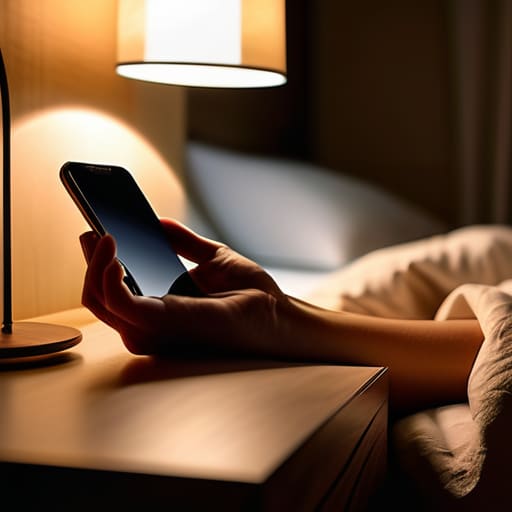
Look, I know the idea of a “perfect” bedtime routine feels like another chore on an already overflowing to-do list. If you’re exhausted, the last thing you want to do is follow a complex ritual. Instead, focus on one or two things that require almost zero willpower. For me, that started with blue light exposure reduction—not by buying fancy glasses, but just by setting my phone to “Night Shift” mode automatically at 8:00 PM. It’s a tiny tweak, but it stops that harsh glare from tricking my brain into thinking it’s still midday.
Another thing that actually moved the needle for me was optimizing my sleep environment without a total bedroom makeover. I didn’t redecorate; I just invested in some blackout curtains and a heavier blanket. It’s about removing the friction that keeps you awake. If your room is too bright or too loud, your brain stays on high alert. By making the space slightly darker and cooler, you’re doing the heavy lifting for your body’s natural processes so you don’t have to.
Small Wins for Circadian Rhythm Regulation Without the Stress

I used to think that circadian rhythm regulation meant I had to follow some rigid, military-grade schedule, but that just led to more stress. In reality, it’s more about working with your body’s natural cues rather than fighting them. One of the easiest things I’ve started doing is seeking out actual sunlight within thirty minutes of waking up. Even if it’s just standing by the window while my coffee brews, that hit of morning light tells my brain the day has officially started, which helps set the timer for when I’ll actually feel sleepy later on.
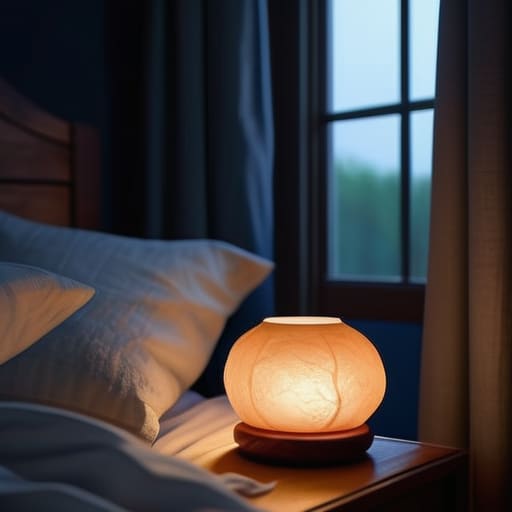
The second piece of the puzzle is managing your evening light levels. We all know about blue light exposure reduction, but you don’t need to sit in a pitch-black room to see results. I just swap my bright overhead lights for a small, warm-toned lamp an hour before bed. It’s a low-effort way of signaling to your system that it’s time to wind down. It’s not about being perfect; it’s just about creating those tiny environmental cues that make the transition to sleep feel less like a chore and more like a natural slide into rest.
The "bare minimum" checklist for a better night
- Stop trying to curate a 90-minute wind-down ritual. If you’re exhausted, just commit to one thing: plugging your phone in across the room. If it’s not within arm’s reach, you won’t spend an hour doomscrolling in the dark.
- Don’t worry about perfect room temperature, but if you can, crack a window or turn on a fan. It’s much easier to fall asleep when you aren’t fighting a stuffy, warm room.
- If your brain starts racing the second your head hits the pillow, keep a physical notepad on your nightstand. Write down the three things you’re stressing about for tomorrow so your brain feels like it has “permission” to stop processing them.
- You don’t need to overhaul your entire diet, but try to move your last heavy meal or that late-night caffeine hit to a few hours earlier. Even a small buffer helps prevent that restless, heavy feeling in your stomach.
- Be realistic about “consistency.” If you can’t go to bed at the exact same time every night, just try to keep your wake-up time within a reasonable window. It’s less stressful than trying to force a perfect schedule that you’ll inevitably break by Tuesday.
The bottom line
Forget the 12-step nighttime rituals you see on social media; focus on one or two high-impact changes, like moving your charger away from your bed, that actually stick.
Consistency matters more than perfection. If you miss a night of a good routine, don’t scrap the whole thing—just try to get back to your baseline the next day.
Listen to your body’s signals rather than a strict clock. Use small, manageable adjustments to help your brain power down, rather than forcing a “perfect” sleep schedule that feels like another chore on your to-do list.
Just pick one thing

At the end of the day, you don’t need to overhaul your entire existence to see a difference in how you feel when the alarm goes off. We’ve talked about everything from ditching the phone an hour before bed to finding small ways to sync up with your natural rhythm, but the truth is, you don’t have to do all of it at once. If you try to implement a dozen new “sleep protocols” on a Tuesday night when you’re already exhausted, you’re just going to end up frustrated. Focus on one small, repeatable win—maybe it’s just keeping your bedroom a little cooler or finally getting that physical planner to help you brain-dump your to-do list before hitting the pillow.
My philosophy has always been that systems should serve you, not the other way around. If a certain habit feels like a chore, it’s probably not the right one for your current season of life. Be kind to yourself on the nights when you stay up too late scrolling or when your schedule gets completely derailed; sleep hygiene isn’t about achieving a state of perfect zen, it’s about building a little bit of grace into your routine. Just aim for slightly more manageable mornings, and let the rest settle into place as you go.
Frequently Asked Questions
What do I do if my brain just won't shut up the second my head hits the pillow?
I call this the “brain loop,” and honestly, it’s the worst. When my mind starts racing through everything I forgot to do or that weird thing I said in 2014, I stop trying to fight it. Instead, I grab my physical planner from the nightstand and do a “brain dump.” I write down every single nagging thought or task. Once it’s on paper, my brain feels like it’s been given permission to stop holding onto it.
Is it actually worth the effort to get a blackout curtain, or can I just use a cheap sleep mask?
Honestly? It depends on your budget and how much you value “set it and forget it.” If you’re a traveler or a renter, a decent sleep mask is a total lifesaver—it’s low-effort and works instantly. But if you have a window that lets in a constant, annoying streetlamp glow, blackout curtains are worth the investment. They eliminate the visual friction entirely so you don’t have to adjust a mask every time you roll over.
How much does caffeine actually mess with my sleep if I only drink it in the morning?
Honestly, if you’re sticking to your morning coffee, you’re already ahead of the game. For most people, a cup before noon won’t ruin their night. The real issue is the half-life; caffeine lingers in your system much longer than that initial buzz. If you find yourself staring at the ceiling at 2 AM, try pulling your cutoff time back to 10 AM or 11 AM. It’s a small tweak, but it makes a massive difference.


I believe that life doesn't need to be optimized to perfection, just made slightly more manageable. My goal is to help you find systems that actually work when you're tired, not just when you're motivated. Let's focus on small, repeatable wins that clear the path for what actually matters.