Effective Strategies for Managing Daily Anxiety

I was sitting at my desk last Tuesday, staring at a spreadsheet that refused to make sense, when I realized my heart was racing for absolutely no reason. I wasn’t in danger; I was just overwhelmed by the sheer friction of my own to-do list. Most “wellness” influencers would tell you to go on a silent retreat or buy a $50 weighted blanket, but let’s be real: when you’re spiraling in the middle of a workday, you don’t need a lifestyle overhaul. You need to know how to manage anxiety without having to quit your job or spend three hours meditating.
I’m not here to sell you on some aesthetic, perfectly curated version of mental health. My approach is much more grounded in the messy reality of being an adult with a career and a life to run. I want to share the small, low-effort systems I actually use to stop the spiral when I’m too exhausted to “self-care” properly. We’re going to focus on tiny, repeatable wins—the kind of practical tactics that actually work when your brain is noisy and your energy is low.
Natural Anxiety Relief Techniques for Your Low Energy Days
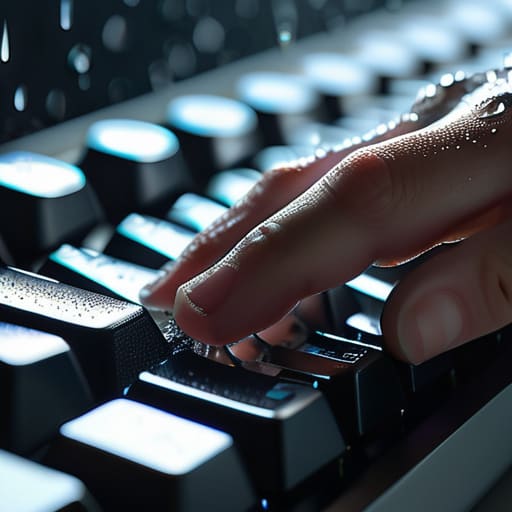
When you’re in that headspace where even the idea of “doing yoga” feels like an exhausting chore, you need natural anxiety relief techniques that require zero prep work. I’ve found that when my brain is stuck in a loop, sensory grounding is my best friend. Instead of trying to force a meditative state, I just focus on something physical. This might mean holding a cold glass of water or even just noticing the texture of my mechanical keyboard under my fingertips. It’s a way of using mindfulness for anxiety reduction without the pressure of sitting cross-legged in silence for twenty minutes.
If your heart starts racing and you feel that familiar tightness in your chest, don’t fight the physical sensation—it only makes it louder. This is where simple breathing exercises for stress become a literal lifeline. I don’t do anything fancy; I just focus on making my exhale longer than my inhale. It’s a tiny, biological hack to tell your nervous system that you aren’t actually in danger. These aren’t permanent fixes, but they are effective ways to lower the volume of the panic just enough so you can breathe again.
Simple Breathing Exercises for Stress That Dont Require Focus

Most people tell you to sit cross-legged on a floor and “focus on your breath,” but let’s be real: when my chest feels tight, the last thing I want to do is perform a complex meditation. If you’re looking for breathing exercises for stress that don’t require a zen mindset, try the “Box Breathing” method, but do it while you’re doing something else. I usually do it while I’m waiting for my coffee to brew or even while I’m staring blankly at my inbox. You just inhale for four, hold for four, exhale for four, and hold for four. It’s mechanical, it’s rhythmic, and it gives your brain a tiny, repetitive task to latch onto so it stops spiraling.
Another trick I use when I feel a spike of tension is the physiological sigh. It’s essentially two quick inhales through the nose followed by one long, slow exhale through your mouth. It’s one of my favorite natural anxiety relief techniques because it’s almost impossible to do wrong. You don’t need to clear your mind or achieve a state of enlightenment; you’re just using your biology to signal to your nervous system that you aren’t actually in danger.
Low-Friction Habits for When Your Brain Won't Shut Up
- The “One-Task” Rule: When the anxiety makes everything feel like a giant, insurmountable mountain, stop looking at the peak. Pick one tiny, mindless task—like clearing off your desk or putting one load of laundry in—and make that your entire world for ten minutes. It’s not about being productive; it’s about proving to your brain that you can still complete a cycle.
- Sensory Grounding (The Lazy Version): If you’re spiraling, don’t try to meditate—that’s too much work. Instead, grab something with a strong texture, like a cold glass of water or a soft blanket, or even just notice the weight of your feet on the floor. It’s a quick way to pull your focus out of your head and back into your body without needing any mental discipline.
- The Brain Dump: I keep a notepad by my bed for a reason. When the “what-ifs” start looping, grab a pen and just scribble them all down. Don’t worry about making it a neat list or finding solutions; just get the noise out of your skull and onto the paper so your brain feels like it doesn’t have to hold onto it so tightly.
- Curate Your Digital Noise: When I’m feeling high-strung, I immediately mute certain group chats or step away from the news. If your phone is constantly pinging with demands or stressful headlines, your nervous system never gets a chance to reset. It’s okay to go “dark” for a few hours to protect your headspace.
- Lower the Bar on “Self-Care”: Forget the expensive face masks or the hour-long yoga sessions. Real self-care on bad days is just the basics: drinking a glass of water, changing into clean socks, or sitting in a different room for five minutes. If you can’t do the big things, just do the smallest possible version of them.
The Bottom Line: Managing the Overwhelm
Forget the “all-or-nothing” approach to mental health; if you can only manage one tiny, low-effort task today, that counts as a win.
Build a toolkit of “autopilot” habits—like specific breathing patterns or sensory distractions—that you can lean on when your brain is too tired to make decisions.
Focus on reducing friction in your immediate environment to stop small, physical stressors from fueling your internal anxiety.
Small Wins, Not Perfection

If you’re feeling overwhelmed right now, please remember that you don’t need to master every breathing technique or overhaul your entire lifestyle in one afternoon. We’ve talked about using low-effort sensory tools, finding breathing exercises that don’t require intense concentration, and leaning into natural relief when your energy is bottoming out. The goal isn’t to reach a state of permanent, Zen-like calm—that’s not realistic for most of us. Instead, the goal is to build a toolbox of tiny, manageable interventions that help you ride out the wave when things feel heavy. Focus on the one thing that feels easiest to do right now, even if it’s just sitting still for sixty seconds.
At the end of the day, managing anxiety is less about “fixing” yourself and more about being a little kinder to yourself when things get loud. Some days you’ll implement these systems perfectly, and other days you’ll just be trying to make it to bedtime. Both versions of you are doing fine. Life is messy and unpredictable, but you don’t have to navigate the chaos with a perfect plan; you just need a few reliable, low-friction habits to help you find your footing. Take it one small, repeatable win at a time. You’ve got this.
Frequently Asked Questions
How do I deal with anxiety when I’m actually in the middle of a meeting or a social situation and can't just step away?
When you’re stuck in a meeting and your heart starts racing, you can’t exactly go meditate in a dark room. I usually rely on “invisible” grounding. Try the toe-curl trick: press your toes firmly into the soles of your shoes and focus entirely on that physical sensation. It pulls your brain out of a spiral and back into your body without anyone noticing. It’s a tiny, private way to reclaim a bit of control.
What’s the difference between "productive" stress and when anxiety is actually becoming a problem that needs more than just lifestyle tweaks?
There’s a massive difference between “productive” stress—that nervous energy that actually helps you meet a deadline—and the kind of anxiety that just paralyzes you. Productive stress feels like a push; it’s uncomfortable, but you’re still moving. Real anxiety feels like a wall. If you’re constantly stuck in “freeze” mode, losing sleep, or finding that even tiny tasks feel impossible, that’s when it’s moved past a lifestyle tweak and into something that needs professional support.
Are there any specific tech tools or apps that actually help, or do they just end up becoming another source of digital overwhelm?
Honestly, most apps just add to the noise. If a tool requires a steep learning curve or constant “maintenance,” it’s just another chore on my list. I stick to the basics: a simple noise-canceling app for focus and a basic habit tracker that doesn’t ping me every five minutes. If it doesn’t immediately lower my cognitive load, I delete it. The goal is to use tech to quiet the chaos, not fuel it.


I believe that life doesn't need to be optimized to perfection, just made slightly more manageable. My goal is to help you find systems that actually work when you're tired, not just when you're motivated. Let's focus on small, repeatable wins that clear the path for what actually matters.