An Easy Home Workout for Beginners
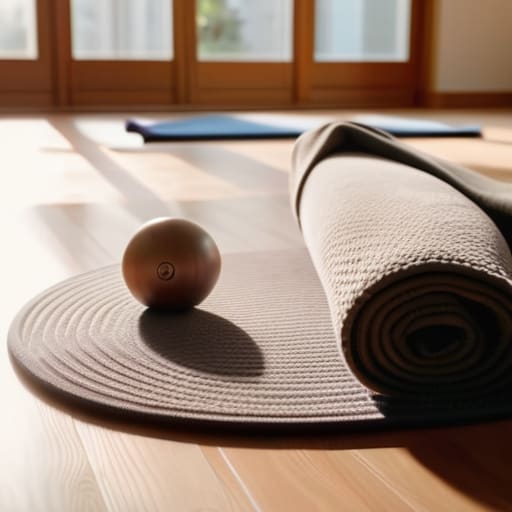
I used to think that starting a home workout for beginners meant I needed a dedicated “fitness corner,” a set of expensive dumbbells, and the kind of ironclad discipline usually reserved for Olympic athletes. I’d look at those polished fitness influencers on my feed—the ones with the matching sets and the pristine living rooms—and feel like I was already failing before I even unrolled a mat. The truth is, most of that advice is just noise designed to make you buy things you don’t need. I’ve spent too many years trying to optimize my life into something perfect, only to realize that perfection is usually the enemy of actually getting things done.
I’m not here to sell you on a grueling sixty-minute bootcamp or a lifestyle overhaul that requires superhuman willpower. Instead, I want to share the low-friction systems I actually use when I’m exhausted from a long day of operations meetings and just want to feel human again. We’re going to focus on small, repeatable wins—the kind of movements you can do in your pajamas that actually stick. This is about finding a rhythm that works for your real life, not some idealized version of it.
Building a Full Body Home Workout Routine That Actually Sticks
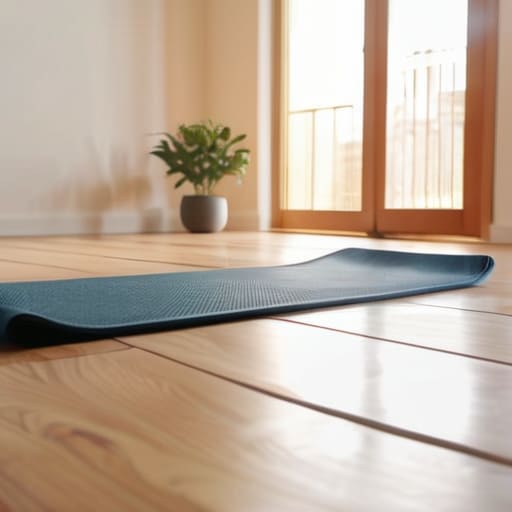
The biggest mistake I see people make is trying to do too much, too fast. You don’t need a complicated split or a gym membership to see progress; you just need a few reliable bodyweight exercises for beginners that hit every major muscle group. I like to focus on the “big moves”—squats, push-ups (even if they’re on your knees), and lunges. If you can do those, you’re already doing more than most. The goal isn’t to burn yourself out by Tuesday; it’s to build a full body home workout routine that feels doable even on the days when your brain is fried from work.
To make this stick, I suggest keeping your sessions short and varied. Instead of aiming for an hour, try a circuit of three to five movements. This kind of no equipment strength training is perfect because there’s zero friction—you don’t have to pack a bag or drive anywhere. Just clear a small space on your rug, set a timer, and move. If you focus on consistency over intensity, you’ll actually start looking forward to it rather than dreading the effort.
Low Impact Home Exercises for When Youre Feeling Depleted
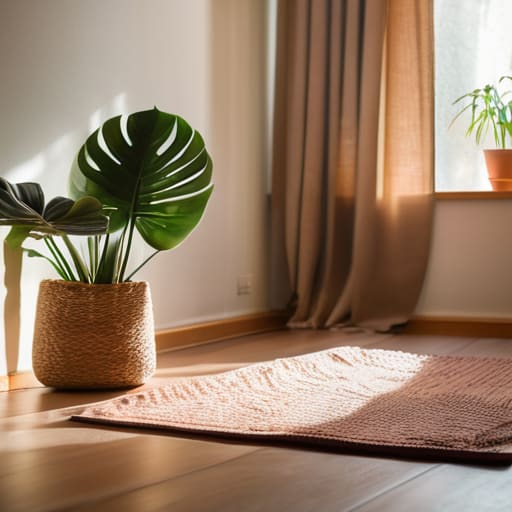
Some days, the idea of a high-intensity session feels less like a “health goal” and more like a personal insult. I’ve had plenty of those afternoons where my brain is fried from back-to-back meetings and my energy levels are hovering near zero. On those days, I don’t push for a heavy sweat; I pivot to low impact home exercises that keep my body moving without triggering a total burnout. Think of it as maintenance rather than a transformation.
Instead of jumping into a rigorous routine, I focus on slow, controlled movements. Things like bird-dogs, glute bridges, or even some gentle mobility work in the living room count. These aren’t meant to be intense, but they are effective no equipment strength training options that help me feel less stiff. The goal isn’t to hit a new personal best; it’s simply to prove to myself that I can show up. Even if it’s just ten minutes of stretching and light movement, it keeps the habit alive without the mental tax of a grueling session.
Five Ways to Keep Your Routine From Falling Apart
- Stop waiting for the “perfect” time. If you wait until your house is spotless and your inbox is at zero, you’ll never move. Just do ten minutes between meetings or while your coffee is brewing.
- Don’t buy the expensive gear yet. You don’t need a complete home gym to start; a yoga mat and a couple of heavy books or water bottles are more than enough to get the momentum going.
- Designate a “workout zone,” even if it’s just a specific corner of your living room. Having that physical space tells your brain it’s time to switch gears, which helps when you’re working from home.
- Track your wins, but keep it low-pressure. I use my physical planner to jot down a simple checkmark on the days I move. Seeing those marks build up is way more motivating than obsessing over calorie counts.
- Focus on consistency over intensity. It is much better to do a shaky, five-minute stretch every day than to crush a massive workout once a week and then feel too burnt out to try again for a month.
The Bottom Line
Forget the “all or nothing” mindset; a five-minute stretch counts more than a skipped workout because it keeps the habit alive.
Focus on movements that feel functional for your real life, not just what looks good on a fitness app.
Build your routine around your lowest-energy days so you don’t feel like a failure when life gets chaotic.
Finding Your Rhythm

At the end of the day, starting a home workout routine isn’t about having the most expensive yoga mat or following a grueling thirty-minute HIIT video every single morning. It’s about the small, practical decisions we discussed: building a foundation with full-body movements, knowing when to scale back to low-impact stretches when your energy is hitting zero, and—most importantly—not punishing yourself for missing a day. Whether you’re doing squats in your living room between meetings or just stretching on the floor while your coffee brews, you are building a habit. The goal isn’t to transform into a fitness influencer overnight; it’s to create a sustainable system that works even when your schedule gets messy and your motivation disappears.
Please remember that perfection is the enemy of progress. I’ve spent too many years trying to “optimize” my life only to realize that the most effective systems are the ones that allow for human error. If you only manage five minutes of movement today, count that as a win. If you decide to skip the heavy lifting and just do some gentle mobility work because you’re exhausted, that’s still a victory. Just keep showing up in whatever capacity you can. Life is going to throw curveballs, but if you focus on these small, repeatable wins, you’ll find that staying active becomes less of a chore and more of a manageable part of your day.
Frequently Asked Questions
Do I actually need to buy equipment like dumbbells or resistance bands to see progress, or can I just use what I have around the house?
Honestly? Not at all. I used to think I needed a full rack of dumbbells to make progress, but that just became another barrier to actually starting. If you’re just beginning, your own body weight is plenty of resistance. If you want to level up, grab a couple of heavy water jugs or use a backpack filled with books. Focus on the movement first; the fancy gear can wait until you’ve actually built the habit.
How do I know if I'm doing the movements correctly without a trainer there to correct my form?
Honestly, I used to worry about this constantly. My solution? Use your phone. Set it up against a water bottle and film yourself from the side. When you play it back next to a quick YouTube tutorial, the discrepancies in your posture usually jump right out at you. Also, listen to your body—if a movement feels like a sharp “ouch” rather than a dull muscle burn, stop. You don’t need a trainer; you just need a little self-awareness.
I struggle with consistency—how do I fit these workouts into a busy work week without it feeling like just another chore on my to-do list?
The trick is to stop treating your workout like a high-stakes appointment and start treating it like a transition ritual. I stopped trying to find “perfect” hour-long blocks and started using “micro-windows.” If I have ten minutes between meetings, I do one set of squats. It’s not about the intensity; it’s about the habit. If it feels like a chore, scale it back until it feels manageable. Consistency beats intensity every single time.


I believe that life doesn't need to be optimized to perfection, just made slightly more manageable. My goal is to help you find systems that actually work when you're tired, not just when you're motivated. Let's focus on small, repeatable wins that clear the path for what actually matters.