A Guide to Mindful Eating for Better Enjoyment and Health

I used to think mindful eating was just a fancy way of telling people to sit in silence with a single organic kale leaf while contemplating the universe. Every time I scrolled through wellness blogs, it felt like I was being lectured by someone who had never once tried to eat a sandwich while simultaneously answering a Slack message or managing a chaotic remote workflow. The idea that you need a dedicated meditation cushion and an hour of uninterrupted stillness just to have lunch feels completely disconnected from how most of us actually live our lives.
I’m not here to sell you on some expensive, aesthetic lifestyle that requires you to be perfectly calm 24/7. Instead, I want to talk about how to actually practice mindful eating when you’re running on four hours of sleep and your brain is fried from back-to-back meetings. I’m going to share a few small, low-effort shifts that help you reconnect with your body without turning your kitchen into a sanctuary. We’re focusing on practical wins that work even when you’re exhausted, helping you stop eating on autopilot so you actually feel fueled, not just full.
Decoding Hunger and Satiety Cues Without the Stress

The biggest hurdle for me wasn’t the food itself; it was realizing I had completely lost touch with my body’s actual signals. Most of the time, I’m eating because it’s 12:30 PM or because I’m staring at a spreadsheet and need a dopamine hit. To fix this, I started focusing on hunger and satiety cues—not as some rigid medical checklist, but as a simple internal dialogue. Before I reach for a snack, I try to ask myself: Am I actually hungry, or am I just bored and restless? It sounds basic, but that tiny pause makes a massive difference in preventing that “accidental” second helping.
Once I started paying attention, I noticed that the feeling of being “full” is actually quite subtle. It’s not a sudden stop; it’s more of a slow fade of interest in the food. Instead of aiming for a perfect nutritional plan, I just focus on emotional eating awareness. If I’m eating because I’m stressed about a deadline, no amount of salad is going to fix that feeling. Learning to recognize that distinction has been one of the most practical wins for my daily routine.
Distraction Free Eating Small Wins for Busy Evenings
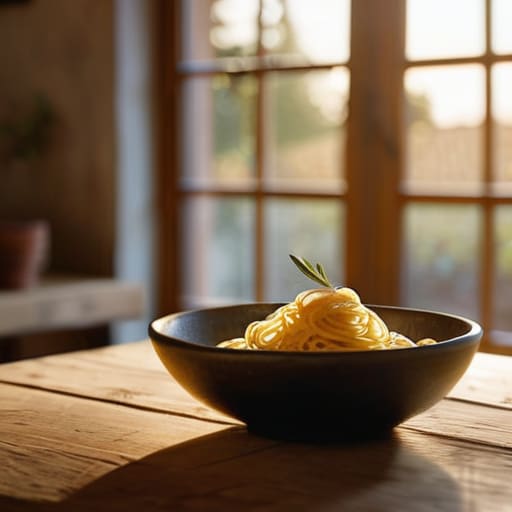
I’m not going to tell you to sit in silence with a single grain of rice. If you’ve had a long day of back-to-back Zoom calls, the last thing you want is a formal ritual. However, I’ve noticed that my worst bouts of emotional eating awareness—usually when I’m mindlessly scrolling through my phone while eating dinner—happen because I’m not actually present for the meal. I end up finishing a plate of pasta without even tasting it, only to feel heavy and unsatisfied ten minutes later.
Instead of a total overhaul, try one small win: the “no-screen” zone. Even if it’s just for the first five minutes of your meal, put the phone in another room or turn off the TV. This simple shift toward distraction-free eating allows you to actually register the flavors and textures of your food. It’s a low-effort way to practice sensory eating techniques that help you realize you’re actually full before you reach for seconds out of habit. It’s about making the meal a momentary break from the chaos, rather than just another task to check off.
Low-Effort Ways to Actually Taste Your Food
- Stop the “Phone-to-Mouth” Pipeline. I know it’s tempting to scroll through Reels while eating, but try leaving your phone in the other room for just ten minutes. It’s not about being a monk; it’s about not realizing you’ve finished an entire bowl of pasta without actually tasting a single bite.
- The Two-Minute Check-In. Before you reach for seconds, just pause. Ask yourself, “Am I actually still hungry, or am I just eating because this tastes good?” There’s no shame in eating because it’s delicious, but a quick pause helps you catch that “stuffed and uncomfortable” feeling before it hits.
- Use Smaller Plates (The Lazy Person’s Hack). If you’re having one of those days where you don’t have the mental energy to track portions, just use a smaller plate. It’s a visual trick that makes your brain feel like you’re eating a full meal, which helps prevent that mindless overeating when you’re stressed.
- Texture Over Speed. If you find yourself inhaling food, try to focus on the texture. Is it crunchy? Creamy? Warm? Focusing on the physical sensation of the food forces you to slow down naturally without you having to manually count every chew.
- Close the Kitchen “Office.” When you’re done eating, actually move. Don’t linger at the table or the counter. Clearing your plate and stepping away signals to your brain that the “eating event” is over, which helps prevent that mindless grazing that happens while you’re working or cleaning.
The Bottom Line: Making It Work When Life Gets Messy
Don’t aim for a perfect, silent dining experience every night; just try to put your phone face down for the first five minutes of a meal to reconnect with what you’re actually eating.
Learn to distinguish between “I’m actually hungry” and “I’m just stressed/bored/tired” by pausing for a second before you reach for a snack.
Focus on small, repeatable wins—like sitting at a table instead of standing over the sink—rather than trying to overhaul your entire relationship with food overnight.
Finding Your Own Rhythm

At the end of the day, mindful eating isn’t about achieving some perfect, zen-like state every time you pick up a fork. It’s really just about the small shifts we talked about: learning to actually listen to your body’s signals instead of just reacting to a clock, and carving out even just five minutes of distraction-free time during a hectic evening. You don’t have to overhaul your entire relationship with food overnight. If you can manage to put the phone down for a few bites or check in with your hunger before reaching for a snack, you’re already winning. The goal is to reduce the friction between your body and your brain, making your meals feel less like a chore and more like a way to actually refuel.
Please, be kind to yourself when things go sideways. There will be nights when you’re scrolling through social media while eating standing up over the sink, and that’s okay. Life is messy, and your eating habits will be too. The trick is to not let one distracted meal turn into a week of mindless eating. Just aim for small, repeatable wins whenever you have the capacity. We aren’t looking for perfection here; we’re just looking for a little more awareness so you can feel better in your own skin. You’ve got this.
Frequently Asked Questions
How do I tell the difference between actual hunger and just being bored or stressed?
I usually use the “apple test.” If I’m actually hungry, I’ll eat an apple (or whatever plain, nutritious thing is in my fridge). If the thought of just eating an apple sounds unappealing and I’m specifically craving something salty or sugary, I’m probably just bored, stressed, or looking for a dopamine hit. It’s a quick way to check if my body needs fuel or if my brain just needs a break.
Is it realistic to try this every single day, or is it okay to just eat on autopilot sometimes?
Honestly? If you try to do this perfectly every single day, you’re going to burn out by Tuesday. Life happens—sometimes you’re staring at a spreadsheet or catching up on a show, and you just need to zone out. That’s fine. Don’t turn “mindful eating” into another chore on your to-do list. Aim for the high-stress days or when you’re actually hungry; for the rest, just eating on autopilot is a perfectly valid survival strategy.
What do I do if I realize halfway through a meal that I’m already full but the food is too good to stop?
I’ve been there—staring at a plate of something delicious while my stomach is quietly screaming “enough.” My rule is simple: pause and put the fork down. Don’t try to power through it. If the food is truly too good to waste, portion it into a container immediately. Treat it like a gift for your future self. You aren’t failing; you’re just managing your resources so you don’t end up feeling sluggish later.


I believe that life doesn't need to be optimized to perfection, just made slightly more manageable. My goal is to help you find systems that actually work when you're tired, not just when you're motivated. Let's focus on small, repeatable wins that clear the path for what actually matters.