A Simple Morning Sequence for a More Productive Day
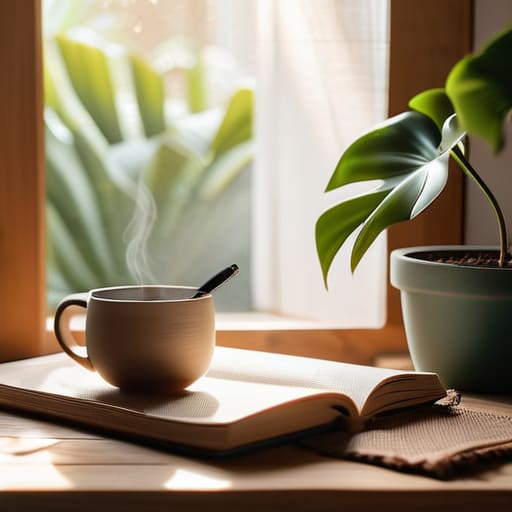
I’m so tired of seeing those aesthetic, curated videos of people waking up at 4:00 AM to meditate in silk robes and drink artisanal matcha before the sun even hits their floorboards. It’s exhausting to watch, and frankly, it’s a lie. For most of us, a real morning routine for wellness doesn’t look like a cinematic masterpiece; it looks like trying to find matching socks while your brain is still stuck in a fog. If you feel like you’re failing because you can’t maintain a perfectly optimized sunrise ritual, I’m here to tell you that the wellness industry is selling you a version of health that is fundamentally unsustainable for anyone with a real job and a real life.
I’m not interested in helping you become a productivity robot. Instead, I want to share the low-stakes systems I’ve actually been able to stick to—the ones that work even when I’m running on five hours of sleep and a deadline. We’re going to skip the expensive supplements and the hour-long yoga sessions and focus on small, repeatable wins that actually clear some mental space. My goal is to help you build a routine that feels manageable, not like another chore on your to-do list.
Gentle Morning Hydration Benefits for the Unmotivated
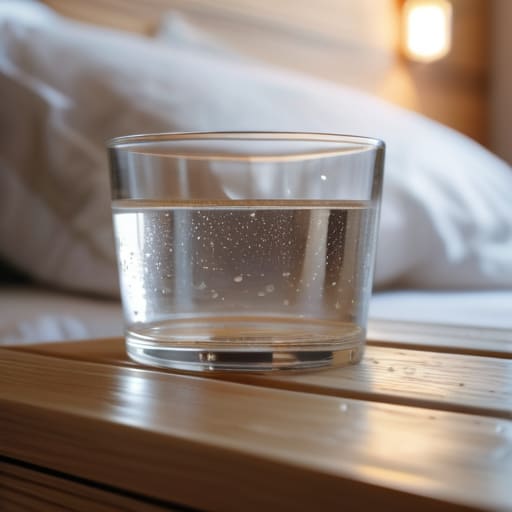
Look, I know the idea of a “wellness ritual” sounds exhausting. When my alarm goes off, the last thing I want to do is perform a complex ceremony involving lemon water and expensive powders. But if you can manage one thing, make it just a glass of water. One of the most underrated morning hydration benefits is how quickly it helps clear that heavy, post-sleep brain fog. I’ve found that drinking a full glass before I even touch my coffee is the easiest way to start improving mental clarity in the morning without actually having to exert any real effort.
It’s not about being a health guru; it’s about physiological maintenance. When you’re dehydrated, your brain feels sluggish, which makes every small task—like answering an email or even feeding my plants—feel twice as heavy. By making hydration a non-negotiable, low-effort habit, you’re essentially giving your system a gentle nudge to wake up. It’s a tiny, low-stakes win that sets a decent baseline for the rest of your day, even if everything else feels like a bit of a mess.
Small Daily Wellness Rituals That Dont Feel Like Chores
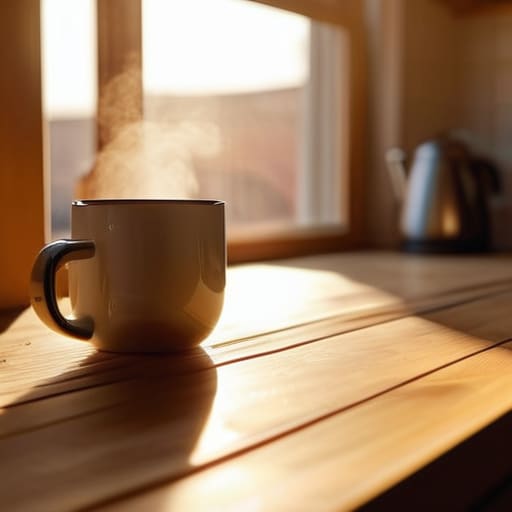
The problem with most advice on daily wellness rituals is that it assumes you have an hour of silence and a pristine kitchen to work with. In reality, most of us are just trying to find matching socks while the coffee brews. Instead of trying to force a meditation session, try something low-effort, like morning sunlight exposure. Just opening the blinds or standing on your balcony for two minutes while you wait for your toast can do wonders for your circadian rhythm. It’s not about being a monk; it’s just about signaling to your brain that the day has actually started.
Another thing that helps me when my brain feels like mush is a “micro-movement” break. I’m not talking about a full yoga flow—I don’t have the headspace for that at 7:00 AM. I just mean a quick, two-minute stretch or even just a mindful walk to the mailbox. These tiny, stress reduction techniques act as a buffer between your sleep state and the chaos of your inbox. If it feels like a chore, you’re doing too much. Keep it small enough that you can do it even on your worst days.
Low-Effort Habits for When Your Brain Isn't Fully Online
- The “One-Minute Sunlight Hit.” You don’t need a meditative walk in the woods. Just open your blinds or step onto your balcony for sixty seconds while your coffee brews. It tells your brain the day has actually started without requiring any actual cardio.
- Brain Dumping Before the Screen. I used to grab my phone immediately, which is a recipe for instant anxiety. Now, I keep my physical pocket planner by my bed. I spend two minutes scribbling down whatever is nagging at me—errands, worries, or that weird email I forgot to send—just to get it out of my head and onto the paper.
- The “No-Decision” Outfit. Decision fatigue is real, and it hits hardest at 7:00 AM. I’ve started setting out my clothes the night before, even if it’s just basic loungewear. Eliminating that one tiny choice saves a surprising amount of mental energy for the actual work ahead.
- Micro-Movement, Not Workouts. If the idea of a 30-minute yoga flow feels like a mountain, don’t do it. Just do three slow stretches while you’re waiting for the shower to get warm. It’s about signaling to your body that it’s awake, not about hitting a personal best.
- Controlled Information Intake. Try to delay checking your notifications for at least fifteen minutes. If you start your day reacting to everyone else’s demands, you’re playing defense from the jump. Give yourself a small window of time where you are the only person you have to answer to.
The Bottom Line: Making It Stick
Stop aiming for a “perfect” routine; aim for a “functional” one that you can actually maintain on your worst days.
Focus on low-friction wins—like drinking water or moving your body for two minutes—rather than complex, multi-step rituals.
Build your wellness around what you actually have the energy for, not what a productivity influencer says you should be doing.
Low-Stakes Wins
At the end of the day, your morning doesn’t need to look like a curated aesthetic video on social media to be successful. We’ve talked about everything from simple hydration to those tiny, non-negotiable rituals that keep you grounded. The goal isn’t to check off a massive list of wellness tasks before 8:00 AM; it’s about finding those small, repeatable wins that make the rest of your day feel slightly less chaotic. Whether it’s just drinking a glass of water or taking two minutes to sit in silence, these habits are meant to serve you, not become another item on your growing to-do list.
Please, be kind to yourself on the mornings when none of this works. There will be days when you hit snooze five times and skip the hydration entirely, and that is perfectly okay. Real wellness isn’t about achieving a flawless streak; it’s about having a system that is flexible enough to survive your worst days. Focus on the tiny adjustments that actually fit into your real, messy life. If you can manage just one small thing tomorrow, you’ve already won.
Frequently Asked Questions
What if I wake up late and feel like I've already failed my routine before it even starts?
Look, I’ve been there. You wake up, see it’s 8:45 AM, and immediately feel like the day is a write-off. But here’s the thing: your routine isn’t a pass/fail test; it’s just a toolkit. If you missed your “ideal” window, don’t try to cram everything in. Just pick one tiny thing—maybe just drinking a glass of water or stretching for sixty seconds—and call it a win. Reset the clock right now.
How do I balance these wellness habits with a busy morning commute or a hectic work schedule?
Look, the idea that you need a quiet hour of meditation before you can “do” wellness is a lie. If you’re commuting, your wellness happens in the gaps. Use your drive for a specific podcast instead of the news, or if you’re on the train, that’s your cue to do a quick breathing exercise. Don’t try to add new tasks; just layer these tiny habits onto things you’re already doing. Make them part of the transit, not an extra hurdle.
Are there any specific wellness habits that actually feel like a waste of time when I'm low on energy?
Honestly? The “aesthetic” wellness trends. If you’re running on fumes, trying to follow a 45-minute guided meditation or a complex journaling prompt feels like a second job. It’s just more mental clutter. When I’m low on energy, I skip the heavy lifting. Don’t force a “mindful” ritual if it feels like a chore; that’s just adding more friction to an already hard day. Just stick to the basics and call it a win.


I believe that life doesn't need to be optimized to perfection, just made slightly more manageable. My goal is to help you find systems that actually work when you're tired, not just when you're motivated. Let's focus on small, repeatable wins that clear the path for what actually matters.