Reducing Screen Time to Improve Mental Clarity

I was sitting on my floor last Tuesday, surrounded by half-replanted succulents and a disassembled mechanical keyboard, when I realized I’d been scrolling through short-form videos for forty-five minutes. I wasn’t even enjoying it; I was just staring. We’ve all been told that the solution to digital burnout is some massive, life-altering “digital detox” or deleting every social app you own, but let’s be real: that’s a recipe for immediate failure. Most advice on how to lower screen time feels like it was written by someone who doesn’t actually have a job or a life to manage. It’s too intense, too rigid, and frankly, completely unsustainable when you’re exhausted after a ten-hour workday.
I’m not here to sell you on a lifestyle overhaul that requires superhuman willpower. Instead, I want to share the small, low-friction tweaks that actually stuck for me—the ones that work even when my brain feels like mush. We’re going to focus on realistic boundaries and tiny, repeatable wins that reclaim your focus without making you feel like you’re living in a cave. No hype, no perfectionism, just practical systems that actually work in the real world.
Building Digital Wellbeing Habits That Actually Stick

The mistake most of us make is treating digital detoxes like a crash diet. You go cold turkey for forty-eight hours, feel miserable, and then end up scrolling for three hours straight on Monday morning because you have no actual system in place. If you want to build digital wellbeing habits that don’t crumble the moment you’re stressed, you have to stop aiming for perfection. Instead of a total blackout, try implementing “friction points.” This might mean moving your most addictive apps off your home screen or putting your charger in a different room entirely.
I’ve found that the most effective way to handle this is by focusing on low-stakes consistency. For example, if you’re interested in improving sleep hygiene through technology reduction, don’t try to ban all screens at 8:00 PM. Just try setting a “no phone in bed” rule. It’s a small, repeatable win that feels doable even when you’re exhausted. The goal isn’t to become a monk; it’s just to make sure your phone isn’t the thing dictating how your evening ends.
Limiting Social Media Usage When Your Willpower Is Low
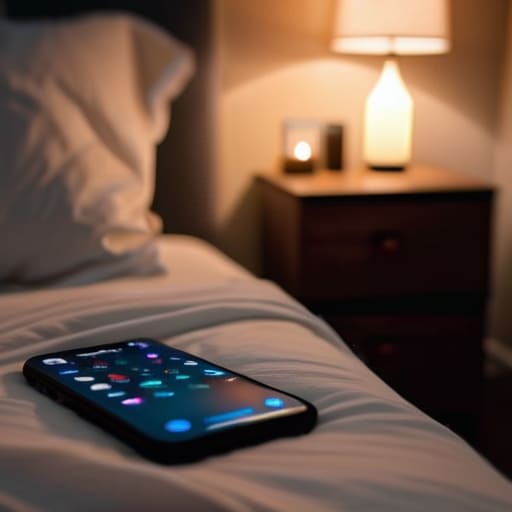
We’ve all been there: it’s 11:00 PM, you’re exhausted, and suddenly you’ve spent forty minutes scrolling through Reels of people making sourdough bread you’ll never actually bake. When your willpower is non-existent, “discipline” feels like a cruel joke. Instead of fighting your brain, try making the apps harder to access. I started moving my most addictive social media apps off my home screen and into a folder tucked away on the third page of my phone. It sounds silly, but that extra three seconds of searching creates just enough friction to break the autopilot loop before you get sucked in.
If that isn’t enough, lean on technology to fight technology. I use screen time management apps not to lock myself out entirely—because that usually leads to a binge later—but to set gentle nudges. Setting a “soft limit” for Instagram helps me recognize when I’ve crossed the line from relaxing to mindless scrolling. It’s not about perfect limiting social media usage; it’s about creating a safety net for those moments when you’re too tired to self-regulate.
Small tweaks to reclaim your focus
- Turn your phone to grayscale. It sounds boring because it is, but stripping away those bright, dopamine-triggering colors makes apps like Instagram or TikTok feel a lot less addictive and a lot more like a digital textbook.
- Designate “phone-free zones” in your apartment. I started by making my bed a no-phone area; if I want to scroll, I have to sit in the chair. It sounds silly, but it stops that mindless habit of scrolling until my neck aches.
- Use a physical alarm clock. One of my biggest friction points was reaching for my phone the second I woke up just to turn off the alarm. Now, my phone stays across the room, and I don’t fall into a thirty-minute scrolling rabbit hole before I’ve even brushed my teeth.
- Audit your notifications, but keep the “human” ones. I went through and muted everything that wasn’t a direct message or a text from a real person. You don’t need your phone buzzing to tell you a random app has a sale or someone liked a photo.
- The “one-tab” rule for desktop work. When I’m feeling overwhelmed by my remote workflow, I force myself to only have one browser tab open at a time. It stops the urge to jump from a work task to a news site or a YouTube video every five minutes.
The bottom line
Stop aiming for a total digital detox; instead, focus on one or two tiny, low-effort rules that you can actually follow on your worst, most exhausted days.
Build systems that work for your “low-willpower self,” like moving distracting apps off your home screen so you don’t pick them up by accident.
Remember that the goal isn’t perfect screen time stats, but just clearing enough mental space to focus on the things that actually make you feel human.
The Bottom Line

At the end of the day, lowering your screen time isn’t about achieving some flawless, monk-like state of digital purity. It’s about the small, tactical shifts we talked about: setting those tiny rules for when you’re exhausted, creating physical distance from your devices, and being honest about which apps are actually draining you. I’ve learned that if I try to overhaul my entire digital life in one weekend, I’ll just end up right back where I started by Tuesday. The goal is to build a system that survives your worst days, not just your most disciplined ones. Focus on those small, repeatable wins that make your phone feel like a tool again, rather than a constant, buzzing distraction.
Please, don’t beat yourself up if you have a bad night and end up scrolling for two hours straight. I do it too. The trick is to just reset the next morning without the guilt. Life is far too heavy and complicated to spend your limited energy fighting a losing battle against an algorithm designed to keep you hooked. Instead, use that reclaimed time to do something that actually makes you feel human—even if it’s just watering my plants or sitting quietly with a cup of coffee. You aren’t trying to win a war against technology; you’re just trying to clear a little more space for the things that actually matter.
Frequently Asked Questions
How do I stop scrolling when I'm actually using my phone for work or necessary tasks?
The “work-scroll” is the hardest habit to break because your brain starts treating every task like an excuse to check a notification. I started using a “single-tab” rule for my laptop, but for my phone, I switched to a grayscale setting during work hours. It makes the screen look boring and unrewarding. If I find myself spiraling, I physically move the phone to another room. If it’s not in reach, I can’t mindlessy scroll it.
What do I do when my "small rules" fail and I end up doomscrolling for two hours anyway?
First, forgive yourself. The guilt is actually what keeps you stuck in the loop; it makes you want to scroll more to escape the shame. When the “small rule” breaks, don’t try to fix the whole day. Just change your physical environment. Stand up, walk to a different room, or go water one plant. Don’t aim for a productive hour—just aim to break the physical trance for five minutes.
Are there any low-effort ways to make my phone less addictive without having to delete all my favorite apps?
Honestly, don’t go deleting your apps; you’ll just end up reinstalling them by Tuesday when you’re bored. Instead, try making the phone itself less “shiny.” Turn your screen to grayscale in the accessibility settings. It makes Instagram look incredibly dull, which kills that instant dopamine hit. Also, move your most addictive apps off your home screen and into a folder on the last page. If you have to hunt for them, you’re less likely to scroll mindlessly.


I believe that life doesn't need to be optimized to perfection, just made slightly more manageable. My goal is to help you find systems that actually work when you're tired, not just when you're motivated. Let's focus on small, repeatable wins that clear the path for what actually matters.