Designing a Healthy Daily Routine That Actually Lasts

I used to think that learning how to build a healthy routine meant buying a $50 linen planner, downloading three different habit-tracking apps, and waking up at 5:00 AM to meditate in total silence. I spent years chasing that “optimized” version of myself, only to crash and burn by Tuesday afternoon because my system was too rigid to survive a single unexpected work email. The truth is, most of the advice out there is designed for people who have infinite willpower, not for people who are actually living real, messy lives.
I’m not here to sell you on a lifestyle overhaul that requires you to become a different person overnight. Instead, I want to share the small, low-friction systems I’ve actually managed to keep up with—the ones that work even when I’m exhausted or running behind. We’re going to focus on sustainable, tiny wins that fit into the cracks of your existing schedule. This isn’t about perfection; it’s about finding a rhythm that makes your day feel slightly more manageable without adding more stress to your plate.
Using Habit Stacking for Wellness Without the Overwhelm

If you’ve ever tried to start a massive new wellness overhaul only to abandon it by Wednesday, you aren’t alone. The mistake I used to make was trying to force new, isolated habits into a schedule that was already bursting at the seams. Instead, I started using habit stacking for wellness, which is basically just piggybacking a new behavior onto something you already do without thinking. If you already make coffee every single morning, don’t try to “find time” for meditation; just commit to three deep breaths while the machine is brewing.
The goal here isn’t to add more tasks to your to-do list, but to weave mindful daily practices into the existing fabric of your day. It’s much easier to remember to stretch if you do it while your evening news is loading, or to practice better hydration if you drink a glass of water every time you finish a Zoom call. By attaching these tiny actions to established anchors, you’re building consistency in habits through sheer momentum rather than relying on willpower. It’s a much more realistic way to approach sustainable lifestyle changes when your brain is already fried.
Building Consistency in Habits Even on Your Worst Days
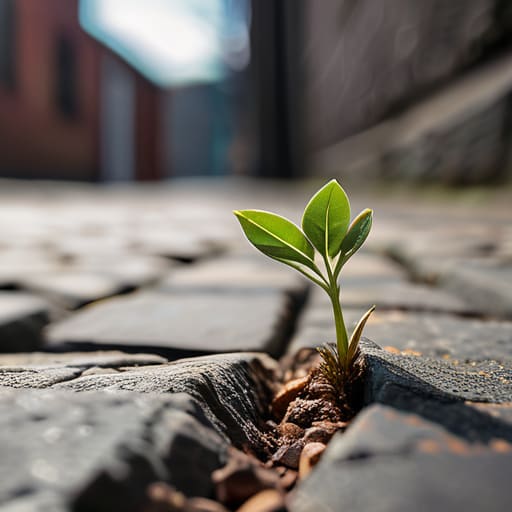
We’ve all been there: you start the week with a perfectly curated morning routine for productivity, feeling like you can conquer the world, only for a Tuesday deadline or a bad night’s sleep to completely derail everything. When life gets messy, the biggest mistake is thinking you have to abandon your goals entirely just because you can’t do the “full version.” Instead of quitting, I’ve learned to embrace the minimum viable effort. If your goal is a thirty-minute workout but you’re running on fumes, just do five minutes of stretching. It’s not about the intensity; it’s about building consistency in habits so the neural pathway stays intact, even if the output is small.
The goal isn’t to be a robot; it’s about making sustainable lifestyle changes that account for human error. I keep a “low-energy version” of my checklist for days when my brain is fried. On those days, I don’t worry about a complex wellness ritual; I just focus on one or two mindful daily practices, like drinking a glass of water or setting my alarm. By lowering the bar when you’re struggling, you prevent the shame spiral that usually leads to giving up altogether.
Five Small Tweaks to Stop Your Routine from Feeling Like a Chore
- Audit your “must-dos” vs. your “should-dos.” I used to have a list of ten morning habits, but most of them were just things I thought a “productive person” should do. I cut them down to the three that actually make me feel human, like drinking a full glass of water and stretching for two minutes. If it doesn’t actually reduce your friction, ditch it.
- Set up “low-friction” environments the night before. If I want to work out in the morning, I don’t just “try harder” to wake up early; I put my clothes right next to my bed. If I need to take vitamins, I move them from the cupboard to the kitchen counter next to my coffee maker. Make the good habit the easiest path to take.
- Use a “Minimum Viable Version” for everything. On days when I’m running on empty, I don’t do a full 30-minute kitchen reset. I just clear the sink. On days when a deep meditation session feels impossible, I just take three conscious breaths. Keeping the streak alive with a tiny version is better for your brain than quitting entirely because you couldn’t do the “full” version.
- Stop relying on your brain to remember things. I’m a total tech nerd, but I still use a physical planner and phone alerts for my most important daily anchors. Don’t waste your precious mental energy trying to remember to take your meds or prep your lunch; outsource that memory to a tool so you can use your brain for actual thinking.
- Group your “admin” tasks together. I used to feel constant low-level anxiety because I was answering emails, then checking a recipe, then paying a bill. Now, I have a specific “admin block” in my afternoon. By batching the small, annoying tasks into one window, they stop bleeding into the rest of my day and ruining my focus.
The Bottom Line
Stop trying to overhaul your entire life in one weekend; focus on stacking one tiny, manageable habit onto something you already do without thinking.
Build “low-energy versions” of your goals so that even when you’re exhausted, you can do the bare minimum to keep the momentum alive.
Aim for consistency over perfection—a messy, imperfect routine that actually happens is infinitely better than a “perfect” one that you quit after three days.
Finding Your Own Rhythm

At the end of the day, building a routine isn’t about checking off a dozen boxes to prove you’re a “productive” person. It’s about using tools like habit stacking to make wellness feel automatic, and more importantly, learning how to scale back when life gets messy. We’ve talked about finding those tiny wins and building consistency even when your energy is in the basement. Remember, the goal isn’t to create a rigid schedule that breaks the moment a meeting runs late or you catch a cold; it’s about creating a flexible framework that supports you rather than draining you.
If you find yourself slipping up—and trust me, you will—don’t treat it like a failure. Treat it like a data point. Maybe that habit was too ambitious for a Tuesday, or maybe you just needed more sleep. My advice is to stop aiming for a “perfect” life and start aiming for a manageable one. Pick one small thing today, even if it’s just drinking a glass of water before your coffee, and call that a win. You don’t need to overhaul your entire existence overnight; you just need to keep moving forward at whatever pace feels sustainable for you.
Frequently Asked Questions
How do I know if I'm actually making progress or just spinning my wheels with new habits?
Honestly, I used to get stuck in this loop of checking off boxes without actually feeling any different. The trick isn’t looking for massive life shifts; it’s looking for “friction reduction.” Are the things that used to stress you out feeling slightly more manageable? Is your morning chaos a little quieter? If you’re noticing less resistance when starting a task, or if your “bad days” aren’t total meltdowns anymore, you’re moving forward.
What do I do when my schedule completely falls apart due to work or life emergencies?
When the wheels fall off, stop trying to salvage the original plan. That’s a recipe for burnout. Instead, switch to “survival mode” protocols. Pick one or two non-negotiables—maybe just drinking a glass of water and hitting your bedtime—and let the rest go. I call these my “minimum viable habits.” It’s not about failing your routine; it’s about pivoting to a version of it that keeps you upright until things settle down.
Is it better to focus on one big lifestyle change or several tiny ones at the same time?
Honestly? Go for the tiny ones. I’ve learned the hard way that trying to overhaul my entire life at once is a one-way ticket to burnout. When I tried to change my diet, my sleep, and my entire morning routine in a single week, I lasted about four days before I gave up entirely. Focus on one or two small, manageable tweaks. Once they feel automatic—like they’re just part of your day—then you can add more.


I believe that life doesn't need to be optimized to perfection, just made slightly more manageable. My goal is to help you find systems that actually work when you're tired, not just when you're motivated. Let's focus on small, repeatable wins that clear the path for what actually matters.