Tips to Improve Your Sleep Quality Starting Tonight
I am so tired of seeing those aesthetic, 12-step “sleep hygiene” routines on my feed—the ones that require a $200 silk eye mask, a specific brand of lavender mist, and a complete lifestyle overhaul just to get through the night. If you’re looking for a way to learn how to sleep better by turning your bedroom into a high-tech wellness sanctuary, you’re probably going to be disappointed. Most of that advice feels like it was written for people who have zero real-world responsibilities and endless disposable income. For the rest of us, who are just trying to manage a remote job and a growing collection of houseplants, those complicated rituals are just another thing to fail at when we’re already exhausted.
I’m not here to sell you a new supplement or a fancy gadget. Instead, I want to share the low-effort, slightly messy systems I’ve actually used to stop staring at my ceiling at 2:00 AM. My goal is to give you a few practical, repeatable wins that work even on your worst days. We’re going to focus on small adjustments—things like moving your phone charger across the room or simplifying your evening wind-down—that actually make a difference without requiring a massive amount of willpower.
Simple Sleep Hygiene Practices for Low Energy Nights
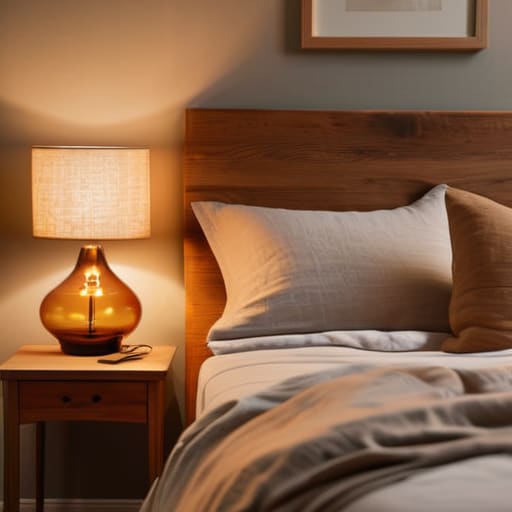
Look, I know the idea of “sleep hygiene practices” sounds like something a doctor would lecture you about while you’re staring at the ceiling at 2:00 AM. When you’re exhausted, the last thing you want to do is a complex ritual. Instead of a ten-step process, I focus on just two things: light and temperature. I try to dim the lights in my apartment an hour before bed, which helps with circadian rhythm regulation without requiring any actual effort. If I can’t do the full dimming thing, even just switching to a warm lamp instead of the overhead light makes a massive difference.
Another low-effort win is optimizing your sleep environment by keeping the bedroom slightly cooler than the rest of the house. I’ve found that if I’m too warm, my brain just stays in “active mode.” You don’t need a fancy smart mattress or expensive gadgets; just crack a window or turn down the thermostat. It’s about making the room a place where your body naturally wants to shut down, rather than a place where you’re fighting to stay comfortable.
Reducing Sleep Latency Without the Mental Overload
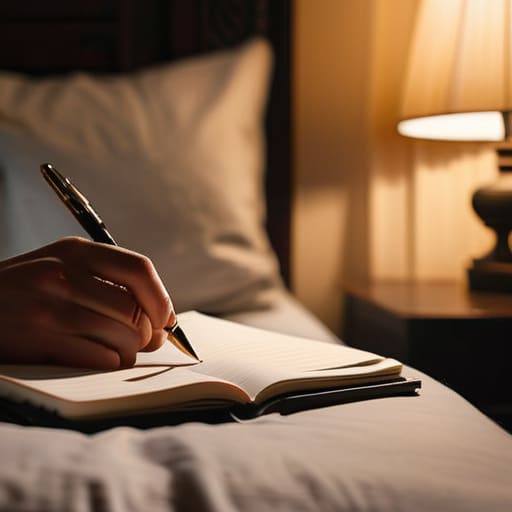
The hardest part of my day isn’t the morning rush; it’s that restless hour spent staring at the ceiling, waiting for my brain to finally click off. We talk a lot about long-term habits, but when you’re actually lying there, you need immediate ways for reducing sleep latency without feeling like you’re performing a chore. I’ve found that instead of trying to force a meditative state, it’s easier to focus on lowering the cognitive load. If your mind is racing with tomorrow’s to-do list, grab that physical planner I’m always carrying and do a quick “brain dump.” Getting the mental clutter out of your head and onto paper tells your brain it’s okay to stop processing those details for the night.
Another thing that helps me avoid that midnight mental spiral is being intentional about optimizing my sleep environment before I even get into bed. I stopped trying to turn my bedroom into a sterile spa and just focused on the basics: keeping the room cool and dimming the lights an hour before I want to drift off. It’s less about a perfect ritual and more about signaling to your nervous system that the workday is officially over.
Five Low-Friction Shifts for Better Rest
- Stop fighting your brain with “perfect” routines. If a 10-step skincare and meditation ritual feels like a chore, don’t do it. Just focus on one thing: getting your phone out of arm’s reach. If you can’t move it to another room, at least put it on “Do Not Disturb” and face down.
- Manage your light exposure like you manage your inbox—don’t let it overwhelm you. Dim the overhead lights an hour before bed. Switching to small lamps or even just lowering the brightness on your laptop makes a massive difference in signaling to your brain that the workday is actually over.
- Don’t rely on your memory for tomorrow’s stress. If you lie down and your brain starts looping through your to-do list, keep a physical notebook by your bed. Write the three things bothering you down. Once they’re on paper, they aren’t living in your head anymore.
- Temperature is a silent productivity killer. You don’t need a high-tech smart mattress; just crack a window or turn the thermostat down a couple of degrees. A slightly cool room is much more conducive to actual sleep than a stuffy, warm one.
- Watch the caffeine “cutoff” time. I know, it’s tempting to grab a latte at 3 PM to power through the afternoon slump, but try to make 2 PM your hard limit. It’s not about being strict; it’s just about making sure your nervous system isn’t buzzing when you’re trying to wind down.
The Low-Friction Sleep Summary
Stop aiming for a perfect 10-step nighttime routine; focus on one or two small, non-negotiable habits, like keeping your phone out of reach, that actually stick when you’re exhausted.
Prioritize lowering your mental load by prepping for the next day before you hit the pillow, so your brain isn’t trying to solve work problems at 2:00 AM.
Build systems that work for your worst days, not just your best ones, by creating a sleep environment that supports rest even when you lack the willpower to “optimize” it.
Stop Chasing Perfection
Look, if you tried to implement every single thing I mentioned tonight, you’d probably end up more stressed than when you started. The goal isn’t to build a high-tech sleep laboratory; it’s just about lowering the friction between your brain and your pillow. Whether that means finally moving your charger to the kitchen counter or just committing to five minutes of dim lights, focus on the one thing that feels least exhausting to do. You don’t need a flawless, disciplined routine to see a difference; you just need a few small, repeatable wins that help you transition from the chaos of the day into something resembling rest.
At the end of the day, your worth isn’t tied to how “optimized” your lifestyle is or how perfectly you follow a wellness protocol. Some nights are going to be a mess, and that’s okay. If you can’t get eight hours of perfect, uninterrupted sleep, don’t beat yourself up—that just creates more mental noise. Just aim for slightly better than yesterday. We’re not trying to hack our biology; we’re just trying to make life a little more manageable so we can actually show up for the things we care about. Go easy on yourself, and just try to get some rest.
Frequently Asked Questions
What do I do if I’ve already tried the "no screens" rule and it just makes me feel restless?
Honestly, I get it. Forcing yourself to sit in a dark, silent room when your brain is still buzzing feels less like “relaxing” and more like sensory deprivation. If the no-screens rule just makes you toss and turn, stop fighting it. Try a “low-stimulation” compromise instead. Switch to an audiobook or a long-form podcast—something that gives your mind a gentle track to follow so it doesn’t spiral, without the harsh blue light.
How much of my daytime caffeine intake is actually messing with my ability to wind down at night?
It’s likely more than you think. I used to tell myself that a 4:00 PM espresso was fine as long as I “wound down” properly, but I was wrong. Caffeine has a half-life of about five to six hours, meaning half that stimulant is still buzzing in your system well past bedtime. If you’re struggling to drift off, try a hard cutoff at noon or 2:00 PM. It’s a small tweak, but it makes a massive difference.
Is it worth investing in fancy sleep tech, or should I just stick to the basic environmental tweaks?
Honestly? Don’t drop a paycheck on a smart ring or a high-tech sleep tracker just yet. Most of those gadgets just give you more data to stress about, which is the last thing you need at 2 a.m. I’ve found that a heavy blackout curtain and a decent white noise machine do way more for my actual rest than any app ever could. Fix your environment first; if that fails, then look at the tech.


I believe that life doesn't need to be optimized to perfection, just made slightly more manageable. My goal is to help you find systems that actually work when you're tired, not just when you're motivated. Let's focus on small, repeatable wins that clear the path for what actually matters.