How to Prepare a Guest Room That Your Visitors Will Adore
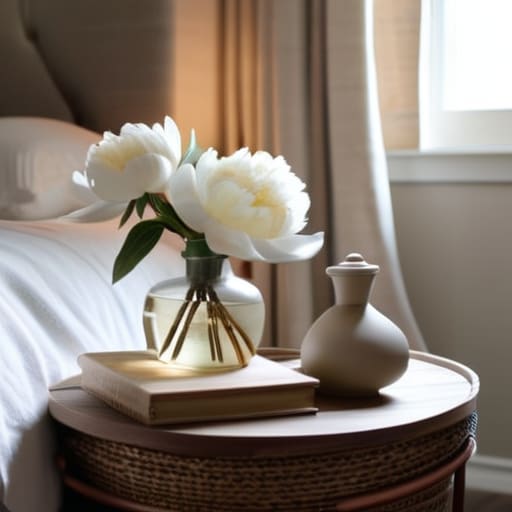
I used to think that hosting meant I needed a perfectly curated, Pinterest-worthy sanctuary with Egyptian cotton sheets and a dedicated reading nook. Then I had my first long-term houseguest, and I realized that all those expensive guest room ideas I’d been eyeing didn’t actually matter when my friend was frantically hunting for a phone charger or wondering where the extra towels were kept. We don’t need a showroom; we need a space that actually functions for a human being who isn’t living there full-time.
In this post, I’m skipping the fluff and the high-end decor hauls to focus on what actually makes a stay comfortable. I’ll be sharing my own low-friction systems for setting up a guest space that works even when you’re exhausted from your own work week. We’re going to look at practical, small wins—like the essential basket of basics and smart lighting tweaks—that turn a spare room into a functional retreat without breaking your budget or your sanity.
Small Spare Room Decor That Doesnt Require Perfection
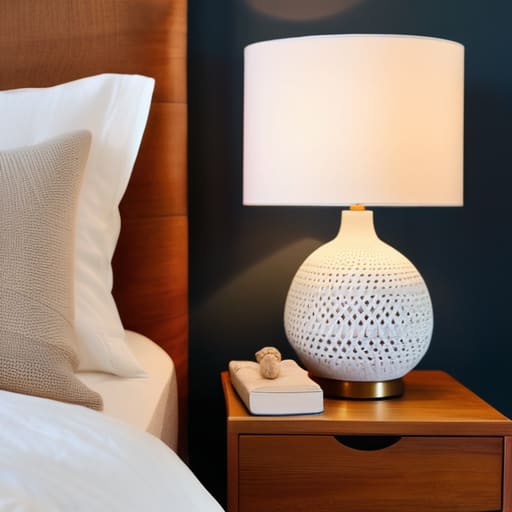
When it comes to small spare room decor, I’ve learned that less is almost always more. You don’t need a complete interior design overhaul or a curated collection of expensive art to make a space feel intentional. Instead, focus on a few high-impact items that ground the room. A single, decent-quality throw blanket tossed over the foot of the bed and a small lamp on the nightstand can do more for the vibe than a dozen tiny knick-knacks. I personally prefer keeping surfaces relatively clear; it prevents the room from feeling cluttered, especially if your guests are also using the space to spread out their own things.
If you’re feeling a bit overwhelmed, don’t worry about a full renovation. Just think about creating a cozy guest suite through texture rather than stuff. A soft rug or a couple of well-placed pillows can make a room feel finished without requiring a trip to a high-end furniture store. The goal isn’t to impress anyone with your design eye—it’s to make sure they feel like they have a dedicated, peaceful spot to land at the end of the day.
Guest Room Layout Optimization for Maximum Ease
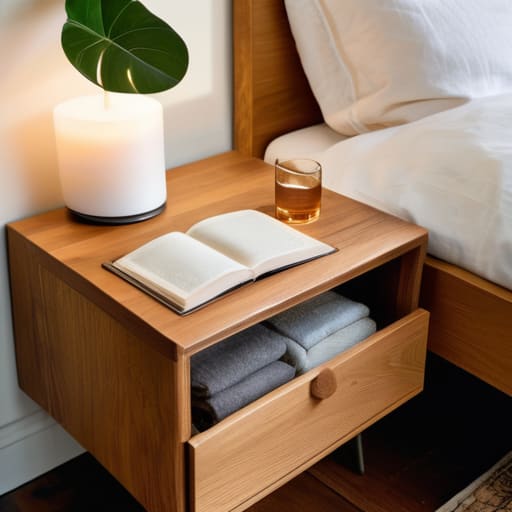
When it comes to guest room layout optimization, I’ve learned that more space isn’t always better; it’s about reducing decision fatigue for your visitors. If you’re working with a tight footprint, don’t feel pressured to cram in a massive king-sized bed that leaves no room to walk. Instead, prioritize a clear path to the door and a small, dedicated surface—like a nightstand or even a sturdy stool—where they can actually put a glass of water or their glasses down.
I also highly recommend keeping the “flow” simple so your guests don’t feel like they’re navigating an obstacle course. If you have the room, try to create a little zone for their belongings so they aren’t living out of a suitcase on the floor. This is where a simple command hook on the back of the door or a small basket for their things can make a huge difference. You don’t need to go overboard with a full-scale renovation; just focus on creating a cozy guest suite through intentional placement rather than sheer volume of furniture.
Five low-friction essentials for a guest who actually wants to relax
- Keep a “landing station” on the nightstand. You don’t need a fancy tray, but having a dedicated spot for their phone, glasses, and a carafe of water prevents that frantic mid-night search when they realize they’re thirsty or their battery is at 2%.
- The “Extra Blanket” rule. Instead of trying to guess their exact temperature preference, just leave a heavy throw or an extra duvet at the foot of the bed. It’s much easier to add warmth than to try and fix a room that feels too drafty.
- A simple basket of “forgotten” basics. I keep a small bin in the corner with travel-sized toothpaste, a spare toothbrush, some ibuprofen, and maybe a phone charger. It saves them from having to ask for every little thing and saves you from feeling like a disorganized host.
- Clear the visual clutter. You don’t need to deep-clean the entire house, but clearing off the top of the dresser or a small desk gives them a place to actually put their suitcase or set down their bag without feeling like they’re intruding on your life.
- Set up a “Wi-Fi Cheat Sheet.” Don’t make them hunt through your settings or ask you for the password while you’re busy. Just write it down on a small card or a sticky note and leave it where they’ll see it immediately. It’s one less tiny friction point for them to deal with.
The Low-Friction Guest Room Checklist
Focus on utility over aesthetics; a guest will care much more about a reachable power outlet and a clear surface for their glasses than whether your throw pillows match perfectly.
Build “micro-systems” for your visitors, like a small basket with extra towels or a spare phone charger, so they don’t have to ask you for basic necessities.
Design for your future, tired self by keeping the setup simple enough that you can reset the room in ten minutes once they leave.
Making it Work for You
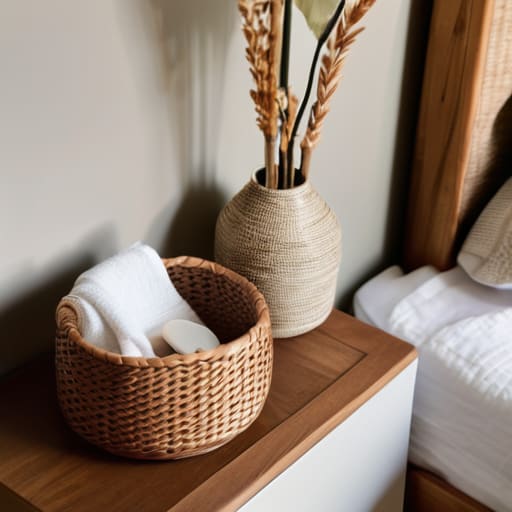
At the end of the day, setting up a guest room isn’t about achieving some Pinterest-perfect interior design standard; it’s about removing the tiny hurdles that make staying in a new place feel awkward. Whether you’ve focused on a smart layout that maximizes your limited square footage or simply tucked a few extra towels and a charging cable into a reachable basket, you’ve already done the heavy lifting. The goal was to create a space that functions without you having to play concierge every five minutes. By prioritizing functional basics over aesthetic fluff, you’ve built a room that is actually usable even when your energy levels are low.
Don’t let the pressure to be a “perfect host” stop you from inviting people into your home. If the guest room is just a slightly organized corner of your spare room with a clean bed and a clear surface for a water glass, that is more than enough. Life is messy, and your home doesn’t need to be a showroom to be welcoming. Focus on those small, repeatable wins that make your guests feel settled and, more importantly, make you feel like you have your life under control. Just set the foundation, leave the rest for when you have more bandwidth, and focus on the connection instead of the decor.
Frequently Asked Questions
How do I make a room feel cozy for guests without spending a fortune on new furniture?
Honestly, don’t go out and buy a new armchair. Just layer what you already have. I always find that adding a heavy knit throw and two oversized pillows to an existing bed or chair instantly changes the vibe from “spare room” to “sanctuary.” If you have a spare lamp in another room, bring it in. Soft, warm lighting is much more effective at creating coziness than any expensive piece of furniture could ever be.
What are some low-maintenance ways to keep the room looking decent if I'm not using it every day?
The secret is to avoid anything that collects dust or requires constant “freshening up.” Skip the open shelving and go for closed storage; it hides the clutter that inevitably gathers. I also suggest a high-quality linen spray and one hardy, low-light plant like a snake plant—it adds life without needing a schedule. If the bed is made with a simple, textured duvet, the whole room feels intentional rather than neglected.
Is it worth setting up a dedicated workspace in the guest room, or does that just make the space feel cluttered?
Honestly, it’s a balancing act. If you turn it into a full-blown office with a massive desk and tangled cords, it’ll definitely feel cluttered and less like a place to rest. But if you need the space, I suggest a “micro-office” approach: a small, slim desk or even just a dedicated tray on a dresser. Keep the tech tucked away when guests arrive so the room stays a sanctuary, not a cubicle.


I believe that life doesn't need to be optimized to perfection, just made slightly more manageable. My goal is to help you find systems that actually work when you're tired, not just when you're motivated. Let's focus on small, repeatable wins that clear the path for what actually matters.