Tailoring a Self-care Routine to Your Unique Lifestyle

I used to think that learning how to build a self care routine meant buying a $40 eucalyptus candle, downloading a meditation app I’d never open, and committing to a sunrise yoga session that felt more like a chore than a reset. Honestly, that kind of “aesthetic” wellness is exhausting. It’s performative, it’s expensive, and most importantly, it’s unsustainable when you’re staring at a mountain of unread emails at 7:00 PM. If your idea of self-care requires a massive burst of motivation that you just don’t have on a Tuesday, it isn’t a system—it’s just another item on your to-do list that you’re going to fail at.
I’m not here to sell you on a lifestyle overhaul or a complicated ten-step ritual. Instead, I want to talk about low-friction habits—the kind of tiny, realistic shifts that actually stick when life gets messy and your energy is hitting zero. We’re going to look at how to build a self care routine that works for you, not against you, by focusing on small, repeatable wins that clear the mental clutter. No fluff, no expensive gadgets, just practical ways to make your daily life feel a little more manageable.
Low Stakes Morning Self Care Rituals for Slow Starts

Most people think a morning ritual has to involve a 5:00 AM wake-up call and a grueling yoga session. Honestly? On the days I’m feeling particularly burnt out, that sounds more like a chore than a benefit. Instead of aiming for a cinematic “main character” morning, I focus on low-friction morning self care rituals that don’t require much brainpower. This might just mean sitting on the edge of my bed for three minutes with a glass of water before I even touch my phone, or finally making my bed so the room looks slightly less chaotic.
The goal here isn’t to achieve peak performance; it’s about gentle momentum. If you try to implement a massive overhaul of your morning, you’ll likely abandon it by Wednesday. I prefer small, repeatable wins—like stepping onto my balcony for a breath of fresh air or listening to a single song I love while the coffee brews. These tiny acts of mindfulness and relaxation habits act as a buffer against the day’s inevitable stressors. It’s about creating a small pocket of peace before the emails start flooding in.
Mental Health Wellness Practices for Your Messiest Days

There will be days when even the simplest morning self care rituals feel like too much effort. On those days, when your brain feels like it has fifty tabs open and half of them are frozen, I stop trying to “do” wellness and start focusing on survival-mode stress management techniques. This isn’t about meditation retreats or deep journaling; it’s about lowering the sensory input. If I’m spiraling, I dim the lights, put on noise-canceling headphones, or just sit on the floor for five minutes. It sounds small, but it breaks the momentum of a meltdown.
When things feel particularly chaotic, I lean heavily on establishing healthy boundaries with my own digital life. I’ll put my phone in a drawer—not because I’m being “productive,” but because the constant ping of notifications is a direct hit to my emotional well-being. Instead of trying to force a complex mental health wellness practice, I just aim for one single moment of quiet. If that’s all I can manage, it’s enough. We aren’t looking for a cure; we’re just looking for a way to make the mess a little more bearable.
Five ways to actually make self-care stick (without the burnout)
- Stop aiming for the “perfect” routine. If you try to schedule a 60-minute yoga session and a meditation block every single morning, you’re going to quit by Wednesday. Instead, pick one thing that takes less than five minutes. Success is about consistency, not intensity.
- Use “habit stacking” to your advantage. Don’t try to remember to do something new; just attach it to something you already do. I started drinking a full glass of water while my coffee brews. It’s not revolutionary, but it’s one less decision I have to make in the morning.
- Audit your environment for friction. If your skincare routine feels like a chore because your products are buried in a cluttered drawer, you won’t do it. Move the things you actually want to use to where you can see them. Make the “good” habits the easiest ones to reach.
- Create a “low-battery” version of your routine. We all have those days where even brushing our teeth feels like a mountain. Have a pre-planned, minimal version of your self-care for when you’re running on empty—like just washing your face with a warm cloth and calling it a night.
- Focus on sensory resets rather than just “productivity” tasks. Sometimes self-care isn’t about journaling or planning; it’s about changing your sensory input. Switch to a different playlist, light a specific candle, or step outside for two minutes of actual air. It breaks the mental loop without requiring heavy lifting.
The Bottom Line
Forget the idea of a perfect, aesthetic routine; if a habit feels like a chore, it’s not working for you.
Build your systems around your lowest-energy self, not your most motivated self.
Focus on tiny, repeatable wins that clear just enough mental space to keep you moving.
Finding Your Own Rhythm
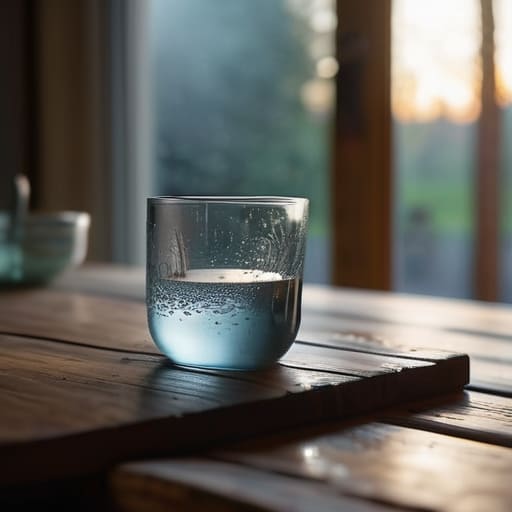
At the end of the day, building a self-care routine isn’t about checking off a list of aesthetic habits you saw on social media. It’s about the small, unglamorous things we talked about—the low-stakes morning rituals that keep you grounded, and the mental health practices that catch you when you’re actually falling apart. Whether it’s just drinking a glass of water before your coffee or giving yourself permission to forgo the dishes when your brain is fried, these tiny adjustments are what keep the friction of daily life from becoming overwhelming. The goal isn’t to become a person who never struggles; it’s to build a system that supports you when you do.
Please, be kind to yourself if you miss a day or if your “routine” looks more like a survival tactic than a spa retreat. Life is messy, and some weeks are just about making it to Friday in one piece. You don’t need to optimize your wellness to be successful, and you certainly don’t need to be “perfect” at resting. Just focus on those small, repeatable wins that make your world feel a little more manageable. You’re doing better than you think you are, and showing up for yourself in even the smallest way is a massive victory.
Frequently Asked Questions
How do I actually stick to these habits when my work schedule keeps changing?
Stop trying to pin your habits to a specific time. If your schedule is a moving target, “7:00 AM meditation” is just a recipe for guilt. Instead, use anchor points. Tie your self-care to things that do happen regardless of the clock—like your first cup of coffee or the moment you close your laptop. If you can’t do the full routine, do the “micro” version. It’s about keeping the thread alive, not hitting a perfect timestamp.
Is it possible to have a self-care routine that doesn't feel like just another thing on my to-do list?
Honestly, if it feels like a chore, it isn’t self-care—it’s just unpaid labor. I used to pile “meditate for 20 minutes” onto my planner and end up feeling like a failure when I skipped it. The trick is to stop treating self-care as a task to complete and start seeing it as a way to reset. If it requires a high level of discipline to execute, it’s too heavy. Aim for friction-less wins instead.
What should I do if I feel guilty for taking time for myself when everything else feels urgent?
That guilt is a liar. I used to think self-care was a reward for finishing my to-do list, but that’s a recipe for burnout. If everything feels urgent, that’s actually the signal that you need to step back, not lean in harder. Think of it as maintenance, not a luxury. You wouldn’t yell at your laptop for needing a recharge; don’t do it to yourself. Taking twenty minutes isn’t stalling; it’s ensuring you can actually finish the work later.


I believe that life doesn't need to be optimized to perfection, just made slightly more manageable. My goal is to help you find systems that actually work when you're tired, not just when you're motivated. Let's focus on small, repeatable wins that clear the path for what actually matters.