Why You Should Be Stretching and How to Begin

I used to think that if I wasn’t spending forty-five minutes on a neon-colored yoga mat following a curated video, I wasn’t actually “doing” anything. The wellness industry loves to sell us this idea that the benefits of stretching are only accessible through expensive memberships or intense, hour-long rituals that require a level of discipline I simply don’t have after a ten-hour workday. But let’s be real: most of us aren’t looking for enlightenment; we’re just trying to stop our lower backs from screaming every time we stand up from our desks.
I’m not here to pitch you a spiritual journey or a complicated routine that requires perfect motivation. Instead, I want to share the low-effort, high-impact movements that actually keep me functional when my schedule is a disaster. I’ve boiled down the real, science-backed benefits of stretching into a few tiny, repeatable wins that you can do while your coffee brews or during a mid-afternoon slump. This is about practical mobility for people who have actual lives to lead, not just more things to add to a to-do list.
Muscle Tension Relief for Your Most Exhausted Days
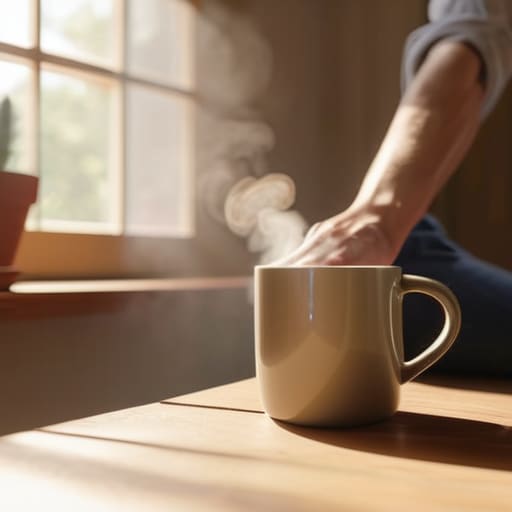
We’ve all had those days where your shoulders feel like they’re trying to touch your ears and your lower back is just… done. When I’m running on four hours of sleep and a lukewarm espresso, the last thing I want to do is a full-blown workout. On those days, I don’t aim for peak performance; I just aim for muscle tension relief. I usually stick to a few seated stretches right at my desk—think neck rolls or a simple seated spinal twist. It’s not about a deep, transformative session; it’s about telling my nervous system to stop holding onto all that stress for five minutes.
The goal here isn’t to become a gymnast; it’s about practical maintenance. If you’re feeling particularly stiff, focusing on a few targeted movements can help with improving range of motion without requiring you to even change out of your sweatpants. I find that even just a quick, two-minute reset can prevent that heavy, “rusted hinge” feeling from settling into your joints by mid-afternoon. It’s about making life a little more comfortable, one small movement at a time.
Improving Range of Motion With Minimal Effort

The thing about stiffness is that it usually creeps up on you when you aren’t looking. You’re sitting there, mid-email, and suddenly your neck feels like it’s made of concrete. I used to think that improving range of motion required a dedicated hour on a yoga mat, but that’s just not realistic for most of us. Instead, I’ve started focusing on “micro-movements” throughout the day. It’s less about a formal workout and more about preventing your body from locking up while you’re stuck in a chair.
If you’re looking for a way to actually feel the difference without the burnout, try leaning into the concept of static vs dynamic stretching depending on your energy levels. If you’re feeling particularly sluggish, a few slow, held stretches during a commercial break or while waiting for the kettle to boil can work wonders. If you have a bit more momentum, some gentle, flowing movements can help loosen things up. The goal isn’t to become a gymnast; it’s just to ensure you don’t feel like a rusted hinge by the time you clock out for the day.
Five ways to make stretching actually stick (without the burnout)
- Stop waiting for a “workout window.” If you have three minutes while your laptop is running updates or your kettle is boiling, do a quick standing quad stretch. It’s about using the gaps in your day rather than trying to carve out a dedicated hour you’ll never actually use.
- Focus on the “desk muscles.” Since I spend most of my life hunched over a keyboard, I prioritize opening up my chest and hip flexors. If you only do two stretches, make them those. It stops that mid-afternoon feeling where your body feels like it’s permanently folded in half.
- Use your breath as a timer, not a stopwatch. Instead of counting “one, two, three…” which feels like a chore, just focus on taking five deep, slow breaths into the area that feels tight. It turns a physical movement into a quick mental reset, which is honestly the real benefit.
- Don’t push into pain; push into “tension.” There’s a huge difference between a productive stretch and an injury waiting to happen. If you’re wincing, you’re doing it wrong. Aim for that slightly uncomfortable, “oh, that’s tight” sensation and leave it there.
- Keep your gear visible. I keep a foam roller right next to my desk—not tucked away in a closet. If you have to go hunting for your yoga mat, you probably won’t do it. If it’s staring you in the face, you’re much more likely to spend sixty seconds on it when you feel that familiar tightness creeping in.
The Low-Stakes Summary
Stop waiting for a “workout window” to move; if you have two minutes while your coffee brews or a meeting is loading, use it to loosen up.
Focus on the high-impact areas—like your neck and hips—that actually make you feel like a human being after a long day at a desk.
Aim for consistency over intensity; a quick, lazy stretch every day beats a grueling yoga session that you only do once a month.
The Bottom Line
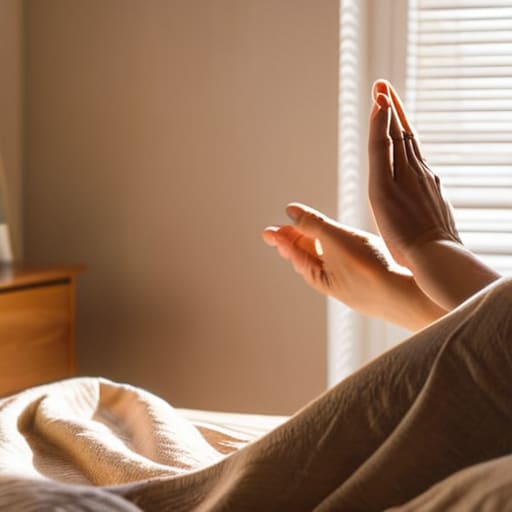
At the end of the day, stretching isn’t about hitting a perfect pose or achieving some zen-like state of enlightenment. It’s really just about lowering the friction of existing in a body that spends too much time hunched over a laptop or stuck in a car. Whether you’re using those tiny pockets of time to release tension in your neck or just trying to make sure your hips don’t feel like they’ve seized up by 5:00 PM, the goal is the same: making your physical self a little easier to live in. You don’t need a gym membership or a fancy yoga mat to make this work; you just need to stop treating your body like an afterthought.
Please, don’t feel like you have to overhaul your entire routine overnight. If you only manage to do one single stretch while your coffee is brewing, count that as a win. We spend so much energy trying to optimize every minute of our productivity, but sometimes the most productive thing you can do is simply give your muscles a moment to breathe. Start small, keep it low-effort, and focus on those tiny, repeatable movements that keep you from feeling like a rusted hinge. You’ll find that when you take care of the small physical stresses, the rest of your day just feels a little bit more manageable.
Frequently Asked Questions
Do I actually need to do this every single day to see a difference, or is once a week enough?
Look, if you’re treating stretching like a grueling gym session, you’re going to quit by Tuesday. If you only do it once a week, you’ll feel a tiny bit better for an hour, but that’s it. The goal isn’t perfection; it’s consistency. I’d much rather you do two minutes of movement every single day than one massive hour-long session once a week. Small, daily wins beat one big, unsustainable effort every time.
Should I be doing these stretches before my workout or after I'm already done?
Honestly, it depends on what you’re trying to achieve, but let’s keep it simple. If you’re about to jump into a workout, stick to dynamic movements—think leg swings or arm circles—to wake your muscles up without overstretching them while they’re cold. Save the deep, static holds for afterward. That’s when your body is warm and ready to actually release tension. Think of it as prepping the engine first, then cooling it down later.
How do I know if I'm actually stretching effectively or if I'm just pushing myself into a way that's going to cause an injury?
Here’s the rule of thumb I use: look for “comfortable discomfort.” You should feel a gentle pull or a mild sensation of tension, but never sharp, stabbing, or radiating pain. If you’re holding your breath or bracing your jaw, you’ve gone too far. Your body is actually a pretty good indicator—if you feel like you’re fighting against yourself, back off. The goal is to ease the tension, not win a battle against your own ligaments.


I believe that life doesn't need to be optimized to perfection, just made slightly more manageable. My goal is to help you find systems that actually work when you're tired, not just when you're motivated. Let's focus on small, repeatable wins that clear the path for what actually matters.