How to Tame the Chaos Under Your Kitchen Sink
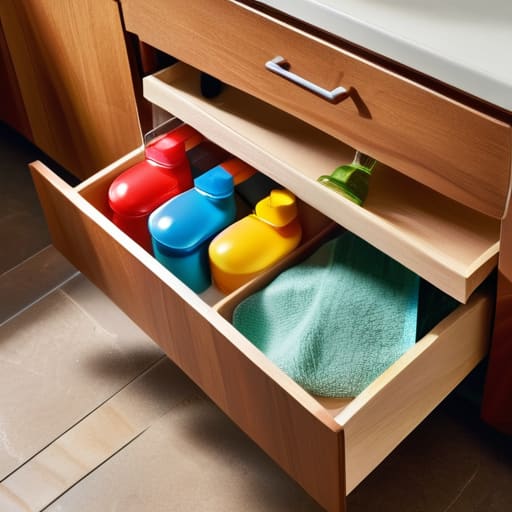
I was halfway through scrubbing a stubborn coffee stain off my counter when I reached under the sink for the spray, only to trigger a slow-motion landslide of half-empty dish soap bottles, tangled sponges, and a rogue box of trash bags. It’s that specific, infuriating moment where you realize that knowing how to organize under the sink isn’t about buying a set of $40 aesthetic acrylic bins from an Instagram ad. It’s about the fact that every time you open that cabinet, you’re met with a chaotic mess that adds just one more tiny, unnecessary stressor to your morning.
I’m not here to sell you on a Pinterest-perfect pantry aesthetic that requires constant maintenance. Instead, I want to share the low-effort, actually functional systems I’ve built to handle the grime and the clutter without needing a degree in professional organizing. We’re going to focus on practical layouts that work even when you’re exhausted, ensuring you can grab the Windex and get back to your life without the unnecessary drama of a cabinet collapse.
Kitchen Cabinet Decluttering Tips for the Exhausted
When you’re staring at a dark, damp corner filled with half-empty bottles of bleach and old sponges, the last thing you want is a massive project. My rule for when I’m running on empty is to stop trying to categorize everything perfectly. Instead, just do a quick sweep. Toss anything that’s expired or, frankly, smells like it’s been sitting there since the Obama administration. If you can’t decide if you need it, put it in a “maybe” bin. This is one of my favorite kitchen cabinet decluttering tips because it prevents that paralysis that comes from trying to be too precious with your stuff.
Once the junk is out, don’t aim for a showroom look. Focus on visibility. I’ve found that using under sink pull out organizers—even just cheap plastic bins from a dollar store—is a total game changer. It means you aren’t digging through a black hole just to find the dish soap. If you have a particularly leaky area, don’t stress; just toss down some waterproof cabinet liners. It’s a low-effort way to protect your wood so you don’t have to deal with a bigger mess later.
Maximizing Small Cabinet Space Without the Stress
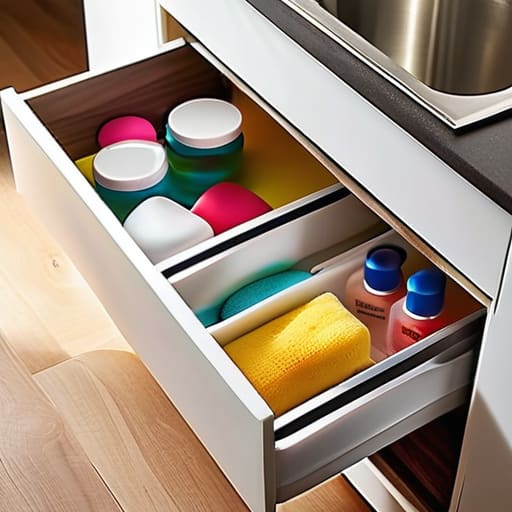
When it comes to maximizing small cabinet space, I’ve learned that trying to force everything into one big pile is a losing battle. Instead of fighting the dimensions of the cabinet, work with them. I’m a huge fan of under sink pull out organizers—specifically the tiered ones or those sliding drawers. They are absolute game-changers because they bring the stuff tucked way in the back right to the front. It stops that frustrating moment where you’re digging through a dark cavern of spray bottles just to find the microfiber cloths.
If you’re dealing with a particularly cramped setup, don’t overlook the vertical real estate. Using stackable bins or even small tension rods can help you categorize your cleaning supply storage solutions without needing a degree in interior design. Also, a quick tip from my own “oops” moments: invest in some waterproof cabinet liners. They aren’t just for aesthetics; they protect your wood from the inevitable leaky soap bottle or damp sponge, making future maintenance much less of a headache. Keep it functional, keep it accessible, and most importantly, keep it simple.
Five Low-Maintenance Wins for Your Under-Sink Chaos
- Stop trying to stack things vertically. When I’m tired, I’m not going to play Tetris with dish soap bottles just to get to the sponges. Use clear, stackable bins instead. If you can see what’s inside without digging, you’ve already won half the battle.
- Group your stuff by “activity” rather than by object type. Put all your surface cleaners in one small caddy and your heavy-duty scrubbers in another. That way, when you see a spill, you just grab the one bin and go, instead of hunting through a dark cabinet for three different sprays.
- Use the door, not just the shelves. I used to ignore the inside of the cabinet door, but a simple adhesive command hook or a small wire rack can hold your dish gloves or a spray bottle. It gets the stuff that’s always in your hand out of the way of the stuff that just sits there.
- Embrace the “Lazy Susan” for the corners. If you have a deep cabinet where things inevitably go to die in the back, a small turntable is a lifesaver. It’s much easier to spin a tray to find the drain cleaner than it is to crawl on the floor and move five bottles out of the way.
- Keep a “miscellaneous” zone for the weird stuff. We all have that one random roll of twine or a half-used sponge that doesn’t belong anywhere. Give it one specific basket or corner. It keeps the chaos contained so it doesn’t bleed into your actual organization system.
The "Low-Friction" Summary
Stop aiming for a showroom look; just focus on grouping things by how often you actually grab them so you aren’t digging through a graveyard of half-empty cleaning bottles every Tuesday night.
Invest in clear, stackable bins or simple pull-out drawers—if you have to move three things just to get to the dish soap, the system is broken and you won’t stick to it.
Keep your “emergency” supplies (like extra sponges or heavy-duty cleaners) in a separate, easy-to-reach spot so the main cabinet doesn’t become a cluttered catch-all for everything you don’t know what to do with.
The Low-Stakes Finish Line
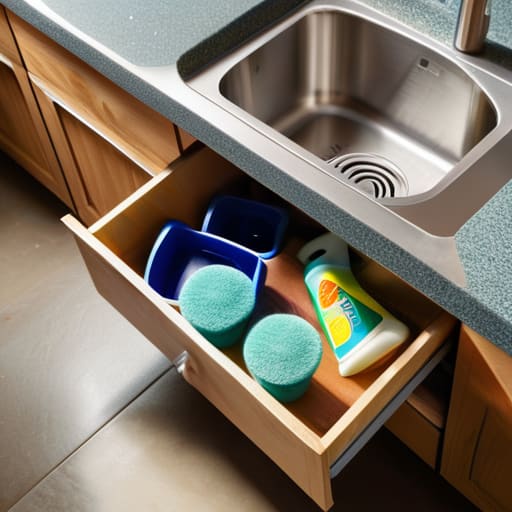
At the end of the day, organizing your under-sink area isn’t about achieving some aesthetic, color-coded dream; it’s about making sure you aren’t fighting your own kitchen every time you need to wipe down a counter. We talked about clearing out the expired cleaners, using simple bins to group things like sponges and scrubbers, and making the most of that awkward vertical space. If you only manage to pull the old, crusty sponges out and put the Windex in a single bin, that is still a win. The goal is to create a system that stays functional even when you’re too drained to care about perfection, focusing on small, repeatable wins that actually make your routine a little smoother.
Don’t let the pressure to “optimize” everything turn a simple task into a weekend-long project. If your cabinet looks a little messy or your bins aren’t perfectly aligned, let it go. Life is going to throw more than just a cluttered sink at you, and you need your energy for the things that actually move the needle. Just aim to make your space slightly more manageable than it was yesterday. Once you can reach for what you need without a mini-meltdown, you’ve already succeeded. Now, close that cabinet door, grab a coffee, and give yourself some credit for getting it done.
Frequently Asked Questions
How do I stop the cleaning supplies from constantly leaking and making a mess of everything else?
Honestly, the “sticky cabinet floor” phenomenon is the worst. First, ditch the original spray bottles if they’re old; those cheap triggers fail constantly. I started transferring my heavy-duty stuff into high-quality, leak-proof glass or heavy plastic dispensers. Also, grab a cheap set of silicone mats or even just a plastic tray to line the bottom. It’s way easier to wipe down a tray than to scrub dried soap off the wood.
Are there any specific organizers that actually work for weirdly shaped pipes or deep, dark corners?
Honestly, the “standard” clear bins usually fail the second they hit a pipe. I’ve learned the hard way that rigid plastic is your enemy in these tight spots. Instead, look for expandable under-sink organizers—the ones with sliding drawers that can adjust their width. For those deep, dark corners where things go to die, I swear by small, narrow pull-out bins or even just simple Lazy Susans if the plumbing allows. It’s about accessibility, not perfection.
How often should I actually go back in and reorganize so it doesn't just fall apart again in a week?
Look, if you try to do a deep clean every week, you’re going to burn out by Tuesday. I don’t do that. Instead, I aim for a “micro-reset” once a month—just five minutes to pull out the leaky sponges or the half-empty bottles. Honestly, though? Just do a quick scan whenever you notice you’re digging around for something for more than ten seconds. If you’re hunting, the system is breaking. Fix it then.


I believe that life doesn't need to be optimized to perfection, just made slightly more manageable. My goal is to help you find systems that actually work when you're tired, not just when you're motivated. Let's focus on small, repeatable wins that clear the path for what actually matters.