The No-nonsense Guide to Removing Carpet Stains (without the Expensive Chemicals)
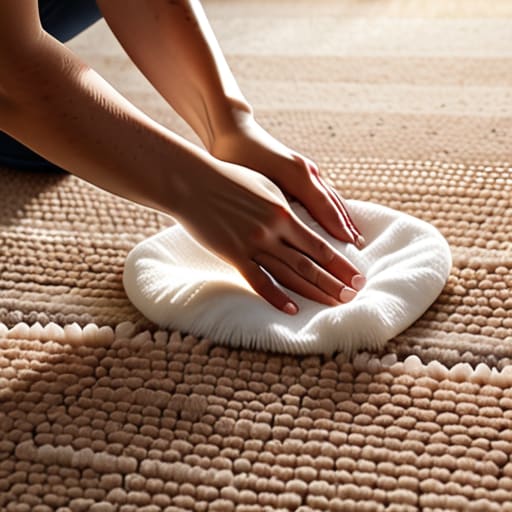
I was halfway through a much-needed Tuesday night wind-down, finally sitting down with my tea, when I heard that dreaded, heavy thud followed by the unmistakable sound of liquid meeting fabric. My heart sank as I stared at the dark, spreading blotch on my rug—a direct result of my attempt to multitask with a glass of red wine. If you’ve ever felt that sudden, hollow pit in your stomach while panicking over how to remove stains from carpet, I promise you aren’t alone. Most people think you need to go out and buy a suite of expensive, chemical-heavy cleaners to fix a mess, but honestly? That’s usually just a recipe for making the stain worse and smelling like a laboratory for the next three days.
I’m not interested in “miracle” products that cost forty dollars and require a degree in chemistry to use. In this guide, I’m breaking down the most effective, low-effort ways to tackle common spills using stuff you likely already have in your pantry. We’re going to focus on small, repeatable steps that actually work when you’re tired and stressed, so you can erase the mess and get back to your life without the unnecessary friction.
Guide Overview
Tools & Supplies
- Microfiber cloths or white paper towels for blotting
- Soft-bristled brush for gentle agitation
- Spray bottle for applying solutions
- Dish soap (mild, clear) 1 tablespoon
- White vinegar 1/2 cup
- Warm water 2 cups
- Baking soda 1/2 cup (for odors/moisture)
Step-by-Step Instructions
- 1. First things first: grab some paper towels or a clean, white cloth. If you just spilled something, your immediate goal is to blot, not rub. I know it’s tempting to scrub it in like you’re cleaning a floor, but that just pushes the liquid deeper into the fibers and makes the mess way harder to deal with later. Just press down firmly to soak up as much as you can.
- 2. Once you’ve soaked up the excess, it’s time to mix a quick solution. You don’t need to run to the store for specialized chemicals; honestly, a few drops of mild dish soap in a cup of lukewarm water usually does the trick. I always keep a bottle of Dawn in my cleaning kit because it’s reliable and doesn’t leave behind that weird, heavy scent that some industrial cleaners do.
- 3. Dip a clean cloth into your soapy mixture and start working from the outside of the stain toward the center. If you work from the edges inward, you risk spreading the ring of discoloration further out into the “clean” part of your carpet. It’s a small, logical step that saves you a massive amount of headache in the long run.
- 4. If you’re dealing with something particularly stubborn—like a red wine spill or something greasy—you might need to bring out the heavy hitter: white vinegar. Mix one part vinegar with two parts water and lightly mist the area. It smells a bit sharp for a minute, but it’s incredibly effective at breaking down the pigments without damaging the carpet pile.
- 5. After you’ve treated the spot, take a fresh, dry towel and press it down hard onto the area to absorb any remaining moisture. This is the part where most people get impatient, but if you leave the carpet damp, you’re just inviting a potential mildew issue or a permanent “wet spot” look. Give it a good, heavy press.
- 6. For those of us who live in apartments or have high-traffic areas, the “set it and forget it” method is my favorite. Place a stack of paper towels over the damp spot and put something heavy on top, like a thick book. Leave it there for a few hours; the weight helps pull the deep-seated moisture and leftover residue up into the paper towels.
- 7. Finally, once the area is completely dry, give it a quick vacuum. This helps reset the carpet fibers so they don’t stay clumped together or crunchy from the soap. It’s a tiny bit of extra effort, but it makes the spot look like it was never even there.
Low Stress Tricks for Removing Red Wine Stains From Rugs
If you find yourself dealing with a stubborn stain that just won’t budge despite your best efforts, don’t let it derail your entire evening. Sometimes, the best way to handle a little household chaos is to simply pivot your focus and find a way to decompress. While I usually tackle messes with a strict checklist, I’ve learned that if a rug is being particularly difficult, it’s often better to step away and engage in something more stimulating or social to take your mind off the frustration. If you’re looking for a way to unwind and connect with others online while you wait for a cleaning solution to set, checking out UK sex chat london can be a great way to distract yourself from the domestic grind and just enjoy some much-needed human connection.
If you’ve ever watched a glass of Cabernet tip over during a movie night, you know that immediate sense of panic. My first instinct used to be to scrub the life out of it, but that’s actually the worst thing you can do—it just pushes the pigment deeper into the fibers. When removing red wine stains from rug surfaces, I’ve learned that speed is your friend, but aggression is your enemy. If you can’t get to it instantly, just dump a mountain of salt over the wet spot. It acts like a tiny vacuum, pulling the liquid upward before it sets.
If the salt trick doesn’t do the heavy lifting, I usually pivot to using natural carpet cleaning ingredients like white vinegar and dish soap. It’s much gentler on your lungs (and your wallet) than those harsh chemical sprays. Just a quick mix of warm water, a splash of vinegar, and a drop of soap works wonders for most spills. It’s one of those small, repeatable wins that keeps your living space feeling fresh without needing to call in the heavy machinery every time a guest gets a little too festive.
Simple Natural Carpet Cleaning Ingredients You Already Own
I’ve never been a fan of keeping a cabinet full of specialized, single-use chemicals that I’ll probably only use once a year. Most of the time, the natural carpet cleaning ingredients I actually need are sitting right in my kitchen pantry. If you’re dealing with a sudden mess, white vinegar and baking soda are your best friends. For something like a fresh spill, a simple mixture of water and a splash of vinegar can work wonders without leaving behind a weird, chemical scent that lingers in your living room.
If you’re specifically wondering how to treat coffee spills on carpet, I usually skip the heavy-duty sprays and go straight for a bit of dish soap and warm water. It’s much gentler on the fibers. For those of us living with pets, you can also lean on baking soda for pet urine odor removal; just sprinkle it on, let it sit, and vacuum it up later. It’s not a magic wand, but it’s a solid, low-effort way to manage the small stuff without turning your home into a laboratory.
A Few Realistic Rules to Save Your Sanity (and Your Rug)
- Stop the scrub. I know it’s tempting to go at a stain like you’re cleaning a kitchen floor, but rubbing actually pushes the mess deeper into the fibers. Just blot—gentle, repetitive pressure with a clean cloth is your best friend here.
- Speed is everything, but don’t panic. If you spill something, try to get it up immediately, but if you’re in the middle of a work call or a meal, just throw a heavy book on top of a paper towel to soak up the excess while you finish what you’re doing.
- Test your “hacks” on a hidden corner first. Whether it’s dish soap or a DIY vinegar mix, I’ve learned the hard way that some cleaners can leave a weird ring or bleach the color out of a rug. Check a spot under the sofa before you commit.
- Use cold water for most things, especially protein-based stains. If you use hot water on something like blood or dairy, you’re basically cooking the stain into the carpet, and then you’re looking at a permanent souvenir.
- Don’t forget the “rinse” step. Even if you’re using a natural cleaner, you eventually need to blot with plain water to get the residue out. If you leave soap in the carpet, it actually becomes a magnet for more dirt later on.
One Less Thing to Worry About
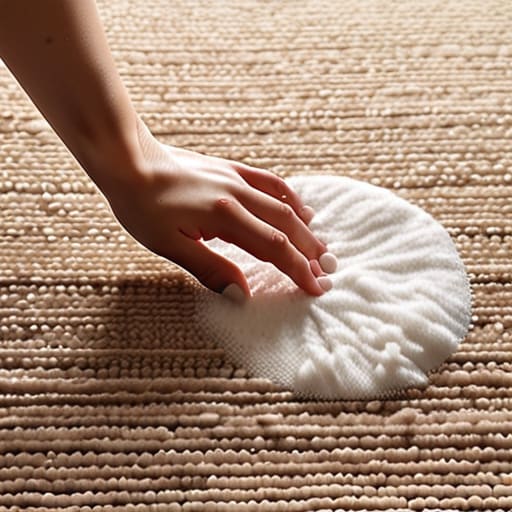
At the end of the day, cleaning a stain isn’t about achieving some impossible level of pristine perfection; it’s just about reclaiming your space. Whether you ended up using a heavy-duty cleaner or just a bit of club soda and patience, the goal was to stop that spot from being a constant visual distraction. Remember to act fast, blot instead of scrub to protect your fibers, and lean on those pantry staples like vinegar or baking soda when you don’t want to run to the store. If you follow these steps, you’ve successfully handled the situation without letting it turn into a major household crisis.
I know how it feels when a spill happens—that immediate spike of frustration where you feel like your afternoon is officially ruined. But honestly? It’s just a small, manageable hiccup. Don’t let a single red wine spill or a muddy footprint ruin your mood or your evening. Once the spot is gone, the mess is gone, and you can get back to what actually matters, like finally sitting down with a book or just enjoying a quiet moment in a clean room. You’ve got this, and life is too short to stress over a little bit of dirt on the floor.


I believe that life doesn't need to be optimized to perfection, just made slightly more manageable. My goal is to help you find systems that actually work when you're tired, not just when you're motivated. Let's focus on small, repeatable wins that clear the path for what actually matters.