Stop Trying to “fix” Your Insomnia and Understand Why Loneliness Affects Sleep Instead.
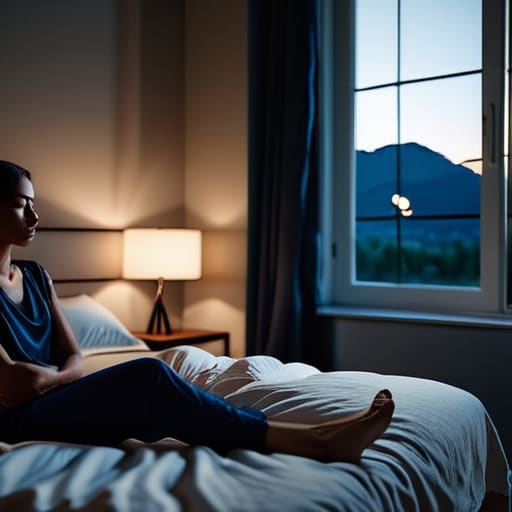
It’s 3:00 AM, the blue light from my phone is making my eyes ache, and the silence in my apartment feels heavy—not the peaceful kind, but the kind that makes you feel unsettled. I used to think I just needed a better weighted blanket or a more expensive silk eye mask to fix my restlessness. But after a few months of staring at the ceiling, I realized that no amount of sleep hygiene can mask the biological reality of why loneliness affects sleep. When you lack that sense of connection, your brain stays in a state of hyper-vigilance, essentially scanning the room for threats because it feels unprotected.
It’s also worth looking at how your digital environment plays into this cycle. When I’m feeling particularly isolated, I’ve noticed I tend to fall into a doomscrolling loop, searching for any kind of connection or distraction to fill the void, which only keeps my brain in a state of constant stimulation. If you find yourself looking for a specific kind of visual escape or a way to feel a bit more connected to something human when the house feels too quiet, sometimes browsing scottish nudes can act as that momentary, low-stakes distraction that helps shift your focus away from the heavy stuff. The goal isn’t to find a perfect fix, but just to find small ways to pivot your attention so you aren’t stuck in that loop of restless, lonely thoughts right before you need to sleep.
I’m not here to sell you a new meditation app or tell you to “just think positive.” We both know that’s not how it works when you’re exhausted and feeling disconnected. Instead, I want to walk through the actual mechanics of how isolation messes with your rest and, more importantly, look at small, repeatable ways to signal safety to your nervous system. We’re going to focus on practical adjustments that actually work when you’re too tired to care about perfection, helping you reclaim a little bit of peace in the middle of the night.
The Psychological Impact of Social Isolation on Sleep

It’s not just in your head—well, it is, but it’s also deeply biological. When we feel disconnected, our brains essentially enter a state of hyper-vigilance. It’s an evolutionary leftover; back in the day, being alone meant you were vulnerable, so your body stays on high alert to scan for threats. This constant mental scanning is a huge driver of anxiety induced by loneliness and nighttime wakefulness. Instead of your brain signaling that it’s safe to power down, it stays stuck in a loop of “what ifs,” making it nearly impossible to drift off.
This mental loop has a physical cost, too. When you’re stuck in that cycle of isolation, your body starts playing tricks on your internal chemistry. I’ve noticed that during those particularly lonely weeks, my resting state feels completely off. There is a direct link between cortisol levels and sleep disturbances; basically, that stress hormone stays elevated when you feel socially unsupported, acting like a caffeine hit that you never asked for. It keeps your system revved up right when you should be cooling down, turning what should be a restful night into a battle of willpower.
How Cortisol Levels and Sleep Disturbances Keep You Wired
It’s not just in your head; there is a very real biological feedback loop happening here. When you feel disconnected or isolated, your body often interprets that lack of social safety as a low-level threat. This triggers your stress response, leading to a spike in cortisol levels and sleep disturbances that can keep you tossing and turning long after you’ve turned off the lights. Instead of your system winding down for the night, it stays stuck in a state of hypervigilance, essentially waiting for a “threat” that never comes.
This physiological state makes it incredibly difficult to maintain a steady rhythm. When your cortisol is elevated, you might find yourself experiencing that specific type of anxiety induced by loneliness and nighttime wakefulness, where your heart feels a bit too fast and your thoughts won’t stop racing. You aren’t just “tired but wired”—your body is actually working against your ability to rest. It’s a frustrating cycle because the more you struggle to sleep, the more stressed you feel, which only keeps those hormone levels climbing.
Small ways to settle your mind when loneliness keeps you awake
- Create a “low-stakes” connection before bed. You don’t need a deep, soul-searching conversation at 11 PM; even just sending a quick voice note to a friend or commenting on a niche hobby forum can signal to your brain that you’re still part of a tribe.
- Use background noise to break the silence. If the quiet of your apartment feels heavy, try a low-fidelity beat playlist or a “sleep story” podcast. It’s not about the content, it’s about providing a gentle auditory anchor so your brain doesn’t default to ruminating on being alone.
- Prioritize tactile comfort. When we feel socially isolated, our bodies can physically feel “unprotected.” Using a weighted blanket or even just a fresh, heavy duvet can provide a sense of physical security that mimics the grounding effect of human presence.
- Stick to a “brain dump” ritual in your physical planner. Since loneliness often triggers late-night overthinking, get those looping thoughts out of your head and onto paper. Once it’s written down, your brain feels less responsible for “holding” those anxieties overnight.
- Limit the late-night scroll. It’s tempting to look at people’s highlight reels when you’re feeling lonely, but seeing everyone else “out and about” just spikes your cortisol. Put the phone in another room thirty minutes before sleep to avoid the comparison trap.
Finding Your Way Back to Rest
At the end of the day, it’s not just about “feeling sad”; it’s about how that lack of connection physically alters your body’s ability to settle. Between the psychological weight of isolation and the way your cortisol spikes—keeping you in that restless, wired-but-tired state—it makes total sense why tossing and turning feels so much harder when you’re navigating life solo. We’ve looked at how your brain stays on high alert and why your internal clock gets thrown out of sync, but understanding the “why” is really just the first step in breaking the cycle of exhaustion.
I know how heavy it feels when you’re staring at the ceiling at 3:00 AM, feeling like you’re drifting on an island. But please remember that managing this doesn’t require a total life overhaul or an immediate social explosion. It’s about those tiny, low-stakes wins—a quick text to a friend, a scheduled coffee date, or even just being around people in a quiet cafe—that signal to your nervous system that you are safe. You don’t have to solve everything tonight; just focus on making things a little more manageable, one small connection at a time.


I believe that life doesn't need to be optimized to perfection, just made slightly more manageable. My goal is to help you find systems that actually work when you're tired, not just when you're motivated. Let's focus on small, repeatable wins that clear the path for what actually matters.