Daily Habits to Strengthen Your Immune System
I’m so tired of seeing those “ultimate” wellness guides that claim you can supercharge your health with a $90 bottle of adaptogen powder or a three-hour morning ritual that requires more willpower than I have left after a Tuesday. Honestly, most of the advice on how to boost your immune system feels like it was written for people who have nothing better to do than meal prep organic kale for six hours every Sunday. When you’re juggling a remote workload and trying to keep your indoor jungle alive, the last thing you need is a high-maintenance health regime that feels like a second job.
I’m not here to sell you a lifestyle overhaul or a collection of expensive supplements you’ll forget to take. Instead, I want to talk about the low-effort, high-yield habits that actually move the needle when life gets chaotic. We’re going to focus on a few realistic, repeatable shifts—the kind of small wins that fit into a busy schedule without requiring a complete personality transplant. My goal is to help you build a baseline of resilience that works even on the days you’re running on empty.
Easy Lifestyle Habits for Immune Health That Actually Stick
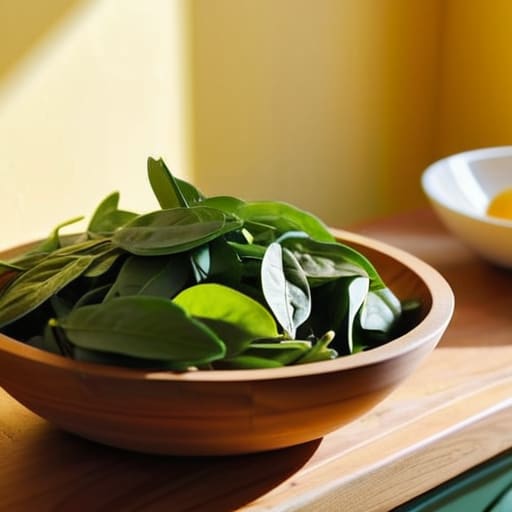
The problem with most health advice is that it assumes you have the energy of a marathon runner and the meal prep skills of a professional chef. When I’m deep in a heavy work week, the last thing I want to do is spend two hours fermenting kombucha. Instead, I focus on natural ways to improve immunity by leaning into low-effort wins. This might mean keeping a bag of easy-to-grab citrus in my fruit bowl or adding a handful of spinach to whatever I’m already eating. It’s not about a total pantry overhaul; it’s about making the healthy choice the path of least resistance.
I’ve also learned that my gut is basically the command center for my health. I don’t go overboard with complicated supplements, but I do try to prioritize gut microbiome and immunity by adding one fermented food—like a bit of Greek yogurt or kimchi—to my lunch. It’s a small, repeatable habit that doesn’t require extra brainpower. If you can’t manage a complex routine, just aim for these tiny, sustainable adjustments. They work much better in the long run than a sudden, unsustainable burst of “wellness” that leaves you burnt out by Tuesday.
The Lazy Guide to Immune System Strengthening Foods
Look, I know the “eat clean” crowd makes it sound like you need to spend three hours every Sunday meal-prepping organic kale salads to stay healthy. That’s not realistic for most of us, especially on a Tuesday night when you’re staring at a pile of laundry. Instead of a total dietary overhaul, I focus on adding, not subtracting. Think of it as a “low-effort upgrade” to whatever you’re already eating.
The easiest way to start is by looking at immune system strengthening foods that require almost zero prep. Keeping a bag of frozen berries in the freezer or a jar of kimchi in the fridge makes a huge difference. Fermented foods are a massive win because they support the gut microbiome and immunity without you having to cook a single thing. If you can manage to throw some spinach into a smoothie or toss some seeds onto your yogurt, you’re already winning. It’s about those small, repeatable additions that provide essential vitamins for immune defense while you’re busy actually living your life.
Low-Effort Tactics for When You Can’t Manage a Full Wellness Routine
- Stop aiming for a “perfect” diet and just focus on hydration. I used to think I needed fancy green juices, but honestly, just keeping a decent water bottle on my desk helps more than any supplement ever could. If you’re dehydrated, your body is already working too hard.
- Prioritize “good enough” sleep over a strict 8-hour window. If you can’t get a full night, don’t stress about the missed hours; just try to keep your sleep schedule consistent. Even a predictable wake-up time helps regulate your system more than a random 10-hour sleep binge on the weekend.
- Don’t skip the sunlight, even if it’s just for five minutes. I try to step onto my balcony or by a window while I’m checking my morning emails. That tiny hit of Vitamin D and natural light does more for your baseline resilience than staring at a blue-light screen all morning.
- Manage your “micro-stressors” to save your energy. When I’m feeling run down, I look at my planner and cancel one non-essential task. Constant, low-level stress is an immune killer, so giving yourself permission to drop a small chore can actually be a health decision.
- Keep a “low-energy” pantry stocked. When you’re feeling under the weather, you won’t want to cook a balanced meal. Having things like canned lentils, frozen veggies, or high-quality bone broth on hand means you can actually eat something decent without the mental load of meal prep.
The Bottom Line: Keeping it Manageable
Forget the idea of a total lifestyle overhaul; focus on one or two tiny, repeatable habits—like drinking more water or hitting a consistent sleep window—that you can actually maintain when life gets chaotic.
Don’t stress about being a gourmet chef to eat well; prioritize simple, low-effort additions like frozen berries or canned beans to get the nutrients you need without the kitchen burnout.
Listen to your energy levels rather than a rigid schedule, and aim for small, sustainable wins that support your health even on the days you’re running on empty.
Small Wins, Big Difference
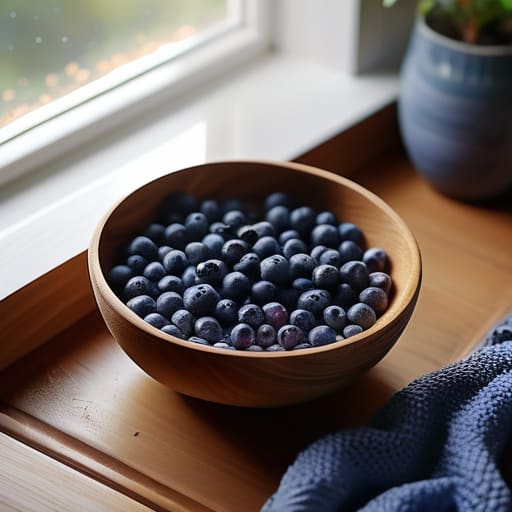
At the end of the day, boosting your immune system isn’t about achieving some impossible standard of “wellness” or spending hours prepping elaborate, organic meals. It’s really just about the basics: getting a little more sleep when you can, keeping your hydration levels steady, and choosing the easiest nutrient-dense foods that don’t require a massive cleanup. If you can’t do a full grocery shop, just grab a bag of frozen berries or a rotisserie chicken. If you can’t hit eight hours of sleep, aim for one extra thirty-minute window tonight. We aren’t looking for perfection here; we are just looking for low-friction habits that support your body without draining your remaining mental energy.
Please be kind to yourself if you have a week where you live entirely on takeout and caffeine. Your immune system is remarkably resilient, and it doesn’t need you to be a saint to function well. The goal is to build a foundation of small, repeatable wins that carry you through the seasons when you’re feeling most vulnerable. Focus on what you can actually manage right now, even if it’s just drinking one extra glass of water before bed. You don’t need to overhaul your entire life to feel better; you just need to make things slightly more manageable, one tiny choice at a time.
Frequently Asked Questions
Does it actually matter if I take supplements like Vitamin C or Zinc, or is real food enough?
Look, I’m not a doctor, but I’ve learned that chasing the “perfect” supplement routine is just another way to add mental clutter. If you’re eating decent meals, you’re likely getting most of what you need. Supplements can be a helpful safety net—especially if you’re traveling or stuck in a winter slump—but they aren’t a magic fix for a poor diet. Think of them as a backup plan, not the main event.
How much of a difference does sleep really make when I'm already feeling run down?
Honestly? It’s probably the biggest lever you have. When you’re already feeling run down, your body is essentially trying to run a massive software update in the background, and sleep is that update. If you skip it, the system just glitches. You don’t need a perfect ten-hour sleep schedule, but even an extra hour of actual rest can be the difference between pushing through a cold and being totally sidelined for a week.
Are there specific ways to manage stress that won't feel like just another chore on my to-do list?
The trick is to stop treating “self-care” like a project you need to complete. If a 20-minute meditation feels like a chore, don’t do it. Instead, look for “micro-breaks” that already fit into your existing friction points. Try taking three deep breaths while your coffee brews, or stepping outside for two minutes of sunlight between meetings. These aren’t tasks; they’re just tiny resets that keep your nervous system from redlining.


I believe that life doesn't need to be optimized to perfection, just made slightly more manageable. My goal is to help you find systems that actually work when you're tired, not just when you're motivated. Let's focus on small, repeatable wins that clear the path for what actually matters.