Smart Ways to Store Seasonal Gear So It’s Easy to Find
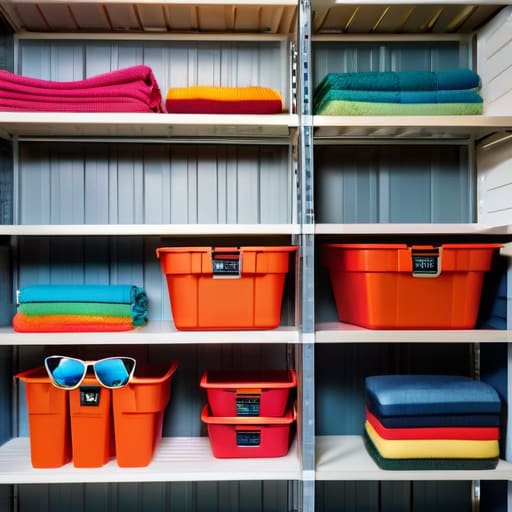
I used to think that mastering how to store seasonal items meant investing in those expensive, color-coded acrylic bins you see all over Pinterest—the kind that look beautiful in a staged living room but are a total nightmare to actually use. Last October, I found myself staring at a mountain of half-packed holiday decor and summer gear, feeling completely defeated because my “system” was too fragile to survive a single busy week. I realized then that most organizational advice is designed for people with limitless free time, not for those of us trying to manage a career and a home without losing our minds.
I’m not here to tell you how to turn your closet into a museum exhibit. Instead, I want to share the low-friction methods I’ve actually used to keep my space functional when I’m too tired to be “perfect.” We’re going to focus on realistic storage solutions that prioritize ease of access over aesthetics. My goal is to help you set up a system that works even on your worst days, so you can stop fighting your clutter and start actually enjoying the change of seasons.
Finding the Best Containers for Seasonal Decor
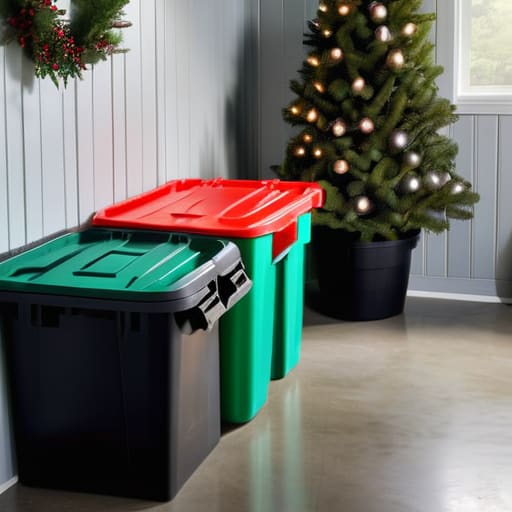
When it comes to picking out the right gear, I’ve learned the hard way that “one size fits all” is a lie. You don’t need a professional-grade filing system, but you do need to be intentional. If you’re dealing with heavy garlands or bulky artificial trees, go for heavy-duty plastic bins with locking lids. These are much better for preventing moisture damage in storage bins, especially if you’re tucking them away in a basement or a garage where the air gets a little funky. For everything else, clear bins are my absolute go-to; being able to see what’s inside without playing a guessing game is a massive win for my mental energy.
If you have a collection of delicate glass baubles or heirloom pieces, skip the cheap, flimsy bins. You’ll want something with more structure or even specialized dividers for protecting fragile ornaments during storage. I usually keep a small stash of acid-free tissue paper on hand to wrap the more sensitive bits. The goal isn’t to create a museum archive, but to make sure that when next December rolls around, you aren’t spending your first afternoon of decorating unboxing a pile of broken glass.
A Labeling System for Seasonal Bins That Actually Works
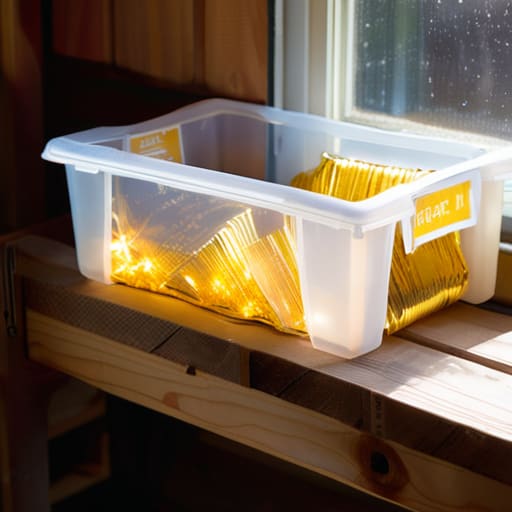
Look, I’ve tried the whole “aesthetic” labeling thing with those fancy, uniform chalk markers, and honestly? It’s a chore. If a system feels like extra work, I’m eventually going to stop doing it, and then I’m back to digging through five identical plastic bins just to find one strand of fairy lights. For me, a labeling system for seasonal bins only works if it’s low-friction. I use a thick black Sharpie directly on the side of the bin, or better yet, I tape a piece of masking tape to the front. It’s not pretty, but it’s fast, and it tells me exactly what’s inside without me having to play detective every November.
The real trick is being specific enough that you don’t have to open the lid. Instead of just writing “Christmas,” I’ll write “Tree Ornaments & Fragile Baubles” or “Outdoor Lights/Extension Cords.” This is especially helpful when you’re protecting fragile ornaments during storage; you don’t want to be rummaging through a heavy bin and accidentally crushing something delicate because you weren’t sure which box held the glass pieces. If you can see the contents at a glance, you save yourself that micro-moment of frustration that usually leads to me just giving up and leaving the mess for tomorrow.
5 Ways to Keep the Chaos at Bay
- Don’t try to store everything at once. If you wait until the day after Christmas to pack everything away, you’ll end up just shoving things into random boxes because you’re exhausted. Try to do one category at a time—like just the lights or just the tabletop decor—so it doesn’t feel like a mountain you can’t climb.
- Use the “one-in, one-out” rule for your decor. If you bought a new set of pumpkin spice-themed pillows this year, something else from last year has to go into a donation bin or the trash. Our storage space isn’t infinite, and we shouldn’t be paying “rent” in square footage for things we don’t even like anymore.
- Group things by “activity” rather than just by type. Instead of having a bin for “ornaments” and another for “garland,” try a “tree decorating” bin that has the lights, the ornaments, and the tree skirt all in one place. It saves you from that frantic scavenger hunt when you’re finally ready to get festive.
- Protect the fragile stuff with what you already have. You don’t need to buy expensive, specialized foam inserts for every single glass bauble. Use your clean kitchen towels or even some leftover bubble wrap from your last Amazon delivery. It’s functional, it’s free, and it gets the job done.
- Be honest about what you actually use. If you spent three hours setting up a specific display last year and it felt like a chore rather than a joy, don’t pack it up to do it again this year. Just let it go. Clearing that mental and physical clutter is worth more than a slightly more elaborate mantle.
The Low-Stress Summary
Don’t aim for aesthetic perfection; just prioritize clear bins so you can actually see what’s inside without digging through every box.
Label things by what’s in them, not just “Holiday Decor”—being specific saves you from a mid-December meltdown when you can’t find the specific string of lights you need.
Focus on systems that work even when you’re exhausted, meaning if a storage method feels like a chore, it’s probably not the right one for your life.
Stop Overthinking the Storage
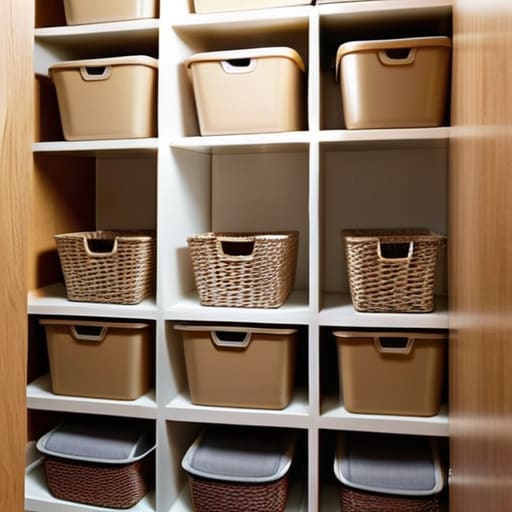
At the end of the day, the goal isn’t to create a perfectly curated museum in your storage closet; it’s about reducing the friction of next season. You’ve picked out your containers, you’ve sorted the items that actually bring you joy, and you’ve slapped on labels that actually make sense. Whether you’re using heavy-duty plastic bins or just repurposing old cardboard boxes, the important part is that these items are out of your sight and out of your way. Once everything is tucked into its designated spot, take a second to appreciate the extra breathing room you’ve just reclaimed in your living space.
Don’t let the pursuit of a “perfectly organized home” become another item on your overwhelming to-do list. If you only get the holiday lights into a bin and leave the rest for next month, that is still a win. We aren’t aiming for some unattainable Instagram aesthetic; we are just trying to make our future selves a little less stressed when the seasons inevitably shift. Clear the clutter, find your rhythm, and then get back to living your life. You’ve done enough for today.
Frequently Asked Questions
Where is the actual best place to put these bins so they don't just become a permanent obstacle in my hallway or closet?
The biggest mistake I made early on was treating my “storage” like a permanent extension of my living space. If it’s in your hallway, it’s just clutter with a deadline. Aim for the “dead zones”: the very top of your closet, under the bed, or that awkward gap between the washer and dryer. If you’re renting, look into slim rolling bins that slide under furniture. If it’s out of sight, it’s out of mind.
How do I keep my fragile decorations from getting crushed or broken when I stack the heavy bins on top?
The trick is to stop thinking about “stacking” and start thinking about “weight distribution.” I never put my delicate glass ornaments or ceramic pieces in the bottom bins. I use clear, heavy-duty plastic bins for the heavy stuff—like heavy artificial greenery or bulky tablecloths—and reserve the lightweight, stackable totes for the fragile stuff. If you absolutely have to stack them, use a sturdy shelf or a small wire rack inside your closet to create a “bridge” so the weight isn’t actually resting on the decorations.
Do I really need to invest in expensive vacuum bags for things like holiday linens, or will regular bins do the trick?
Honestly? Don’t feel pressured to go all-in on the vacuum seal hype unless you’re dealing with massive, bulky items like a heavy winter duvet. For most holiday linens or table runners, standard plastic bins are plenty. If you’re tight on space, vacuum bags are great for compression, but they can be a pain to reopen when you actually need the item. For me, a sturdy, clear bin is the sweet spot between saving space and staying sane.


I believe that life doesn't need to be optimized to perfection, just made slightly more manageable. My goal is to help you find systems that actually work when you're tired, not just when you're motivated. Let's focus on small, repeatable wins that clear the path for what actually matters.