Ways to Organize Your Closet and Maintain the Order
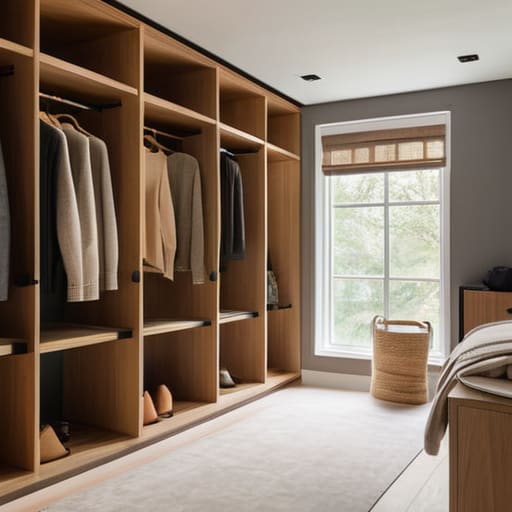
I’m going to say something that might get me kicked out of some aesthetic Pinterest circles: you don’t need a $200 custom shelving system or a collection of identical velvet hangers to figure out how to organize a closet. I used to think that if my space didn’t look like a high-end boutique, I had failed at being an adult. But honestly? Most of those “perfect” organization tutorials are just extra work disguised as a hobby. They focus on making things look pretty for a photo, rather than making things actually functional for a Tuesday morning when you’re running five minutes late and can’t find your favorite blazer.
I’m not here to sell you on a lifestyle overhaul that requires a weekend of intense labor and a massive credit card bill. Instead, I want to share the low-maintenance systems I’ve built to help me survive my own busy life. We’re going to focus on small, repeatable wins—like grouping items by how you actually use them rather than by color—so that your closet works for you, even on the days when you’re too tired to care about perfection.
Decluttering Clothes Tips for When Youre Feeling Overwhelmed

If you’re staring at a mountain of fabric and feeling that immediate urge to just close the door and walk away, I get it. The mistake most people make is trying to tackle everything at once. When I’m feeling burnt out, I don’t try to “curate a capsule wardrobe”; I just try to find the things I actually wear. One of my favorite decluttering clothes tips is to use the “five-item rule.” Pick just five things you know for a fact you won’t wear again—maybe that itchy sweater or the jeans that don’t quite fit right—and get them out of the room. That’s it. Small wins matter.
Once you’ve cleared a tiny bit of breathing room, stop there for the day. Don’t push into the heavy lifting unless you actually have the mental bandwidth. If you’re working with limited square footage, focus on removing the excess before you even think about buying fancy bins or new hangers. You can’t implement effective small closet organization hacks if you’re still trying to force a year’s worth of clothes into a space meant for a single season. Just clear the floor first.
Small Closet Organization Hacks That Actually Stick
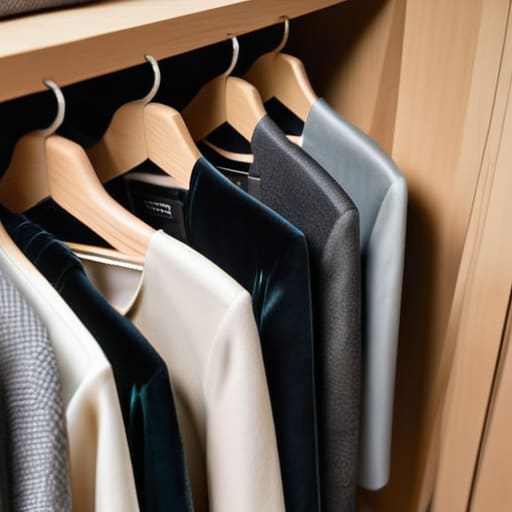
Once you’ve cleared the initial mountain of laundry, the goal isn’t to build a museum; it’s to make sure you can actually see what you own. I’ve learned that the biggest mistake we make is fighting against the dimensions of the space. Instead of trying to force more stuff into the same footprint, focus on maximizing vertical closet space. If you have empty air above your hanging rods, that is prime real estate. I swear by stackable, slim velvet hangers—they save a massive amount of horizontal room and prevent things from sliding off when you’re rushing out the door.
Another thing that has saved my sanity is getting things off the floor. If your shoes are in a pile, they’ll stay in a pile. I’m not saying you need an expensive custom built-in, but looking into simple closet storage solutions for small spaces, like over-the-door organizers or hanging cubbies, can change everything. It’s about creating a designated “home” for every item so that when you’re exhausted on a Tuesday night, you aren’t hunting through a heap just to find a matching pair of flats.
Five Low-Maintenance Systems for a Closet That Stays Functional
- Stick to uniform hangers. I know, it sounds like a Pinterest cliché, but switching to all slim velvet hangers is a game-changer. It stops your clothes from sliding off onto the floor and, more importantly, it creates enough physical space that you aren’t fighting a wardrobe battle every single morning.
- Group by category, not by color. While color-coding looks great in photos, it’s useless when you’re running five minutes late. Group your stuff by “work tops,” “jeans,” or “sweaters.” It makes the mental load of picking an outfit much lighter when you’re still half-asleep.
- Use the “One-In, One-Out” rule for basics. If you buy a new heavy knit sweater, one old one has to go—either to donation or the bin. This prevents that slow, creeping clutter that eventually makes your closet doors hard to shut.
- Utilize vertical space with shelf dividers. If you stack sweaters or jeans on a shelf, they inevitably turn into a leaning tower of fabric within a week. A few simple acrylic dividers keep the stacks straight so you can grab one item without the whole pile collapsing on your head.
- Keep a “Maybe” bin tucked away. If you’re struggling to let go of something but you haven’t worn it in six months, don’t force a decision while you’re stressed. Put it in a bin. If you don’t go looking for it in the next three months, you can safely donate the whole box without the guilt.
The Bottom Line
Stop aiming for a Pinterest-perfect closet and focus on a system that works even when you’re running on four hours of sleep.
Prioritize visibility; if you can’t see it or reach it without a struggle, you’re probably just going to leave it in a pile on the floor.
Build in “low-friction” habits, like a designated spot for tomorrow’s outfit, to prevent the clutter from creeping back in next week.
Just Keep It Manageable
At the end of the day, organizing your closet isn’t about achieving that Pinterest-perfect, color-coded aesthetic that looks great in a photo but falls apart the second you actually live your life. It’s about the small, practical shifts we talked about—deciding what to let go of when you’re feeling low on energy, using simple dividers to keep things from becoming a jumbled mess, and setting up systems that actually work even when you’re running late for a meeting. If you’ve managed to clear even one shelf or finally get those seasonal sweaters into a bin, you’ve already won. The goal isn’t a showroom; it’s just reducing the friction of your morning routine so you can focus on your coffee instead of your laundry.
Don’t feel like you have to tackle the whole wardrobe in one weekend. If you try to do too much at once, you’ll just end up with a mountain of clothes on your bed and a sense of defeat. Just take it one drawer or one category at a time. Life is messy, and your closet will inevitably get a little chaotic again—that’s okay. The point is to have a functional baseline to return to when things get overwhelming. You don’t need perfection to feel in control; you just need a space that supports you rather than draining you.
Frequently Asked Questions
I don't have a huge budget—can I actually do this with just some cheap bins and what I already have?
Absolutely. In fact, I actually prefer it that way. Please, don’t go out and buy a matching set of expensive, aesthetic linen baskets just because a Pinterest board told you to. That’s just more clutter to manage later. Grab some sturdy shoeboxes, use old containers from your pantry, or even just repurpose some smaller bins you already have. The goal is functionality, not a showroom. If it holds your stuff and keeps it visible, it’s a win.
What do I do with those "maybe" clothes that I'm not ready to throw away but haven't worn in a year?
The “maybe” pile is where organization goes to die. If you aren’t ready to part with them, don’t let them live in your primary closet—that just creates visual noise. Grab a dedicated box or a specific bin and label it with a date. If you haven’t reached for anything in that box by next season, you have your answer. It’s a low-stakes way to clear your space without the immediate guilt of tossing something.
How do I keep it organized once I've actually finished, without it turning back into a mess in two weeks?
The secret isn’t a better bin; it’s lowering the barrier to entry. If your organization system requires a PhD to maintain, it’s going to fail by Tuesday. I use the “one-touch rule”—if I take it off the hanger, it goes straight back or into the hamper, never the “chair.” Also, give yourself a little “buffer zone.” If everything is packed tight, one stray sweater ruins the whole system. Leave some breathing room so life can actually happen.


I believe that life doesn't need to be optimized to perfection, just made slightly more manageable. My goal is to help you find systems that actually work when you're tired, not just when you're motivated. Let's focus on small, repeatable wins that clear the path for what actually matters.