Turning a Layoff Into a Career Opportunity

I remember sitting at my desk three years ago, staring at a “restructuring” email that felt like a physical punch to the gut. My first instinct wasn’t to update my LinkedIn or “network aggressively”—it was to sit in my car in the parking lot for forty minutes because I was too overwhelmed to even breathe. Most of the advice you find online about how to survive a layoff assumes you have the endless energy to “grind” and “hustle” your way into a new role immediately. But let’s be real: when you’re reeling from the shock, a ten-step strategic career pivot feels less like a plan and more like unnecessary noise.
I’m not here to give you a polished, corporate playbook that requires you to be a superhero. Instead, I want to share the low-energy, practical systems I used to keep my head above water when my world felt completely sideways. We are going to focus on small, repeatable wins—from managing your immediate cash flow to setting boundaries for your mental health—so you can navigate this transition without burning out before you even land the next gig.
Securing Your Safety Net and Unemployment Benefits Eligibility

First things first: don’t let the paperwork intimidate you. As soon as you get that official notice, your priority is checking your unemployment benefits eligibility. It feels like a chore, but filing that claim immediately is the single best way to create a buffer while you figure out your next move. I know it feels weird to “ask for help,” but this is exactly what these systems are for—they are the safety net designed to catch you when the floor drops out.
While you’re navigating the bureaucracy, take a breath and look at whatever exit paperwork they handed you. If there is a discussion around a departure agreement, look closely at any severance package negotiation tips you can find online before you sign anything. You don’t have to be a legal expert, but knowing whether you can extend your healthcare coverage or negotiate an extra few weeks of pay can make a massive difference in your financial planning after job loss. It’s not about being greedy; it’s about making sure you have enough runway to breathe.
Simple Financial Planning After Job Loss for Real Life
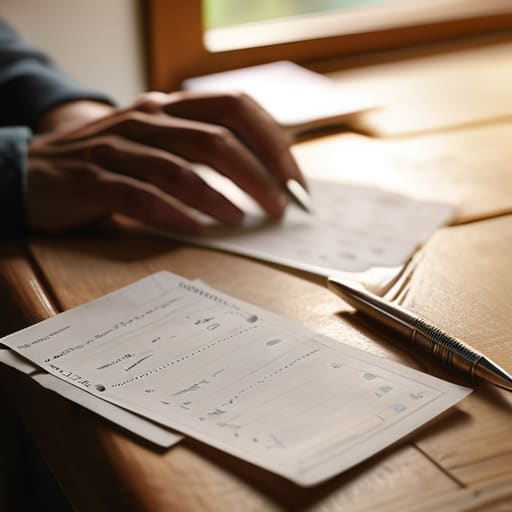
Once the initial shock wears off, you’re going to face the “math” part of this, and honestly, that’s usually when the panic sets in. My advice? Don’t try to build a complex spreadsheet if that’s not your thing. Just sit down with your bank statements and figure out your absolute baseline. What is the bare minimum you need to keep the lights on and the fridge full? This isn’t about long-term financial planning after job loss right now; it’s about triage. Look at your subscriptions, your recurring deliveries, and those “convenience” costs that we all lean on when we’re busy. Cutting them isn’t a failure; it’s just clearing space so you can breathe.
If you received a payout, resist the urge to treat it like a windfall. It’s not a bonus; it’s your runway. I’ve learned that treating your severance like a bridge rather than a cushion makes a huge difference in your stress levels. If you can, set aside a specific portion for your essentials and leave the rest untouched. Knowing exactly how many weeks of “runway” you actually have can take a lot of the mystery—and the fear—out of the equation.
Low-Energy Strategies for Navigating the Job Search
- Don’t try to “hustle” 24/7. It’s a recipe for burnout before you even land an interview. Instead, set a timer for two hours a day of focused work—updating your LinkedIn, tweaking a resume, or sending one meaningful email—and then actually stop. Your brain needs the downtime to stay sharp for when the real opportunities pop up.
- Curate your digital environment. When you’re feeling vulnerable, seeing everyone’s “I’m happy to announce” posts on LinkedIn can feel like a punch to the gut. It’s okay to mute certain keywords or step away from the feed entirely. You don’t need the comparison trap adding to your stress.
- Treat your routine like a non-negotiable appointment. When your work schedule disappears, the days can start to bleed together in a way that feels heavy and aimless. Keep a loose structure: get dressed, move your body for fifteen minutes, and sit at a dedicated workspace. It sounds small, but it keeps the “drift” at bay.
- Focus on “micro-networking” rather than big events. I used to think networking meant awkward mixers, but it’s actually much easier to just reach out to one former colleague for a quick catch-up coffee or a brief Zoom call. It’s lower pressure and much more effective for finding out who is actually hiring.
- Build a “Done List” instead of just a “To-Do List.” On the days when you feel like you haven’t accomplished anything because you aren’t “at work,” write down what you actually did—even if it was just calling the insurance company or finally organizing your desk. It provides a visual reminder that you are still moving forward, even on the slow days.
The Bare Minimum Checklist for Right Now
Prioritize your immediate safety net by filing for unemployment and checking your benefits immediately—don’t let the paperwork pile up while you’re still processing the shock.
Create a “survival budget” that focuses only on the non-negotiables like rent and groceries, giving yourself permission to cut all the extra noise until you have a new steady income.
Aim for small, low-energy wins every day to keep from spiraling, whether that’s just updating one section of your resume or finally organizing your physical planner for the week ahead.
One Step at a Time

We’ve covered a lot of ground, from the immediate logistics of filing for unemployment to the much scarier task of looking at your bank account and figuring out a realistic budget. It’s easy to feel like you need to solve your entire career trajectory by next Tuesday, but that’s a recipe for burnout. The goal here isn’t to have a perfect five-year plan by tomorrow morning; it’s about securing your basics and making sure your financial foundation is stable enough to let you breathe. Focus on the small, repeatable wins—getting that paperwork filed, trimming the subscriptions you don’t use, and just keeping your head above water.
If you’re feeling overwhelmed right now, please remember that your job title is not your identity. A layoff is a massive disruption, and it’s okay to be angry, exhausted, or just plain tired. You don’t have to be “on” all the time, and you certainly don’t have to hustle through the grief of losing a role. Just focus on the next right thing. Eventually, the fog will clear, and you’ll find your footing again. For now, just be kind to yourself and take it one manageable step at a time. You’ve got this.
Frequently Asked Questions
How do I handle the awkwardness of telling my friends and family I lost my job without feeling like a failure?
The “announcement” part is honestly the most draining bit. I used to overthink it, rehearsing scripts like I was preparing for a deposition. Here’s my rule: keep it low-stakes. Don’t make it a “we need to talk” moment. A quick text or a casual mention during dinner works best. “Hey, just a heads up, my role was impacted by a layoff. I’m processing it, but wanted you to hear it from me.” It sets a boundary without inviting a pity party.
Should I start updating my LinkedIn immediately, or is it better to take a week off to just breathe first?
Honestly? Take the week. If you jump straight into LinkedIn while you’re still in shock, you’re going to end up with a profile that feels frantic or, worse, half-baked. Your brain needs a second to transition from “employee” to “job seeker.” Give yourself a few days to just breathe and process the news. Once the initial dust settles, you’ll have the clarity to update your profile with intention rather than just panic.
How do I keep a daily routine going when I don't have a set schedule to follow anymore?
When the structure of a 9-to-5 vanishes, the days can start to feel like one long, blurry afternoon. My rule is to anchor your day with “bookend” habits. Don’t try to schedule every hour—that’s a recipe for burnout. Instead, pick one thing you do every morning (like making coffee and checking your planner) and one at night. These small, non-negotiable anchors keep you grounded without the pressure of a rigid itinerary.


I believe that life doesn't need to be optimized to perfection, just made slightly more manageable. My goal is to help you find systems that actually work when you're tired, not just when you're motivated. Let's focus on small, repeatable wins that clear the path for what actually matters.