The Ultimate Deep Cleaning Guide for a Perfectly Clean House
I used to stare at those aesthetic, 50-step “ultimate” cleaning guides on Pinterest and feel nothing but immediate burnout. You know the ones—they suggest you spend your entire Saturday scrubbing baseboards with a toothbrush while listening to a motivational seminar. It’s total nonsense. Most of those exhaustive deep cleaning checklist templates are designed for people who have zero jobs and unlimited stamina, not for those of us trying to manage a career and a life. Real life is messy, and trying to follow a rigid, perfectionist schedule is the fastest way to ensure you never actually start.
I’m not here to sell you on a lifestyle overhaul or a cabinet full of expensive, niche chemicals. Instead, I’ve put together a realistic, tiered deep cleaning checklist based on what actually works when my brain is fried and my energy is low. This is about small, repeatable wins that make your space feel human again without draining your mental battery. We’re going to focus on high-impact zones and manageable chunks, so you can get the reset you need and actually sit down to relax afterward.
Essential Spring Cleaning Essentials That Actually Work
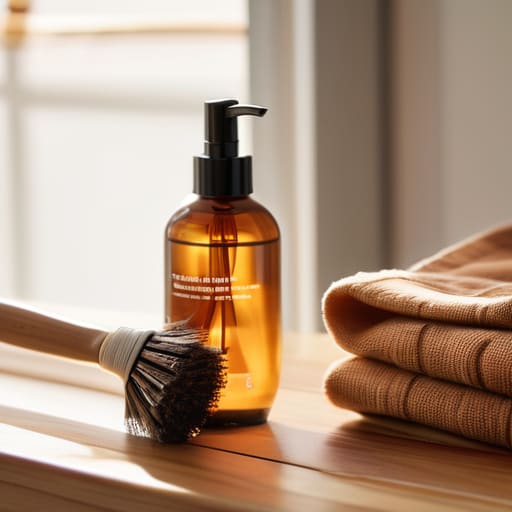
I used to think I needed a warehouse full of specialized chemicals to get a house truly clean, but my experience in operations has taught me that over-complicating the toolkit is just another way to procrastinate. You don’t need a different spray for every surface; you just need a few reliable staples. I keep my deep cleaning supplies list incredibly lean: a high-quality microfiber cloth set, a versatile all-purpose cleaner, a degreaser for the kitchen, and a good scrub brush. If you have those, you’re already halfway there.
The real secret isn’t the chemicals, though—it’s the organization. I’ve learned that having a designated caddy to carry my supplies from room to room saves me from that frustrating loop of walking back to the under-sink cabinet every five minutes. Instead of getting overwhelmed by a massive, vague project, I treat my supplies like a mobile workstation. When you pair a functional kit with a simple room by room cleaning guide, the process stops feeling like a marathon and starts feeling like a series of small, manageable tasks.
Kitchen Deep Cleaning Tasks for a Faster Reset
The kitchen is usually the biggest source of mental friction because it’s where the mess accumulates fastest. Instead of looking at the whole room and feeling paralyzed, I find it helps to break my kitchen deep cleaning tasks into zones. Start with the surfaces that you touch every single day. Wipe down the cabinet fronts, degrease the stovetop, and finally, tackle the inside of the microwave. If you try to do everything at once, you’ll burn out by noon, so just aim to clear the visual clutter first.
Once the surfaces are clear, move on to the “hidden” spots that collect dust and crumbs. This is where a good room by room cleaning guide becomes useful. Pull out the toaster to clean the crumb tray, wipe down the baseboards, and give the top of the fridge a quick once-over. If you have the energy, check your pantry for expired goods—using simple decluttering techniques for home can prevent you from buying duplicates next time you shop. The goal isn’t a showroom-perfect kitchen; it’s just a space that feels functional and fresh again.
Five Ways to Tackle the List Without Burning Out
- Work from top to bottom. It sounds basic, but if you vacuum the floors first and then dust the ceiling fans, you’re just going to have to clean the floors all over again. Start high, let the dust fall, and finish low.
- Use the “one room, one timer” rule. Instead of looking at the whole house and feeling paralyzed, set a timer for 20 minutes in a single room. When it dings, you’re allowed to stop. It makes the mountain feel like a series of small hills.
- Don’t buy every specialized chemical on the market. Most of the time, a good microfiber cloth, some dish soap, and white vinegar do 90% of the heavy lifting. Save your money for things that actually matter, like a new plant or a decent mechanical keyboard switch.
- Group your tasks by “energy level” rather than just location. If you’re feeling motivated, tackle the scrubbing and heavy lifting. If you’re running on fumes after a long workday, just do the “surface” stuff like clearing counters or emptying the trash.
- Accept that “done” is better than “perfect.” There will always be a corner you missed or a baseboard that’s still a little dusty. If you aim for perfection, you’ll never finish. Aim for “clean enough to breathe easy,” and call it a win.
The Low-Energy Approach to a Clean Home
Don’t aim for perfection; pick three small, manageable tasks from the list so you can actually sit down and relax once you’re done.
Focus on systems that work even when you’re exhausted, prioritizing high-impact areas like the kitchen to get the fastest sense of a reset.
Use functional tools that actually make the job easier rather than buying every trendy gadget on the market.
A Realistic Way to Finish
At the end of the day, a deep clean isn’t about achieving some sterile, showroom-ready perfection that you can’t actually live in. It’s about tackling the kitchen grease, dusting those neglected corners, and clearing the visual clutter so your home feels like a place where you can actually breathe. Whether you managed to knock out the entire kitchen checklist or you only found the energy to scrub the stovetop and wipe down the counters, you’ve made progress. The goal was to reduce the friction in your environment, and even a partial win is better than staring at a mounting to-do list and feeling paralyzed by it.
Please, don’t let the “all or nothing” mentality ruin the momentum you’ve built. If you find yourself halfway through the list and suddenly exhausted, stop. Your house won’t fall apart if the baseboards wait another week. The most effective systems are the ones that respect your energy levels, not the ones that demand you act like a robot. Use these checklists as a guide, not a strict set of rules. Focus on what makes your space feel more manageable, and remember that a little bit of order goes a long way in helping you reclaim your mental space.
Frequently Asked Questions
How do I tackle a deep clean when I only have an hour of free time on the weekends?
If you only have sixty minutes, stop thinking about “deep cleaning” and start thinking about “high-impact zones.” Don’t waste time organizing your junk drawer. Instead, set a timer and pick one room—usually the kitchen or living area—and hit the surfaces. Wipe the counters, clear the visual clutter, and vacuum the main walkway. It’s about resetting the space so you don’t wake up to chaos on Monday. Small wins, not perfection.
Is it actually worth buying specialized cleaning products, or can I just use what I already have under the sink?
Honestly? Most of the time, you’re just paying for fancy packaging and a scent that disappears in ten minutes. I used to think I needed a specific spray for every surface, but my cabinet was overflowing. Unless you’re dealing with heavy limescale or something truly stubborn, a good all-purpose cleaner, some dish soap, and white vinegar will get you 90% of the way there. Save your money for better coffee or a new plant.
How often should I actually be doing these "deep" tasks versus just my regular weekly tidy-up?
Honestly, I try not to overthink it. I treat my weekly tidy-up like brushing my teeth—it’s just maintenance to keep things from getting gross. Deep cleaning is different; it’s for when things start feeling heavy. I usually tackle one “deep” zone every two weeks so I don’t burn out. If you try to do it all once a month, you’ll end up dreading it. Just pick one area, do it well, and move on.


I believe that life doesn't need to be optimized to perfection, just made slightly more manageable. My goal is to help you find systems that actually work when you're tired, not just when you're motivated. Let's focus on small, repeatable wins that clear the path for what actually matters.