The Only First Apartment Checklist You’ll Ever Need
I still remember the sheer, unadulterated panic of my first night in a studio apartment, sitting on a cardboard box and realizing I didn’t even have a way to make coffee. Moving is one of those life milestones that feels incredibly exciting until you’re staring at a mountain of bubble wrap and a bank account that’s looking a little thin. Most people will give you a massive, overwhelming first apartment checklist that assumes you have the budget of a tech mogul and the energy of a marathon runner. But honestly? If you try to buy everything at once, you’ll end up with a cluttered space and a massive amount of decision fatigue before you’ve even unpacked your socks.
I’m not here to help you build a showroom; I’m here to help you survive the first week without losing your mind. In this guide, I’ve narrowed things down to the five absolute essentials that will actually make your life easier when you’re too exhausted to function. We’re skipping the decorative throw pillows and focusing on the practical basics that turn a cold, empty room into a functional home. Let’s get you set up with a few small, repeatable wins so you can finally relax in your own space.
The "Day One" Survival Kit
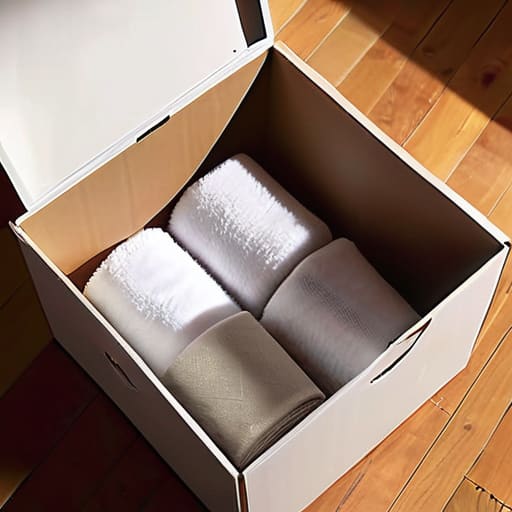
When I moved into my first place, I spent six hours looking for my toothbrush because I’d packed it deep inside a taped-up box. Please, don’t do that to yourself. Before you even think about unpacking your decorative pillows or organizing your bookshelf, pack a separate, clearly labeled “survival box” that stays with you in the car. This should include the absolute essentials: toilet paper, a shower curtain (trust me, you’ll want that first shower), basic toiletries, a phone charger, and a few sets of towels.
Kitchen Essentials (The Bare Minimum)
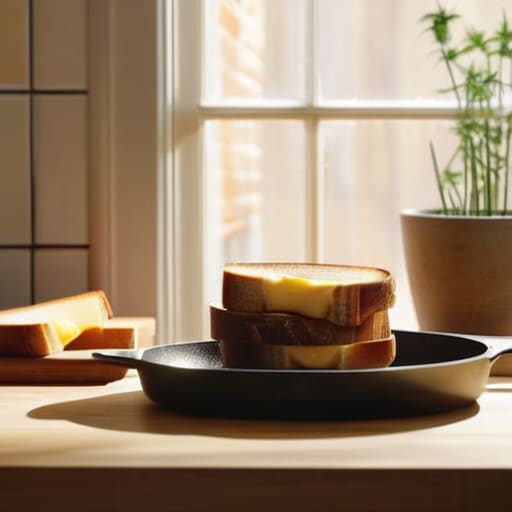
I used to think I needed a 12-piece spice rack and a professional-grade blender to be a “real” adult, but the truth is, you can survive a lot longer with just the basics. Focus on the items that allow you to perform low-effort maintenance on your own nutrition. You need one good chef’s knife, a cutting board, a medium pot, a skillet, and a few sets of plates and utensils. If you can make pasta or a grilled cheese, you have officially mastered the first apartment kitchen.
The Lighting and Power Situation
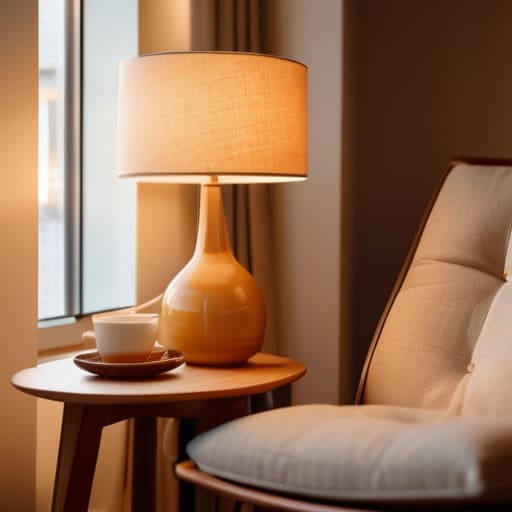
Most apartments come with that harsh, soul-crushing overhead lighting that makes everything feel like a hospital waiting room. It’s one of those things that sounds trivial until you’re sitting in a dim room trying to relax after a long shift. I highly recommend picking up a couple of cheap floor lamps or even some small table lamps early on. It’s the fastest, easiest way to make a sterile new space feel like it actually belongs to you.
A "Soft Landing" Setup
You are going to be tired. Not just “I need a nap” tired, but “my entire body aches from lifting boxes” tired. Because of that, your bed setup should be your highest priority after the survival kit. Even if you haven’t bought a bed frame yet and you’re sleeping on a mattress on the floor, make sure you have clean, comfortable sheets and at least two pillows.
The Cleaning Command Center
It’s tempting to wait until the place is visibly filthy to buy cleaning supplies, but I’ve found that a “pre-emptive strike” is much more efficient. Before you move your clothes and furniture into your new rooms, do a deep sweep of the floors and surfaces. It is much easier to scrub a kitchen counter when it isn’t covered in your toaster and coffee maker.
The Bottom Line
Prioritize function over aesthetics; your goal is to have a working kitchen and a place to sleep, not a showroom.
Focus on the “survival basics” first so you aren’t scrambling for a towel or a spoon when you’re too exhausted to function.
Don’t feel pressured to buy everything at once—buy what you need as you realize you actually need it.
One Step at a Time
At the end of the day, your first apartment doesn’t need to look like a showroom or function like a high-end hotel. If you have the basics covered—the kitchen essentials so you aren’t living on takeout, the cleaning supplies to keep the grime at bay, and a comfortable place to crash—you’ve already won. Don’t let the endless scrolling through home decor feeds convince you that you’re “behind” because you’re still using a mismatched set of mugs or a folding chair. Focus on the functional essentials first. Once the friction of daily survival is removed, you’ll actually have the mental bandwidth to decide how you want the rest of your space to look.
Moving is exhausting, and the transition to living on your own is a massive shift in your personal ecosystem. There will be days when you’re staring at a pile of half-unpacked boxes and feeling completely overwhelmed, and that’s okay. My advice? Just aim for small, repeatable wins. If you only manage to unpack one drawer today, call it a victory. You are building a home, not a museum, and that process takes time. Take a breath, grab a coffee, and remember that you’re doing better than you think you are.
Frequently Asked Questions
Should I prioritize buying furniture now, or wait until I've actually lived in the space for a month?
Wait. Seriously, wait. I know the impulse to go full IKEA on day one is strong, but there is nothing worse than committing to a massive sofa only to realize it blocks the natural light or makes the room feel cramped. Live in the space for a month first. Figure out your actual flow—where you drop your keys, where you actually sit to drink coffee—and then buy pieces that fit your real life, not your Pinterest board.
Is it worth investing in higher-end kitchen gear right away, or should I just stick to the bare minimum for now?
Honestly? Stick to the bare minimum. I used to think I needed a professional-grade chef’s knife and a Le Creuset dutch oven to “adult” properly, but it just ended up being clutter I had to clean. Buy one decent knife and a solid pan, then stop. You’ll learn how you actually cook—and how much space you really have—over the next few months. Don’t waste your moving budget on gear you might not even use.
How do I figure out what I actually need versus what I'm just buying because it looks good in an apartment tour?
I call this the “Tuesday Night Test.” When you see something cute—like a sculptural vase or a specific rug—ask yourself: Will this make my life easier on a random, exhausting Tuesday? If it’s just for looking at, it’s a want. If it helps you function (like a decent power strip or a reliable trash can), it’s a need. Buy the stuff that serves your future, tired self first. The decor can wait until you’ve actually settled in.


I believe that life doesn't need to be optimized to perfection, just made slightly more manageable. My goal is to help you find systems that actually work when you're tired, not just when you're motivated. Let's focus on small, repeatable wins that clear the path for what actually matters.