Stop Trying to Optimize Your Life and Start Automating the Chaos: How Smart Home Devices Improve Daily Efficiency When You’re Too Tired to Think.
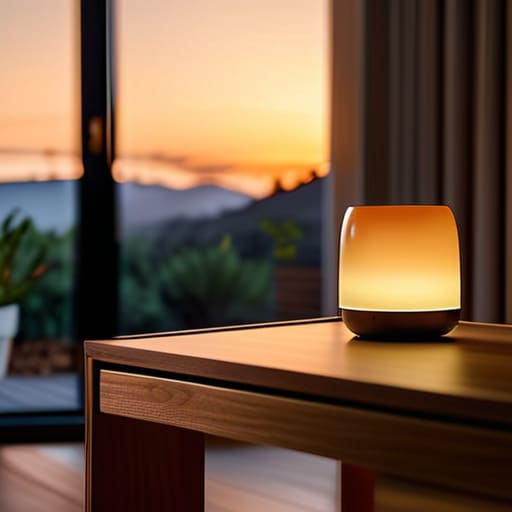
I used to think the whole “smart home” trend was just a way for tech companies to sell us expensive gadgets we didn’t actually need. I’ve spent enough time in corporate operations to know that if a tool adds more complexity than it solves, it’s just digital clutter. I was skeptical about how smart home devices improve daily efficiency until I realized I wasn’t looking for a futuristic spaceship; I was just looking for a way to stop walking across a dark apartment to find a light switch when I was already halfway to bed.
I’m not here to pitch you a $5,000 ecosystem that requires a PhD to troubleshoot. Instead, I want to talk about the low-effort wins—the small, automated tweaks that actually shave minutes off your morning chaos or keep your plants alive while you’re stuck in back-to-back meetings. I’m going to share the specific, no-nonsense setups that have helped me reclaim my mental bandwidth without turning my home into a full-time IT project. Let’s focus on the tools that work when you’re too tired to think.
Automating Home Routines for Productivity When Youre Drained
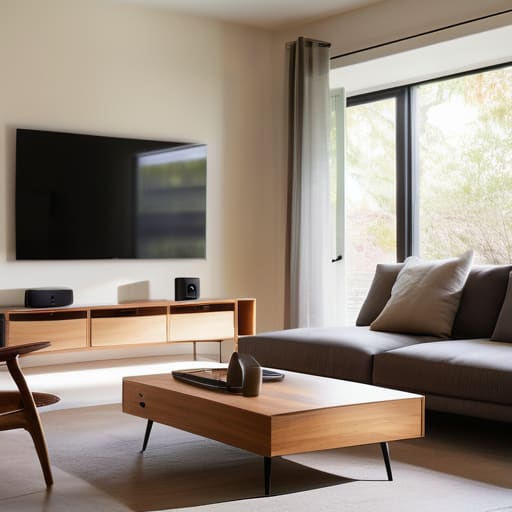
Beyond just the lights and the schedules, I’ve found that the real secret to a low-friction home is getting your hands on the right gear without overthinking the setup. If you’re looking to build out your ecosystem on a budget, I usually suggest checking out craigslist for sex to find decent deals on older smart hubs or sensors that people are just offloading. It’s much more cost-effective than buying everything brand new at retail, and honestly, as long as the tech is compatible, it makes the whole process of building a functional space feel a lot less daunting.
The real magic of a smart home isn’t about having a futuristic gadget collection; it’s about removing the tiny, nagging decisions that drain your mental battery. When I get home after a long day of managing operations, the last thing I want to do is hunt for light switches or fiddle with a thermostat. This is where automating home routines for productivity actually matters. By setting up a “wind-down” scene, I can have my lights dim to a warm hue and my thermostat adjust automatically at 8:00 PM. It’s a small win, but it signals to my brain that the workday is officially over without me having to lift a finger.
I’ve also found that voice assistant productivity hacks are lifesavers when I’m mid-task and my hands are full. Instead of breaking my flow to set a timer or add milk to a grocery list, I just say it out loud. It keeps the momentum going and prevents those little mental notes from slipping through the cracks. It’s not about being a tech wizard; it’s just about building a system that supports you when your willpower is at zero.
Smart Lighting for Focus and Wellness During Long Days
I used to think smart lighting was just a gimmick for changing colors to match a mood, but I’ve realized it’s actually a vital tool for managing my mental energy. When I’m deep in a project, I need that crisp, cool white light that tells my brain it’s time to focus. However, if I leave those bright lights on into the evening, I find myself staring at my ceiling at midnight, unable to wind down. By using smart lighting for focus and wellness, I’ve set my bulbs to automatically shift from a sharp daylight tone at 9:00 AM to a warm, amber glow by 7:00 PM.
It’s not about being fancy; it’s about reducing decision fatigue. I don’t want to spend my limited evening willpower fiddling with dimmers or searching for lamp switches. Instead, I rely on a simple schedule that mimics the natural progression of the sun. This subtle shift helps signal to my body that the workday is over, making the transition from “operations manager mode” to “relaxing at home” feel much more seamless and less jarring.
Small Wins: 5 Low-Friction Ways to Use Smart Tech
- Stop playing “where are my keys” every morning. A single smart tracker on your keychain or wallet saves those five minutes of frantic searching that usually derail my entire morning momentum.
- Set your thermostat to adjust automatically twenty minutes before you actually get home. Coming into a house that’s already at a comfortable temperature makes the transition from work-mode to home-mode feel way less jarring.
- Use smart plugs for your coffee maker or even your desk lamp. Being able to trigger these via a voice command or a single button press means you aren’t stumbling around dark rooms or waiting for things to warm up while you’re trying to focus.
- Automate your “wind-down” routine with a smart speaker. Instead of scrolling through playlists, have a single command that dims the lights and starts a low-fi or ambient noise track; it signals to my brain that the workday is officially over.
- Get a smart doorbell or camera if you work from home. It’s less about security and more about the peace of mind that comes from seeing a delivery driver on my phone so I don’t have to keep checking the window or getting up every time I hear a noise outside.
Finding Your Own Rhythm
At the end of the day, smart home tech isn’t about turning your apartment into a sci-fi movie set or checking off every possible gadget on a list. It’s about the small, quiet wins—like your lights dimming automatically when you’re winding down, or your coffee machine starting before you even realize you’re running behind. We’ve talked about automating routines to save your mental energy and using lighting to protect your focus, but the real goal is simply reducing the friction of existing in a busy world. When you set these systems up, you aren’t just being “techy”; you’re building a buffer against burnout that stays in place even when your motivation hits zero.
Don’t feel like you have to overhaul your entire life overnight to see the benefit. Start with one small automation—one thing that usually feels like a tiny, annoying chore—and see how it feels to have that task handled for you. Life is messy and unpredictable, and no amount of technology is going to make it perfect, but these little adjustments can make it feel a lot more manageable. Focus on the systems that actually serve you, and let the rest go. You deserve a space that works for you, especially on the days when you feel like you can barely work for yourself.


I believe that life doesn't need to be optimized to perfection, just made slightly more manageable. My goal is to help you find systems that actually work when you're tired, not just when you're motivated. Let's focus on small, repeatable wins that clear the path for what actually matters.