Stop Trying to Block Out the Noise: Low-energy Strategies for Improving Focus in Open Workspaces

I was sitting at my desk last Tuesday, staring at a spreadsheet that refused to make sense, while my coworker three seats down had a loud, animated debate about their weekend hiking trip. Between the rhythmic clicking of mechanical keyboards and the constant, low-grade hum of office chatter, I realized that improving focus in open workspaces isn’t about finding a magical, expensive “productivity hack” or a high-tech isolation pod. It’s about surviving the sensory onslaught without losing your mind or your job. Most of the advice out there is way too complicated; it assumes you have the energy to overhaul your entire life, when really, you just need to get through the next hour.
Sometimes, the best way to handle the mental drain of a loud office isn’t to retreat further into your headphones, but to actually reconnect with something outside of your screen. I’ve found that when my brain feels totally fried from constant interruptions, I need a change of scenery that doesn’t involve more digital noise. I’ve started looking for ways to actually meeting people in region to grab a coffee or just exist in a different social environment for an hour. It sounds counterintuitive, but getting out of that sterile, high-sensory bubble helps me reset my focus so much better than just sitting there staring at a spreadsheet while someone’s loud phone call plays in the background.
I’m not here to sell you on a lifestyle redesign or a suite of overpriced software. Instead, I want to share the small, low-effort systems I’ve actually used to reclaim my headspace when the office feels like a chaotic cafeteria. We’re going to look at a few practical, realistic ways to signal you’re busy and block out the noise, even when you’re feeling completely drained. No fluff, no perfectionism—just a few repeatable wins to help you actually get your work done.
Low Effort Noise Canceling Headphones for Productivity
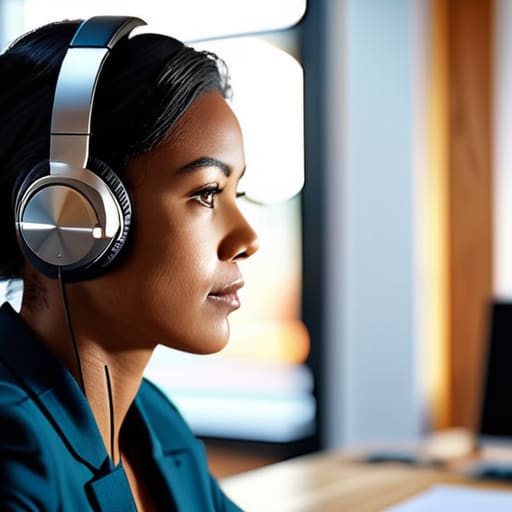
If you’re anything like me, you’ve realized that trying to “power through” the sound of a coworker’s loud phone call or the constant hum of the coffee machine is a losing battle. When I’m dealing with open office floor plan challenges, my first line of defense is almost always my headphones. I don’t necessarily need the most expensive, professional-grade studio setup, but I do need something that actually works when I’m feeling drained.
I’ve found that investing in decent noise-canceling headphones for productivity is less about being a tech geek and more about setting a physical boundary. When those cups are over my ears, it’s a universal “do not disturb” sign to the rest of the team. It’s one of my favorite low-effort deep work strategies for shared spaces because it doesn’t require me to move to a private booth or hide in a conference room. Even if I’m not playing music—sometimes I just need the silence—it helps immensely with managing sensory overload at work when the afternoon slump hits and every little click of a keyboard feels like a hammer against my skull.
Managing Sensory Overload at Work Without Burning Out
Beyond just blocking out the sound, we need to talk about the constant visual twitchiness that comes with an open office. It’s not just the loud conversations; it’s the person walking past your desk every five minutes or the flickering light in the corner of your eye. These tiny interruptions add up, and before you know it, you’re feeling completely fried. When I find myself hitting that wall, I try to implement small visual privacy solutions for desks, like repositioning my monitor or even just using a small desk plant to create a soft barrier between me and the main walkway.
If you can’t change your physical setup, you have to change how you interact with the environment. I’ve found that managing sensory overload at work is less about total isolation and more about controlled exposure. Instead of trying to power through a heavy task when the room feels chaotic, I switch to “low-brainpower” admin work until the energy in the room settles. It’s about knowing when to fight for focus and when to just pivot to something easier so you don’t end up totally burnt out by 3:00 PM.
Small ways to reclaim your headspace
- Set a “do not disturb” signal that actually works. If you don’t have a physical cue—like a specific colored desk accessory or even just a certain way you wear your headphones—people will keep hovering. I’ve found that even a small, visual “I’m in deep work” sign helps stop the casual “got a second?” interruptions that kill my momentum.
- Use “visual blinkers” to narrow your field of view. When I’m staring at a wide-open office, my eyes naturally wander to every person walking by. I try to position my monitor so it acts as a bit of a barrier, or I use a physical desk divider if I can. If you can’t move your desk, just try to face a wall or a corner rather than the main thoroughfare.
- Batch your “social” tasks. Instead of responding to every Slack message or quick question the second it pops up, I save those for specific windows. If I try to stay “on” for everyone else all day, I never actually get to my real work. Try picking two or three times a day to be the person who is available, and the rest of the time, be the person who is busy.
- Curate a “focus ritual” that signals your brain it’s time to work. For me, it’s clearing my physical desk of everything except my keyboard and my planner, then putting on a specific lo-fi playlist. It’s a small, repeatable action that tells my brain, “Okay, the chaos is outside this little square, and we are focusing now.”
- Keep a “distraction log” in your physical planner. When a random thought or a non-urgent task pops into your head while you’re trying to focus, don’t act on it. Just scribble it down in your planner and get back to what you were doing. It gets the thought out of your brain so you don’t have to carry it, but it doesn’t break your flow.
Finding Your Own Rhythm
At the end of the day, surviving an open office isn’t about finding a single magic solution that turns the noise into silence. It’s about building a little toolkit of small, manageable defenses—whether that’s investing in decent headphones, setting clear boundaries with your coworkers, or knowing when you just need to step away for five minutes to reset. You don’t need to master every single productivity hack to be effective; you just need to find the two or three things that actually lower your stress levels when the room gets too loud.
Don’t beat yourself up if you have a day where the distractions win and you feel totally scattered. Some days are for deep work, and some days are just about keeping your head above water. The goal isn’t to achieve perfect, uninterrupted focus every single hour—that’s unrealistic for most of us. Instead, aim to create a workspace that feels just a little bit more under your control. If you can win back even twenty minutes of focused time through these small shifts, you’re already doing better than you think.


I believe that life doesn't need to be optimized to perfection, just made slightly more manageable. My goal is to help you find systems that actually work when you're tired, not just when you're motivated. Let's focus on small, repeatable wins that clear the path for what actually matters.