Stop Aiming for a Showroom and Learn How to Make a Home That People Want to Visit—even When You’re Exhausted.
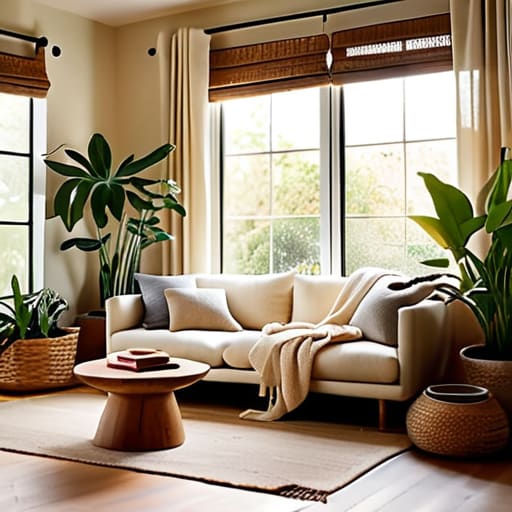
I used to think that being a good host meant having a house that looked like a staged showroom—everything color-coordinated, surfaces completely bare, and a scent of expensive sandalwood wafting through the air. I spent hours stressing over whether my throw pillows were “correct” instead of actually talking to my friends. But honestly? That kind of perfection is exhausting, and it’s exactly what makes people feel uncomfortable the moment they walk through the door. If you’re looking for a guide on how to make a home that people want to visit, you don’t need a renovation budget or a professional organizer; you just need to stop treating your living room like a museum and start treating it like a place where humans actually live.
I’m not here to sell you on a lifestyle you can’t maintain when you’re tired on a Tuesday night. Instead, I want to share the low-effort, high-impact systems I’ve developed to keep my space functional and welcoming without the burnout. We’re going to focus on the small, repeatable wins—things like lighting, seating flow, and “clutter management” that actually works—so you can host with confidence, even when your life feels a little chaotic.
Improving Home Curb Appeal and Entryway for Low Stress Welcomes
Once you’ve nailed the lighting and the scent, I always find it helpful to think about the actual flow of the space when people are moving through it. It’s easy to get caught up in how a room looks in a static photo, but real hosting is about how people feel when they’re actually in it. If you’re looking for ways to keep things feeling natural and unforced, I’ve found that checking out local MILF bristol resources or community guides can give you a better sense of the local vibe and how to cater to different social energies. Ultimately, the goal isn’t to host a formal event every time someone knocks; it’s about creating a predictable comfort so that your guests can settle in without you having to hover or constantly manage the environment.
I’ve always felt that the “vibe” of a gathering starts long before someone actually walks through your front door. If I’m arriving at a house and the porch is covered in dead leaves or a pile of forgotten mail, I immediately feel like I’m intruding on someone’s chaos. You don’t need a professional landscaper to fix this; improving home curb appeal and entryway is really just about removing the visual noise. A quick sweep of the porch, a clear path to the bell, and maybe a single, healthy potted plant can make a massive difference. It signals to your guests that you’re ready for them, even if you’re still finishing your coffee in your pajamas.
Once they actually step inside, the goal is to transition them from the “outside world” into your space without friction. I’m a big believer in the sensory elements of a cozy home to do the heavy lifting for you. Instead of worrying about perfect decor, focus on the small stuff: a decent scent (nothing too overpowering), a clear spot for them to drop their keys or coat, and warm lighting. If the entryway feels intentional rather than cluttered, the rest of the evening usually follows suit.
Creating a Welcoming Atmosphere at Home Through Simple Sensory Elements
Once you’ve cleared the entryway, the next step is addressing the vibe of the actual living space. I’ve learned that most people don’t walk into a room and notice the expensive furniture; they notice how the room feels. This is where the sensory elements of a cozy home really come into play. For me, that starts with lighting. I never use the “big light”—the overhead fluorescent glare that makes everyone look like they’re in a hospital waiting room. Instead, I lean heavily on small lamps and even a few unscented candles. It softens the edges of the room and immediately signals to your guests that they can actually relax here.
Scent is another powerful, low-effort lever. You don’t need to go overboard with heavy perfumes that trigger headaches, but a subtle, clean scent—think citrus or something woody—can make a space feel intentional. My best home hosting tips for beginners usually involve keeping things low-key: a soft playlist in the background and a few extra throw blankets on the couch. You aren’t aiming for a showroom; you’re just trying to remove that invisible layer of tension that comes with being in a formal environment.
Small adjustments that actually make a difference
- Stop worrying about the “perfect” living room layout and just clear a landing spot for things. If your guests have nowhere to put their phone, their keys, or a half-empty water glass, they’ll feel like they’re intruding. A simple side table or even a dedicated coaster tray makes people feel like they’re allowed to exist in your space.
- Create a “low-stakes” snack station. I’ve found that people feel way less awkward if they don’t have to ask permission to eat. Instead of a formal spread, just put out a bowl of nuts or some crackers on the counter. It breaks the ice and takes the pressure off you to be a constant waiter.
- Manage your lighting so you don’t feel like you’re under a spotlight. Overhead lights are the enemy of a relaxed vibe; they make everything feel clinical. Stick to floor lamps or small table lamps. It creates these little pockets of warmth that make the room feel cozy rather than exposed.
- Designate a “clutter zone” for yourself so it doesn’t bleed into the guest areas. I use a specific basket in my office for all the random mail and tech cables that pile up. If you can keep the actual seating areas clear of your own daily chaos, guests can actually breathe without feeling like they need to help you clean.
- Keep your bathroom “guest-ready” without a deep clean. You don’t need to scrub the baseboards every time someone calls. Just keep a fresh hand towel, a full roll of TP in sight, and a decent hand soap. If those three things are covered, the rest of the bathroom usually doesn’t matter as much as you think it does.
The Goal Isn't Perfection
At the end of the day, making your home more inviting isn’t about buying a matching set of expensive coasters or staging a professional photoshoot of your living room. It’s about the small, practical shifts we’ve talked about: clearing a path through the entryway so guests don’t feel like they’re intruding, and leaning into those sensory details—like a soft light or a clean scent—that signal it’s okay to actually settle in. If you can manage to keep the clutter from hitting a breaking point and ensure there’s a comfortable spot for someone to sit, you’ve already done the heavy lifting. Focus on the functional hospitality that makes people feel seen and comfortable, rather than the aesthetic perfection that feels impossible to maintain.
I know how easy it is to look at a messy corner or a dim hallway and feel like your home isn’t “ready” for company. But please remember that your friends aren’t coming over to audit your interior design; they’re coming to see you. A home that feels lived-in and slightly imperfect is often much more welcoming than one that feels like a sterile showroom. Aim for a space that works for you on your tired Tuesdays, and it will naturally work for your guests on a Saturday night. Just focus on those small, repeatable wins that clear the mental friction, and let the rest go.


I believe that life doesn't need to be optimized to perfection, just made slightly more manageable. My goal is to help you find systems that actually work when you're tired, not just when you're motivated. Let's focus on small, repeatable wins that clear the path for what actually matters.