Set Up a Drop Zone to Stop Losing Your Keys and Essentials
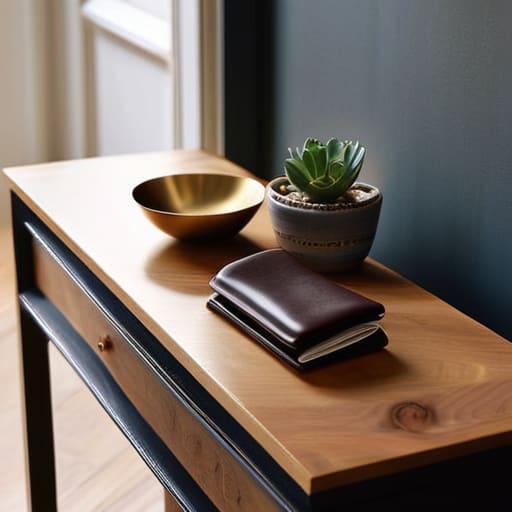
I’m going to say something that might annoy the Pinterest crowd: you do not need a custom-built, floor-to-ceiling mudroom console to master home entry organization. I spent years thinking I needed a high-end aesthetic to feel “together,” only to realize that a beautiful entryway is useless if it’s too complicated to actually use. There is nothing more draining than coming home after a long day of operations meetings, only to spend ten minutes digging through a pile of mail and stray shoes just to find your keys. We don’t need more expensive decor; we need systems that don’t require a PhD to maintain.
In this guide, I’m skipping the aspirational fluff and focusing on what actually works when you’re exhausted and just want to sit down. I’ll show you how to set up a few low-friction zones that catch the clutter before it hits your living room. My goal isn’t to help you build a showroom, but to help you create a functional transition space that makes your life feel slightly more manageable. Let’s focus on small, repeatable wins that keep the chaos at the door.
Small Entryway Decluttering Tips That Actually Stick
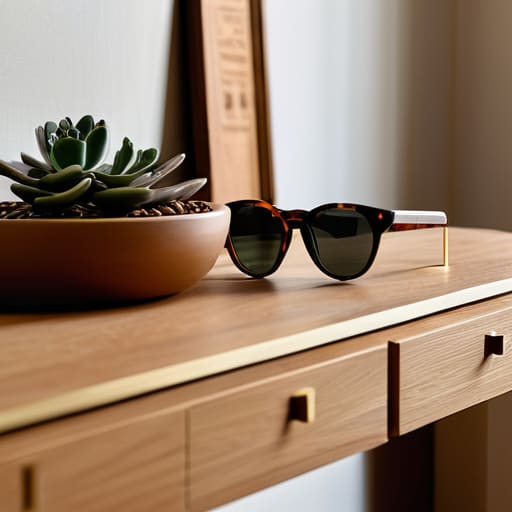
The biggest mistake I made early on was trying to implement a massive foyer organization system that required constant upkeep. If a system demands you spend twenty minutes every Sunday resetting it, it’s going to fail by Tuesday. Instead, I focus on low-friction zones. Start with one single, dedicated spot for the things that cause the most chaos—usually keys, sunglasses, and wallets. If you don’t have a dedicated tray or a small bowl, grab one from a kitchen drawer. The goal isn’t to make it look like a showroom; it’s to stop the “where are my keys?” panic when you’re already five minutes late.
When it comes to organizing mail and small items, the rule is simple: don’t let it touch the floor. Even in a tiny space, a small wall-mounted mail sorter or a single basket can prevent that dreaded pile of paper from migrating into your living room. You don’t need expensive mudroom storage solutions to make this work; you just need a boundary. If it doesn’t have a home, it doesn’t belong in the entryway.
Foyer Organization Systems for When Youre Exhausted
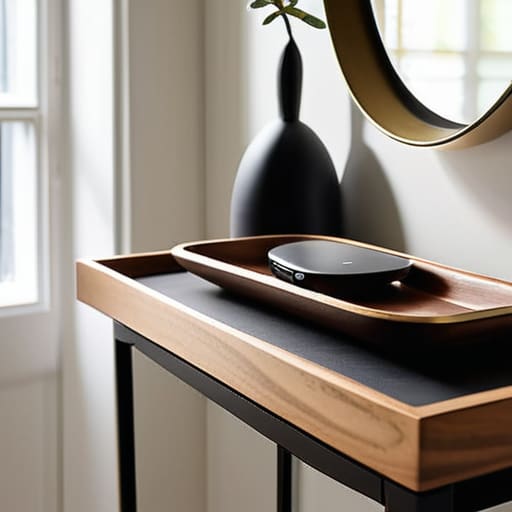
When you walk through the door after a ten-hour day, the last thing you want to do is play a game of “where are my keys?” or dig through a pile of junk mail just to find the remote. This is where most of us fail: we try to build complex systems that require constant maintenance. Instead, I’ve learned to focus on foyer organization systems that require zero brainpower. If you have a tiny space, don’t go hunting for massive mudroom storage solutions that will just become another surface to clutter up. Instead, look for a single, dedicated landing strip—even if it’s just a small tray or a wall-mounted hook.
The goal isn’t to have a showroom; it’s to create a friction-less transition from “work mode” to “home mode.” I’m a big fan of low-effort entryway furniture ideas, like a slim console table or even just a sturdy bench with a basket underneath. Use that basket for the things that usually end up on the floor—shoes, umbrellas, or that random bag you grabbed on your way out. By giving these items a “home” that is easy to access, you stop the clutter from migrating into your living room.
Five Low-Maintenance Wins for Your Entryway
- The “One-Bowl” Rule. Stop trying to manage a multi-tiered decorative tray for your keys, wallet, and loose change. It just becomes a magnet for junk. Pick one sturdy, heavy bowl and put it in a single, predictable spot. If it doesn’t fit in the bowl, it doesn’t belong in the entryway.
- Command Hooks are your best friend. Forget the heavy-duty hardware installation that requires a weekend of DIY energy. Stick a few sturdy Command hooks near the door for your daily bag, your umbrella, or that one light jacket you always grab. If it’s hanging, it’s not on the floor.
- The “Landing Strip” for Mail. We all have that pile of unopened envelopes that migrates from the door to the kitchen table. Instead, designate one small basket or a single wall pocket specifically for mail. The goal isn’t to file everything away immediately; it’s just to keep the paper from spreading across your living space.
- Shoe Management (The Minimalist Version). Don’t buy a massive, complicated shoe rack that you’ll end up shoving things into haphazardly. Just get a small, low-profile tray or a single narrow bench. If you can’t fit your daily shoes on it, the rest need to go into a closet.
- A Dedicated “Outbox” Spot. Keep a small basket or a specific shelf near the door for things that need to leave the house—library books, returns, or things you need to drop off at the post office. When you’re heading out the door, you don’t have to hunt for them; you just grab them from the designated spot.
The Bare Minimum Approach to a Functional Entryway
Stop aiming for a “Pinterest-perfect” foyer and just focus on one designated spot for your keys and wallet so you aren’t hunting for them when you’re exhausted at 6 PM.
Choose systems that require zero brainpower; if a basket is too much work to maintain, switch to a simple tray or a hook that works even when you’re running on autopilot.
Build your entryway around your actual habits—not the person you wish you were—by placing storage exactly where your hands naturally drop things when you walk through the door.
Final Thoughts on Your Entryway
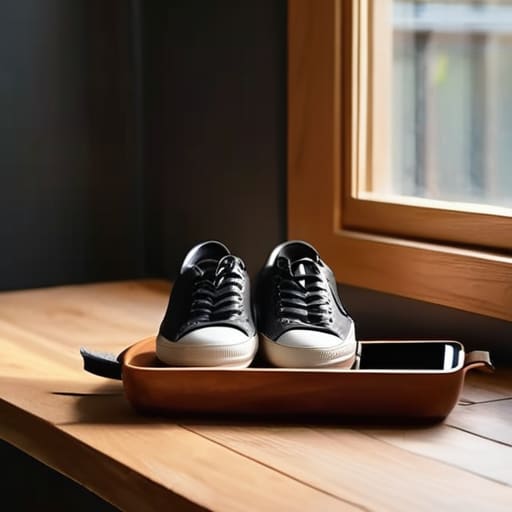
At the end of the day, organizing your entryway isn’t about achieving some high-end, magazine-ready aesthetic. It’s really just about creating a few low-friction zones that serve you when you walk through the door. Whether that means a dedicated hook for your heavy work bag, a small tray for your keys, or just a clear spot for your shoes, these small systems are designed to catch the chaos before it spills into the rest of your home. Remember, you don’t need to overhaul the entire foyer in one weekend; you just need to find one or two small wins that make your evening transition feel a little less frantic.
Please be kind to yourself if your system falls apart for a few days. Life happens, and sometimes a pile of mail or a stray pair of sneakers is going to end up on the floor regardless of how many bins you buy. The goal isn’t to maintain a museum-quality entrance; it’s to build a space that works for you, even on the days when you’re too tired to care about being perfect. Focus on the systems that feel sustainable, and let the rest go. You’re doing fine, and your home should be a place of ease, not another item on your never-ending to-do list.
Frequently Asked Questions
What do I do with all the random stuff like mail and school forms that just piles up on the table the second I walk in?
The “paper pile” is the ultimate friction point. My rule: if it doesn’t need immediate action, it shouldn’t live on the table. I set up a simple two-tier tray system right by the door. One tray is for “Action Required” (those school forms or bills) and the other is for “To File/Shred.” If you can’t commit to filing, just get the paper off the flat surface and into a vertical bin. Out of sight, out of mind.
I have a tiny entryway with zero storage space; how can I organize it without it looking cluttered and cramped?
When you’re working with zero square footage, stop trying to find more floor space and start using your walls. I’m a huge fan of floating shelves or a slim wall-mounted organizer—something that keeps your keys and mail off the surface but still feels intentional. If you can, go vertical with some simple hooks. It keeps the floor clear, which is the biggest trick to making a cramped space feel less claustrophobic.
How often should I actually be resetting this space so it doesn't just fall back into chaos after a week?
Don’t try to do a massive “reset” every Sunday; that’s how systems die. Instead, aim for a daily two-minute sweep before you head to bed or right when you walk in. If the floor is clear and the keys are in their spot, you’ve won. Once a week, do a slightly deeper check—maybe clear out the junk mail or straighten the shoe pile—but keep it low-stakes. Consistency beats intensity every time.


I believe that life doesn't need to be optimized to perfection, just made slightly more manageable. My goal is to help you find systems that actually work when you're tired, not just when you're motivated. Let's focus on small, repeatable wins that clear the path for what actually matters.