How to Keep Going When Your Motivation Hits Zero

I was sitting at my desk last Tuesday, staring at a half-finished spreadsheet and a lukewarm cup of coffee, feeling that familiar, heavy resistance to just doing the thing. I realized then that most of the advice out there on how to stay motivated is absolute garbage. It’s always about “finding your why” or “crushing your morning routine,” as if a $30 candle and a sunrise yoga session are going to fix a fundamental lack of energy. We don’t need more high-octane inspiration; we need to stop pretending that feeling inspired is a prerequisite for getting work done.
I’m not here to sell you on a lifestyle overhaul or a productivity hack that requires three hours of prep work. Instead, I want to share the low-friction systems I actually use when my brain feels like mush and my willpower is non-existent. We’re going to focus on small, repeatable wins—the kind of realistic tactics that work even when you’re exhausted and just want to close your laptop. This isn’t about perfection; it’s about making life slightly more manageable so you can actually move forward.
The Psychology of Motivation When Youre Completely Drained

When you’re running on empty, the traditional advice about “crushing it” feels like a personal insult. The problem is that we often treat motivation like a battery that just needs a quick recharge, but the psychology of motivation is actually a lot messier than that. When you’re truly drained, your brain enters a survival mode where even small tasks feel like climbing a mountain. This is usually where we fail because we try to force extrinsic motivation—like the fear of a deadline or the desire for a reward—to do the heavy lifting. But when your cognitive resources are tapped out, those external pressures just lead to more burnout and paralysis.
Instead of fighting your brain, I’ve learned to stop looking for a massive surge of energy and start looking at why the friction exists. Often, what we label as laziness is actually just an overwhelmed nervous system. If you’re struggling with overcoming procrastination techniques that feel too complex, it’s likely because your brain is trying to protect you from more stress. The trick isn’t to find more willpower; it’s to lower the barrier to entry so much that doing the thing requires almost zero mental effort.
Moving Beyond Extrinsic vs Intrinsic Motivation Battles

We spend a lot of time arguing about intrinsic vs extrinsic motivation, as if there’s some magic switch we can flip to make ourselves care about a spreadsheet or a workout. We tell ourselves we need to find “passion” to get things done, but let’s be real: sometimes you’re just doing a task because it’s on the list and it needs to happen. I’ve spent years trying to force myself to feel “inspired” before starting work, only to realize that waiting for a feeling is a losing game.
Instead of fighting that internal tug-of-war, I’ve learned to focus on building low-friction systems. If you rely solely on the dopamine hit of a reward (extrinsic) or the glow of personal fulfillment (intrinsic), you’re going to crash the moment your energy dips. The trick to maintaining long term drive isn’t about finding a deeper meaning in every single task; it’s about creating tiny, predictable loops. When you stop treating motivation like a mood and start treating it like a mechanical process, you stop wasting energy on the struggle and start actually finishing things.
Five Low-Energy Ways to Keep the Momentum Going
- Stop aiming for the “big win” and just aim for the “tiny win.” If your goal is to clean the whole kitchen but you’re running on empty, just wash three forks. Seriously. It sounds silly, but checking one tiny thing off my physical planner gives me a hit of dopamine that actually makes the next task feel less heavy.
- Use the “Five-Minute Rule” to trick your brain. Tell yourself you’ll only work on that dreaded project for five minutes, and after that, you have full permission to quit. Usually, the hardest part is just breaking the seal of procrastination; once I’m actually in it, the friction disappears.
- Build a “low-power mode” routine. Some days I have the energy to crush my to-do list, but some days I don’t. On those days, I have a pre-set list of “maintenance tasks”—the absolute bare minimums I need to do to keep my life from falling apart. It prevents the guilt spiral that happens when you try to do too much and end up doing nothing.
- Change your sensory environment to reset your focus. If I’m staring at my screen and feeling totally stuck, I’ll switch to a different playlist, grab a fresh cup of tea, or even just move to a different chair. Sometimes a small shift in what you’re hearing or smelling is enough to break the mental fog.
- Forgive yourself for the unproductive days. This is the big one. If you spend the afternoon staring at a wall because you’re burnt out, don’t spend the evening beating yourself up about it. That just drains the battery even further. Accept that today was a rest day, and try again tomorrow with a clean slate.
Small Wins to Keep You Moving
Stop waiting for a massive burst of inspiration; instead, pick one tiny, low-effort task you can finish even on your worst day just to keep the momentum from hitting zero.
Ditch the guilt of not being “on” all the time and focus on building systems that work for your tired self, not just your most caffeinated self.
Shift your focus from hitting huge milestones to simply maintaining your baseline, because keeping the pilot light lit is more important than a bonfire you can’t sustain.
Finding Your Rhythm
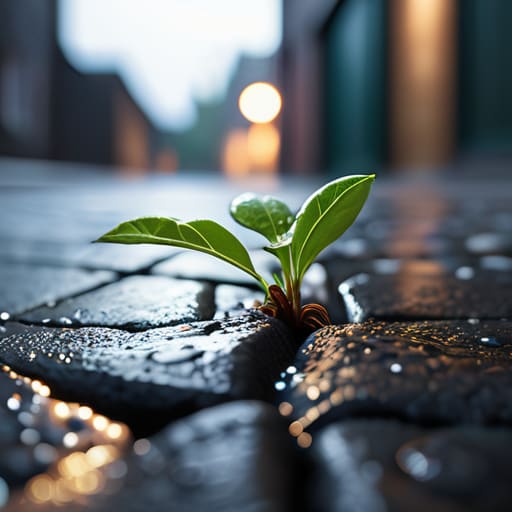
At the end of the day, staying motivated isn’t about forcing yourself into a state of constant, high-octane productivity. We’ve talked about why your brain shuts down when you’re drained and why the fight between internal and external rewards is usually a losing battle. The real secret is moving away from those rigid, “all-or-nothing” mentalities that leave you feeling like a failure the moment you miss a deadline. Instead, focus on building systems that survive your worst days—the tiny, low-friction habits that keep the momentum barely alive even when your energy is at zero. It’s about recognizing that consistency beats intensity every single time.
If you’re feeling stuck right now, please don’t try to overhaul your entire life by tomorrow morning. That’s just a recipe for burnout. Just pick one small, manageable thing you can do in the next ten minutes—even if it’s just clearing your desk or writing one single sentence in your planner. We aren’t aiming for a perfect, optimized existence; we’re just trying to make things a little more manageable so we can breathe again. You don’t need to conquer the world today; you just need to keep the path clear for when you actually feel like moving.
Frequently Asked Questions
How do I tell the difference between actual burnout and just having a low-motivation day?
Honestly, I used to mistake the two all the time. Here’s how I tell them apart: A low-motivation day is usually situational. You’re tired, but a good night’s sleep or a walk outside actually makes you feel a bit more human. Burnout is different; it’s a systemic crash. If you feel a sense of dread or complete apathy even after resting, or if things you usually love suddenly feel like chores, that’s burnout.
What do I do when my "small wins" still feel like too much effort to actually start?
When even a “small win” feels like climbing Everest, stop trying to do the task and just touch the tools. If you can’t wash one dish, just stand in the kitchen for sixty seconds. If you can’t write a paragraph, just open the document. We’re trying to lower the barrier to entry until it’s practically zero. Don’t aim for progress; just aim for contact. Once the friction of starting is gone, the rest usually follows.
Is it possible to stay productive without relying on that constant, jittery feeling of being "inspired"?
Honestly? Yes. In fact, I’ve learned to stop waiting for it. That “jittery” inspiration is a terrible foundation for anything long-term—it’s too volatile. I rely on low-friction systems instead. I don’t wait to feel like doing the dishes or clearing my inbox; I just follow a tiny, pre-set routine. If you can build a workflow that works when you’re feeling completely uninspired, you’ve actually won. Systems beat sparks every single time.


I believe that life doesn't need to be optimized to perfection, just made slightly more manageable. My goal is to help you find systems that actually work when you're tired, not just when you're motivated. Let's focus on small, repeatable wins that clear the path for what actually matters.