How to Get a High-end Look on a Tight Decorating Budget
I used to think that making my apartment feel “adult” meant dropping a massive paycheck on a mid-century modern sofa or a designer rug. But between managing a remote team and trying to keep my indoor jungle alive, I quickly realized that my bank account—and my energy levels—just weren’t built for constant, expensive renovations. The truth is, the most overwhelming part of living in a space that feels “off” isn’t the lack of high-end furniture; it’s the constant mental friction of a room that doesn’t feel like yours. I’ve spent way too many evenings staring at a cluttered corner, wishing I could fix it without needing a second mortgage.
That’s why I’ve spent the last few months obsessing over budget decorating ideas that actually stick. I’m not talking about those Pinterest-perfect DIY projects that take ten hours and leave you with a mess; I’m talking about small, low-effort shifts that yield real results. In this post, I’m sharing five specific ways to refresh your space that focus on maximum impact with minimum chaos. These are the little wins that will help your home feel a lot more intentional, even on the days when you’re too tired to do much more than sit on the couch.
The Power of Lighting Layers
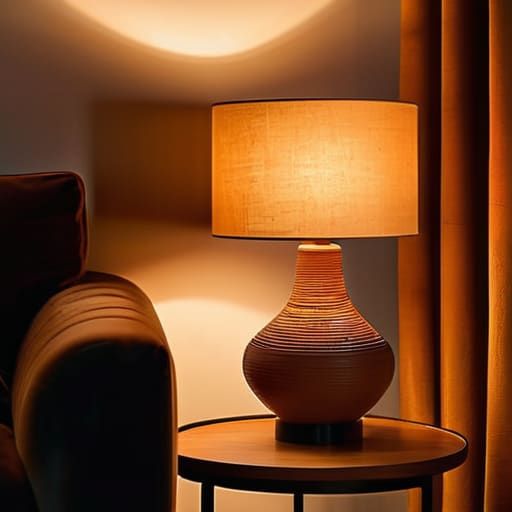
One of the biggest mistakes I see is relying entirely on that single, harsh overhead light that makes every room feel like a sterile doctor’s office. If you want to change the vibe of a room without spending a fortune, stop looking at the ceiling and start looking at your surfaces. Adding a small, warm-toned lamp to a side table or a cheap LED strip behind a monitor can completely soften the edges of your space.
Curate Your Greenery
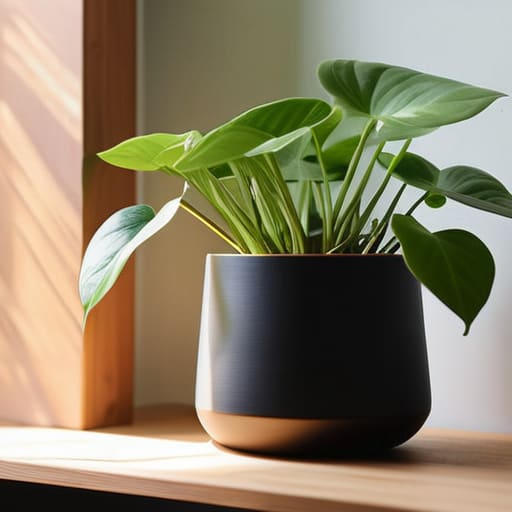
I know the “plant parent” lifestyle can get expensive quickly, but you don’t need a literal jungle to make a room feel alive. A single, healthy pothos trailing off a bookshelf does more for a room’s energy than a dozen cheap, plastic decorations. Plants add a layer of organic texture that helps break up the hard lines of furniture and tech gear, which I find essential for a calm workspace.
The "One In, One Out" Edit
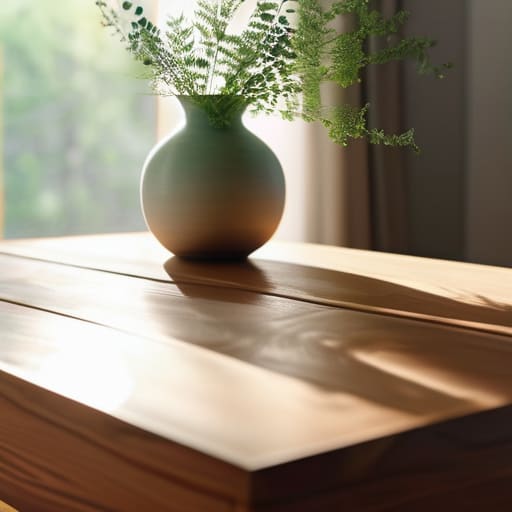
Decorating isn’t always about adding stuff; sometimes, it’s about the strategic removal of clutter. When my desk or coffee table starts looking like a junk drawer, I don’t go out and buy a new organizer—I just do a quick sweep. Clearing off the surfaces allows your actual belongings to breathe, making the items you actually love stand out more prominently.
Textile Swaps for Instant Comfort
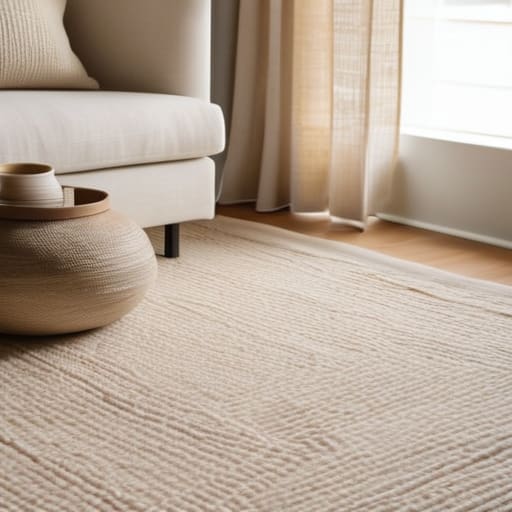
If your living room feels a bit cold or uninspired, the culprit is usually a lack of texture. You don’t need a new sofa; you just need a better throw blanket or a couple of new pillow covers. I tend to look for fabrics that feel substantial—think chunky knits or linen—rather than anything too shiny or synthetic. It’s the fastest way to make a space feel lived-in rather than just staged.
Command Your Walls
Empty walls can make a room feel unfinished, but I’ve learned the hard way that expensive framed art is a quick way to blow a budget. Instead, I look for ways to display things I already own or find high-quality prints online that I can print myself. Even a simple collection of postcards or a few interesting fabric scraps pinned up can create a personal gallery that actually reflects who you are.
The Bottom Line
Don’t aim for a Pinterest-perfect showroom; aim for a space that feels a little less chaotic and a lot more like you.
Focus on small, high-impact changes that you can actually finish in one afternoon, even if you’re running on low energy.
Use your budget on things that solve friction, like better lighting or organization, rather than just buying more “stuff” to fill gaps.
Small Changes, Big Impact
At the end of the day, decorating your space doesn’t require a massive bank loan or a week of intense labor. Whether you’re just swapping out some old throw pillows, rearranging the furniture you already own, or finally adding a few more plants to your windowsill, these small shifts add up. The goal isn’t to create a showroom-perfect apartment that looks good in a magazine; it’s about finding those low-effort tweaks that make your home feel like a sanctuary rather than just a place where you store your stuff. Focus on the things that touch your daily life most often, and don’t worry about doing everything at once.
If you’re feeling overwhelmed by the sheer amount of “stuff” out there, just remember that you don’t have to tackle this all in one weekend. Start with one corner, one shelf, or even just one lighting change. The most important thing is that your space works for you, not the other way around. Real life is messy and exhausting, so let your home be the place where you can finally breathe a little easier. You’ve got this—one small, manageable win at a time.
Frequently Asked Questions
How do I make these cheap changes look intentional instead of just looking like I'm trying to hide clutter?
The trick is grouping. When things are scattered, it looks like clutter; when they’re intentional, it looks like a “vignette.” Use a tray or a stack of books to corral your small items. Even if it’s just a candle and a remote, putting them on a dedicated surface makes it look like a choice rather than a mess. It’s about creating boundaries so your eyes can actually rest.
What’s the best way to prioritize which room to tackle first if I only have a tiny bit of extra cash right now?
Don’t try to pick the “prettiest” room; pick the one that’s currently draining your battery. I always look at where I spend the most time feeling stressed. If your desk is a graveyard of coffee mugs and tangled cords, start there. If your bedroom feels like a cluttered storage unit, tackle that. Fix the space where you experience the most friction first. A small win in your most-used area yields the biggest mental payoff.
Are there specific items I should avoid buying second-hand to make sure I'm not just bringing more junk into my space?
Honestly, I’ve learned this the hard way: if it’s hard to clean or impossible to fix, leave it at the thrift store. I stay away from soft goods like old mattresses, upholstered sofas, or even cheap pillows. You can try to steam them, but you never truly know what’s living in those fibers. I also skip anything electronic or heavy-duty kitchen appliances unless I can test them first. If it feels like “clutter-in-waiting,” it probably is.


I believe that life doesn't need to be optimized to perfection, just made slightly more manageable. My goal is to help you find systems that actually work when you're tired, not just when you're motivated. Let's focus on small, repeatable wins that clear the path for what actually matters.