Expert Advice for Keeping Your Indoor Plants Healthy
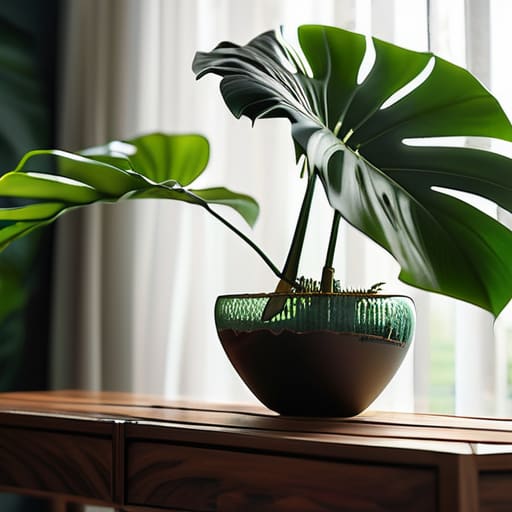
I used to think that if I didn’t follow a rigid, scientific schedule involving moisture meters and specialized grow lights, I was destined to be a plant killer. I’d spend way too much money on “designer” soil and expensive ceramic pots, only to watch my new leafy roommates slowly wither away because I was trying too hard to follow some unrealistic standard of perfection. The truth is, most of the advice you find online about how to care for houseplants is designed for people with nothing but time on their hands—not for those of us trying to manage a career and a household at the same time.
I’m not here to teach you how to become a professional botanist or to turn your apartment into a literal jungle. Instead, I want to share the low-maintenance systems I’ve actually used to keep my greenery thriving without it becoming another overwhelming chore on my to-do list. We’re going to focus on the small, repeatable habits that work even when you’re exhausted, so you can enjoy some life-affirming green without the unnecessary stress.
Decoding Indoor Plant Light Requirements Without the Stress
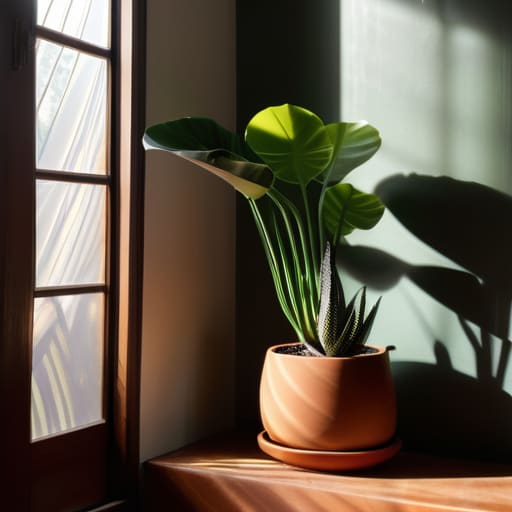
The biggest mistake I see people make is assuming “bright light” means shoving a plant directly into a sunbeam. In reality, understanding indoor plant light requirements is more about mapping your room’s vibes than following a textbook. I like to think of it in three simple buckets: direct sun (the windowsill scorcher), bright indirect light (the sweet spot near a window but out of the rays), and low light (the corners that feel a bit moody). If you aren’t sure, grab your phone and take a photo of the spot at noon. If it looks dark and grainy, that’s a low-light zone; if it’s crisp and bright, you’re golden.
Don’t get bogged down in the science of lumens or PAR levels. Most of us are just trying to keep a Pothos alive while working a nine-to-five. My rule of thumb? Observe the leaves. If they’re turning yellow or stretching toward the glass like they’re reaching for a lifeline, they’re hungry for more light. If they look crispy or bleached, they’re getting too much. It’s all about trial and error, not perfection.
Finding the Best Soil for Houseplants When Youre Busy
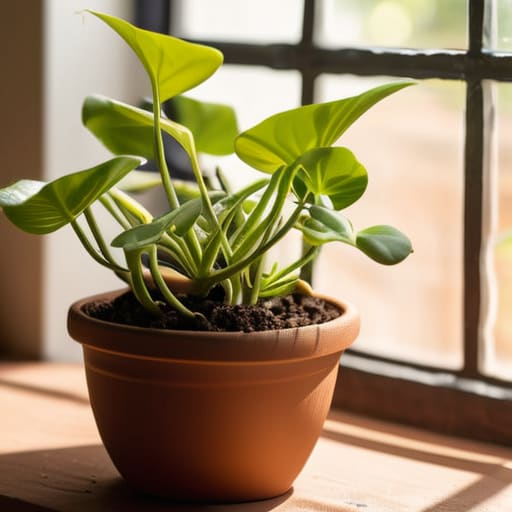
Look, I used to think all dirt was created equal until I realized I was essentially suffocating my pothos in heavy, compacted mud. If you’re like me and don’t want to spend your Saturday afternoon playing chemist, the trick is to stop overthinking it and just buy a decent, pre-mixed potting soil. You don’t need a laboratory setup; you just need something that drains well. If you’re working with succulents, grab a specific cactus mix. For everything else, a standard high-quality indoor potting mix is usually the best soil for houseplants because it’s designed to hold just enough moisture without turning into a swamp.
The real secret to low-maintenance success is adding a handful of perlite to whatever bag you buy. It looks like little white bits of Styrofoam, but it’s actually what keeps the soil airy. This small addition prevents the root rot that usually happens when we get too busy to notice a plant is sitting in a puddle. Think of it as a safety net for your busy schedule—it gives you a little more wiggle room if you miss a watering or two.
Low-Maintenance Habits for the Realistic Plant Parent
- Stop following a strict calendar. Instead of watering every Monday because a guide told you to, just poke your finger an inch into the soil. If it’s dry, water it; if it’s damp, walk away. It’s much harder to kill a plant by overwatering than by following a schedule that doesn’t account for your apartment’s humidity.
- Get a few cheap moisture meters if you’re prone to “anxious watering.” Sometimes I feel like I’m hovering too much, and having a simple tool to tell me the soil is actually fine helps me step back and stop micromanaging.
- Group your plants together. It sounds simple, but clustering them creates a tiny microclimate that holds moisture in the air. It’s a little way to let the plants help each other out so you don’t have to constantly mist them.
- Don’t aim for a jungle overnight. If you’re feeling overwhelmed, start with one or two “unkillable” options like a Pothos or a Snake Plant. There is no prize for having a complicated collection that requires a PhD to maintain.
- Forgive yourself for the casualties. I’ve definitely lost a few succulents to my own neglect during busy work weeks. It’s not a failure; it’s just data. Toss the dead one, clean the pot, and try something slightly hardier next time.
The Low-Maintenance Cheat Sheet
Don’t aim for botanical perfection; just pick one or two “hard to kill” plants like Pothos or Snake Plants to build your confidence first.
Instead of following a rigid calendar, use the finger test—if the top inch of soil feels dry, it’s time to water; if it’s damp, leave it alone.
Observe your plants’ “body language” rather than memorizing complex charts—droopy leaves or pale colors are usually telling you exactly what they need.
Keeping It Real with Your Greenery
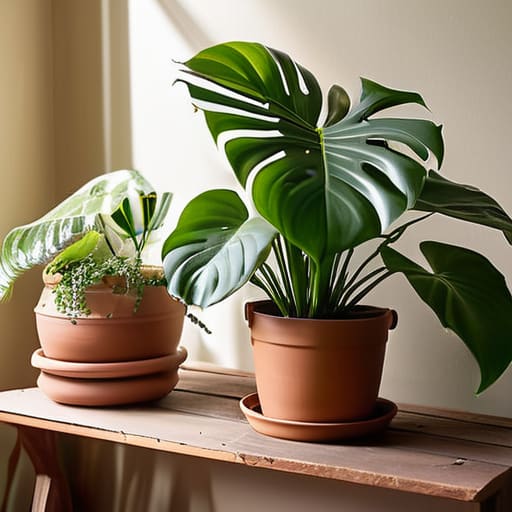
At the end of the day, plant care shouldn’t feel like a second job or another item on a daunting to-do list. We’ve covered the basics: finding a light spot that won’t leave you guessing, picking a soil that does most of the heavy lifting for you, and setting a rhythm that fits your actual life. You don’t need a degree in botany or a specialized greenhouse setup to see results. Just focus on the foundational essentials—light, soil, and a bit of observation—and let the rest fall into place. If you get the basics right, you’ve already won more than half the battle.
Please remember that a yellow leaf or a bit of drooping isn’t a personal failure; it’s just your plant communicating. I’ve definitely had my fair share of “plant casualties” during particularly hectic work weeks, and I promise, the world didn’t end. The goal isn’t to maintain a sterile, perfect jungle, but to create a small pocket of life that makes your space feel more like home. So, start small, be kind to yourself, and just enjoy the process of watching something grow. Even if it’s just one resilient pothos, that little bit of green is a win worth celebrating.
Frequently Asked Questions
How do I know if I'm actually overwatering or if my plant is just being dramatic?
Honestly, I’ve been there. I once nearly killed a pothos because I thought it looked “sad.” Here’s the trick: stop looking at the leaves and start looking at the soil. Stick your finger about two inches deep. If it feels damp or muddy, back off. If it’s bone dry, it’s thirsty. If the leaves are yellow and mushy, it’s overwatered; if they’re crispy and drooping, it needs a drink. Trust the soil, not the drama.
Is it worth buying fancy pots, or can I just stick with the plastic ones they come in?
Honestly? Stick to the plastic ones for now. I used to think I needed a curated collection of ceramic pots to feel like a “real” plant parent, but it’s mostly just extra clutter and a way to drain your bank account. Most nursery pots are actually better for the plant’s health anyway. If you want the aesthetic, just nestle the plastic pot inside a cute container you already own. It’s easier, cheaper, and much less stressful.
What do I do when a plant starts dying despite me following all the basic rules?
First, take a breath and stop overcompensating. When a plant starts flagging, our instinct is to drown it in water or fertilizer, which usually just accelerates the rot. Instead, do a quick “audit”: check the soil moisture with your finger and look under the leaves for pests. Most of the time, it’s a simple mismatch between your environment and the plant’s needs. Don’t panic; just pivot slowly.


I believe that life doesn't need to be optimized to perfection, just made slightly more manageable. My goal is to help you find systems that actually work when you're tired, not just when you're motivated. Let's focus on small, repeatable wins that clear the path for what actually matters.