A Stress-free Approach to Decluttering Your Entire Home
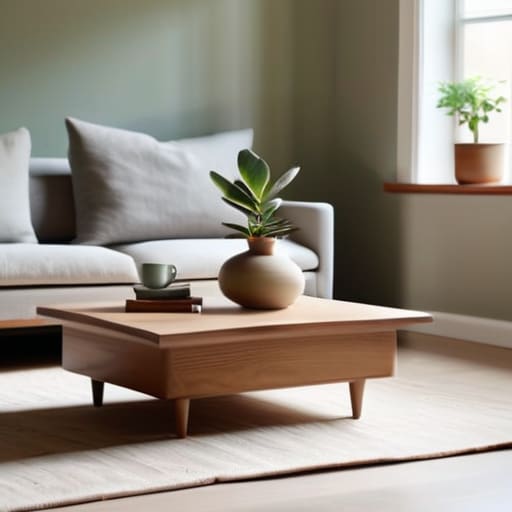
I was staring at a pile of “miscellaneous” mail and three half-empty succulents on my coffee table last Tuesday, feeling that familiar, heavy tightness in my chest. We’ve all been told that learning how to declutter your home requires a weekend of intense labor, a fleet of aesthetic storage bins, and the kind of relentless discipline usually reserved for marathon runners. But honestly? That advice is exhausting. Most of those “minimalist lifestyle” gurus seem to forget that real life happens in the messy middle, between a chaotic workday and the actual energy required to maintain a perfect, Pinterest-worthy living room.
I’m not here to sell you on a total lifestyle overhaul or a mountain of expensive acrylic organizers you’ll stop using in a month. Instead, I want to share the small, low-friction systems I’ve built to keep my own space from swallowing me whole. We’re going to focus on manageable wins—the kind of practical, no-nonsense steps that actually work when you’re running on five hours of sleep and a lukewarm coffee. Let’s find a way to clear the physical noise so you can actually breathe in your own space again.
Understanding the Decluttering Mindset and Psychology

Before you even touch a single cardboard box, we need to talk about why we hold onto things in the first place. Most of us aren’t “hoarders”; we’re just people who struggle with the emotional weight of “what if.” What if I need this someday? What if I regret getting rid of this? When we dive into the decluttering mindset and psychology, it becomes clear that we aren’t just cleaning surfaces; we are negotiating with our own anxieties.
I used to think I needed a rigid, high-energy plan to succeed, but I realized that perfectionism is actually the enemy of progress. If you try to adopt complex minimalist living strategies overnight, you’ll likely burn out by Tuesday. Instead, I’ve learned to approach my space with a bit more grace. It’s not about achieving a sterile, museum-like existence; it’s about making sure your belongings serve your current life, not the person you were five years ago. We’re looking for small, repeatable wins that lower your stress levels rather than adding a new, exhausting chore to your to-do list.
A Simple Decluttering Checklist for Beginners
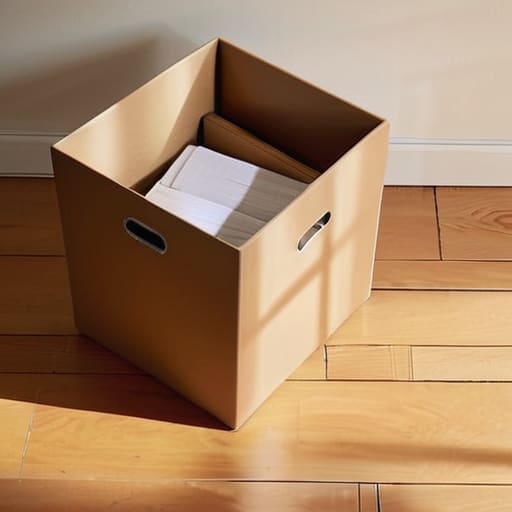
If you’re feeling paralyzed by the sheer volume of stuff in your apartment, don’t try to tackle the whole place at once. Instead, use this decluttering checklist for beginners to break the process into bite-sized, manageable chunks. Start with a single category—like your junk drawer or that one “everything” chair—rather than a whole room. Grab three boxes or bags: one for “keep,” one for “donate,” and one for “toss.” Having these physical boundaries helps prevent that mid-process slump where you end up sitting on the floor surrounded by piles of things you aren’t actually deciding on.
Once you’ve mastered the small stuff, you can move toward more structured organizing small spaces techniques. My personal rule is to never leave a room empty-handed; if I’m heading to the kitchen, I grab that stray coffee mug or the mail sitting on the entryway table. It’s not about a massive weekend overhaul; it’s about incremental progress that doesn’t require a massive burst of willpower. Just pick one small area, set a timer for fifteen minutes, and see what happens.
Five ways to actually make progress without burning out
- Use the “one-surface rule” when you’re feeling overwhelmed. Instead of looking at a whole room, pick one single surface—the coffee table, the kitchen island, or even just one shelf. Clear it, wipe it down, and stop there. It gives you a visual win without the mental exhaustion of a full-room overhaul.
- Stop trying to organize things you don’t even want. I used to spend hours buying cute bins for junk I should have just thrown away months ago. You can’t organize your way out of clutter; you can only get rid of it. Get the stuff out of the house first, then worry about where the “keepers” live.
- The “Maybe Box” is your best friend for decision fatigue. If you’re staring at an item and can’t decide if you actually need it or if you’re just sentimental, put it in a box. Tape it shut and put it in the closet. If you haven’t thought about those items in three months, you have your answer.
- Set a timer for fifteen minutes, not an hour. Telling yourself you have to declutter the entire guest room is a recipe for procrastination. Telling yourself you’re going to go hard for just fifteen minutes feels doable, even on a Tuesday night when you’re exhausted.
- Be ruthless with the “just in case” items. We all have that drawer full of old charging cables, manuals for appliances we no longer own, and half-used craft supplies. If you haven’t touched it in a year and it doesn’t cost less than twenty bucks to replace, let it go. Your future self will thank you for the extra breathing room.
The Bottom Line
Stop aiming for a Pinterest-perfect home and start aiming for a functional one; if a system is too complicated to maintain on a Tuesday night when you’re exhausted, it’s not a good system.
Focus on small, visible wins—like clearing one single junk drawer or a bedside table—to build the momentum you need to tackle the bigger stuff later.
Be kind to yourself about the “sentimental” stuff; decluttering isn’t about erasing your past, it’s about making sure your physical space doesn’t weigh down your present.
Finding Your Rhythm
If you’re feeling a little overwhelmed after reading through all of this, take a breath. We’ve covered everything from shifting your mindset to using a basic checklist, but the most important takeaway is that you don’t have to do it all at once. You don’t need to spend an entire weekend in trash bags to see progress. Whether it’s just clearing off your nightstand or tackling that one “junk drawer” that’s been mocking you for months, the goal is simply to reduce the friction in your daily routine. Remember, the systems we talked about are meant to serve you, not to become another chore on your to-do list that you feel guilty about skipping.
At the end of the day, your home should be a place where you can actually decompress, not a constant visual reminder of things you haven’t finished yet. If you only manage to clear one small corner this week, count that as a win. Decluttering isn’t about achieving some Pinterest-perfect aesthetic; it’s about making enough physical and mental space so you can focus on the things that actually bring you joy. Be patient with yourself, keep it small, and just focus on making your space a little more manageable, one tiny step at a time.
Frequently Asked Questions
What do I actually do with all the stuff I decide to get rid of?
This is where most people stall, and honestly, it’s where the “clutter creep” happens. If you leave those donation bags in your hallway for three weeks, they’re basically just new furniture.
How do I stop myself from just moving the clutter from one room to another?
That’s the “clutter shuffle,” and I’ve done it more times than I’d like to admit. The trick is to stop treating “tidying” as just moving things out of sight. If an item doesn’t have a designated home, it’s just a nomad waiting to migrate. Before you pick something up, ask: “Where does this actually live?” If the answer is “I don’t know,” it’s either trash, a donation, or it needs a permanent spot.
I have a tiny apartment; how can I declutter without feeling like I'm losing my only storage space?
The “out of sight, out of mind” trap is real in small apartments. When every square inch counts, decluttering feels like an eviction notice for your belongings. Instead of just tossing things, focus on “functional density.” If an item doesn’t serve a daily purpose or bring you genuine calm, it’s just taking up expensive real estate. Try digitizing paper clutter or using vertical space first; it clears the visual noise without shrinking your usable footprint.


I believe that life doesn't need to be optimized to perfection, just made slightly more manageable. My goal is to help you find systems that actually work when you're tired, not just when you're motivated. Let's focus on small, repeatable wins that clear the path for what actually matters.