A Beginner’s Guide to Landing Your Very First Freelance Client

I remember sitting at my kitchen table three years ago, surrounded by half-dead succulents and a mountain of unpaid invoices, wondering if I’d actually made a massive mistake. Everyone online makes freelancing look like this seamless, aesthetic lifestyle of sipping matcha while working from a beach, but the reality of freelancing for beginners is usually much messier. It’s more about fighting through the brain fog and trying to figure out how to bill for your time without feeling like a total fraud. I spent way too much energy trying to build a “perfect” brand before I even had my first paying client, and honestly, it was a complete waste of time.
I’m not here to sell you on a dream or a complicated ten-step masterclass that requires a subscription you can’t afford. Instead, I want to share the unfiltered, low-energy systems that actually helped me transition from corporate chaos to a sustainable solo career. We’re going to skip the fluff and focus on the small, repeatable wins—like setting up a simple billing workflow and finding your first client—that keep you from burning out in the first month. Let’s focus on making this actually manageable.
Building a Freelance Portfolio Without the Perfectionism Trap
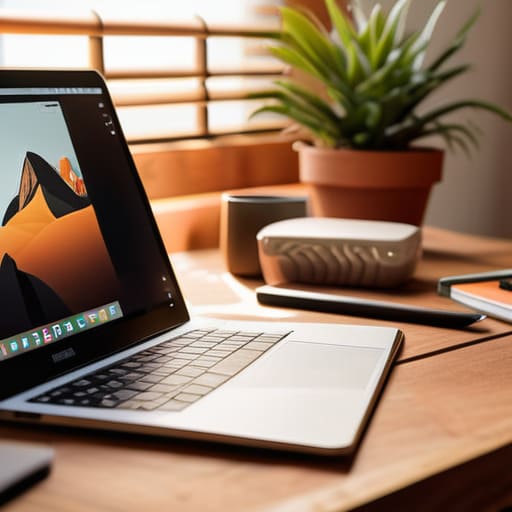
The biggest mistake I see people make is waiting until they feel like an “expert” before they actually show their work. If you wait for a polished, professional masterpiece, you’ll never actually launch. Instead, think of building a freelance portfolio as a living document. You don’t need a dozen high-paying client testimonials to start; you just need proof that you can do the job. If you’re struggling with the “no experience” paradox, create some “ghost projects.” Pick a brand you love, redesign their copy, or write a sample strategy report. It doesn’t have to be real-world work to demonstrate your remote work skills for beginners.
When you finally do put these pieces together, keep the presentation clean and functional. I’m a big fan of minimalism here—don’t get bogged down in complex website builders. A simple, well-organized PDF or a clean Notion page works perfectly fine. The goal isn’t to dazzle people with flashy graphics; it’s to show that you can solve a problem and deliver results. Focus on showing your process rather than just the final product. People want to see how you think, not just how pretty your slides look.
Picking Your Platform a Realistic Freelance Platform Comparison

Once you’ve got a few samples ready, you’ll realize that where you actually hang out online matters just as much as what you’re offering. Most people treat a freelance platform comparison like a math problem, looking for the highest fee or the most users, but I look at it through the lens of energy expenditure. Upwork and Fiverr are the heavy hitters; they’re great because the demand is there, but they can feel like a constant treadmill of bidding against hundreds of others. If you’re just starting out, these sites are decent for building a freelance portfolio because they provide a structured way to prove you can actually deliver on a deadline.
On the other hand, niche boards or even LinkedIn can feel a bit more “human,” though they require much more manual legwork. You won’t have a dashboard handing you jobs on a silver platter, so your freelance client acquisition strategy becomes more about networking and being visible. Personally, I tell people not to try and master every site at once. Pick one “big” marketplace to learn the ropes and one “quiet” method like direct outreach. It’s much easier to manage your sanity when you aren’t fighting ten different algorithms simultaneously.
Five Low-Friction Habits to Keep You From Spiraling
- Set a “minimum viable workday.” On days when your brain feels like mush, don’t try to grind for eight hours. Just commit to one hour of focused work or answering three emails. It keeps the momentum alive without the burnout.
- Separate your “work brain” from your “home brain” with a physical ritual. Since I work remotely, I can’t commute, so I close my laptop and put it in a drawer. It signals to my brain that the freelance chaos is officially over for the day.
- Don’t over-invest in expensive software early on. You don’t need a premium subscription to every project management tool on the market. Start with a simple spreadsheet or a basic notes app. If the tool adds more work than it saves, ditch it.
- Automate your boring stuff immediately. Whether it’s using a template for your initial client inquiries or setting up an automated invoicing tool, the less time you spend on repetitive admin, the more energy you have for the actual work that pays.
- Build a “Done” list alongside your To-Do list. Freelancing can feel like a bottomless pit of tasks where nothing ever feels finished. At the end of the day, write down what you actually accomplished. It’s a small way to prove to yourself that you’re actually making progress.
Three things to remember when you're starting out
Forget the polished, high-end portfolio for now; just show people you can actually do the work, even if it’s through small, unglamorous projects.
Don’t get paralyzed by choosing the “perfect” platform—pick one that feels intuitive and start moving, because you can always pivot later.
Build systems that work for your low-energy days, not just your high-motivation days, so you don’t crash the moment things get busy.
Finding Your Rhythm

At the end of the day, starting a freelance career isn’t about having a flawless website or a perfectly curated LinkedIn profile from day one. It’s about the small, practical steps we’ve discussed: putting together a functional portfolio that shows you can actually do the work, and choosing a platform that fits your current energy levels rather than the one that looks the most “professional” on paper. You don’t need to master every project management tool or have a five-year roadmap mapped out by Monday morning. Just focus on building a foundation that is sustainable enough to survive those weeks when your motivation inevitably dips and you just need to get through the day.
If you’re feeling a bit overwhelmed by the sheer scale of it all, my best advice is to just start small. You don’t need to overhaul your entire life to become a freelancer; you just need to find one tiny, repeatable way to offer your skills to the world. Perfectionism is the fastest way to stall out before you even begin, so give yourself permission to be a beginner. Aim for progress over polish, and remember that every successful freelancer started exactly where you are right now—feeling a little unsure, but willing to try. You’ve got this.
Frequently Asked Questions
How much should I actually be charging when I'm just starting out without a long track record?
Look, the “market rate” feels like a moving target when you’re starting from zero. Don’t try to guess a magic number. Instead, find three people doing exactly what you want to do and see what they charge. Set your baseline slightly lower to build momentum, but don’t race to the bottom. If you charge pennies, you’ll burn out before you even get started. Aim for a rate that covers your time and feels sustainable.
How do I balance a full-time job with finding my first few clients without completely crashing?
The “hustle harder” advice is a one-way ticket to burnout. Instead, treat your freelance search like a low-stakes side project, not a second career. I use a “micro-task” approach: instead of aiming for four-hour deep work sessions after a long day, I commit to just fifteen minutes of outreach or one small profile update. It keeps the momentum alive without draining your battery. Aim for consistency over intensity; it’s much easier to sustain.
What do I do if a client asks for something outside my skill set or if I realize I've made a mistake on a project?
If a client asks for something outside your wheelhouse, be honest. I’ve learned that pretending you can do it just to land the gig leads to massive, avoidable stress. Try: “That’s not my core specialty, but I can point you toward someone who excels at it.”


I believe that life doesn't need to be optimized to perfection, just made slightly more manageable. My goal is to help you find systems that actually work when you're tired, not just when you're motivated. Let's focus on small, repeatable wins that clear the path for what actually matters.